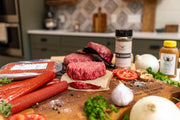
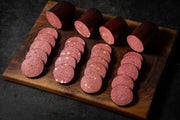
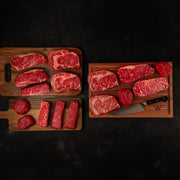

When you take your first bite of authentic wagyu beef, the experience transcends ordinary dining. The meat literally melts in your mouth, releasing an explosion of rich, buttery flavors that no other beef can match. But what exactly makes wagyu beef so special that it commands premium prices and has become synonymous with culinary excellence around the world?
The answer lies in a fascinating combination of centuries-old Japanese traditions, precise genetic breeding, and meticulous farming practices that create meat unlike anything else on Earth. From the rolling hills of Japan’s Shiga Prefecture to global high-end steakhouses, wagyu represents the peak of beef production—a perfect marriage of science, tradition, and gastronomic artistry. This beef is known for its exceptional marbling, tenderness, and unique flavor profile, earning it a prestigious reputation worldwide.
Introduction to Wagyu Cattle
Wagyu cattle are a remarkable breed of Japanese cattle celebrated for producing some of the highest quality beef in the world. The name “wagyu” simply means “Japanese cow,” but these animals are anything but ordinary. For centuries, wagyu cattle have been revered in Japan for their ability to yield beef with extraordinary marbling—a delicate web of fat that runs through the meat, creating a melt-in-your-mouth sensation that is unmatched by other beef. This marbling is not just visually stunning; it’s the secret behind the tender texture and rich, buttery flavor that have made wagyu beef a sought-after delicacy around the world.
The tradition of raising wagyu cattle dates back to the 2nd century AD, with generations of Japanese farmers perfecting breeding techniques to enhance the unique qualities of these cows. Over time, wagyu beef has become synonymous with luxury and quality, prized for its exceptional taste and texture.
Whether enjoyed in a high-end steakhouse or as part of a traditional Japanese meal, wagyu beef offers a culinary experience that stands apart from all other meat. The combination of careful breeding, meticulous care, and a deep respect for tradition ensures that every bite of wagyu delivers the signature flavor, tenderness, and quality that have made it famous across the globe.
The Essence of Wagyu Excellence
The term “wagyu” literally translates to “Japanese cow” (wa meaning Japanese, gyu meaning cow), but this simple definition barely scratches the surface of what makes these Japanese cattle extraordinary. Japan officially recognizes four breeds of Wagyu: Japanese Black (Kuroge), Japanese Brown (Akage), Japanese Shorthorn (Nihon Tankaku), and Japanese Polled (Mukaku). These four breeds have been meticulously developed over centuries and are considered the main Wagyu groups in Japan for branding and genetic purposes.

The Japanese Black breed dominates wagyu production, accounting for approximately 90% of all wagyu raised in Japan. As a Wagyu breed, it is distinguished by unique genetic and regional differences compared to other Wagyu breeds. This breed has been selectively bred to produce the most intense marbling, known as “shimofuri” or snowflake marbling, which creates the distinctive white fat veins threading through deep red muscle tissue.
What truly sets wagyu apart from all other beef is this exceptional marbling—the intramuscular fat that creates a visual masterpiece and delivers an unparalleled eating experience. While premium American beef might achieve marbling scores of 2-5 on the industry scale, BC40 grade wagyu regularly scores above 8, with some specimens reaching the maximum score of 12.
This fine marbling isn’t just about appearance. The intramuscular fat in wagyu beef has a significantly lower melting point than other beef—around 77-86°F compared to 104°F for conventional beef. This means the fat begins melting at body temperature, creating that signature melt-in-your-mouth texture that has made wagyu legendary among beef connoisseurs.
Historically, Wagyu cattle were selected for their physical endurance, which contributed to their ability to work in agriculture and influenced the development of their renowned marbling and meat quality. The flavor profile of wagyu beef is equally distinctive, offering a rich umami taste with subtle sweetness reminiscent of butter and nuts.
This unique taste comes from the specific composition of the beef fat, which contains higher levels of oleic acid and other compounds that enhance both flavor and aroma. The meat delivers an almost creamy texture that coats the palate, creating a sensory experience that justifies its premium pricing in the global luxury food market.
The Science Behind Exceptional Marbling
The secret to wagyu’s exceptional quality lies deep within the genetics of these remarkable Japanese wagyu cattle. The genetic makeup of Wagyu was influenced by breeds imported into Japan during the Meiji era and later periods, including European and other foreign cattle.
Over centuries of selective breeding, Japanese farmers have identified and enhanced specific genetic traits that promote extensive intramuscular fat deposition. Key genes in wagyu genetics control myostatin production—a protein that normally limits muscle growth. Wagyu cattle possess mutations in these genes that allow for increased muscle development while simultaneously encouraging fat storage within the muscle fibers themselves.
This genetic predisposition creates larger muscle fibers with more space for fat cell development. Unlike other beef cattle breeds and other breeds that contributed to the development of Wagyu, which tend to deposit fat primarily under the skin or around organs, wagyu genetics direct fat storage into the muscle tissue, creating the characteristic marbling pattern that makes each cut look like a work of art. Wagyu cattle, especially Japanese Black, have a distinct genetic background from Korean cattle, with different lineages and genetic markers that set them apart.
The composition of wagyu beef fat is as remarkable as its distribution. Wagyu contains 40-50% monounsaturated fats compared to about 30% in regular beef, giving it a healthier fat profile and contributing to its lower melting point. This high proportion of unsaturated fats, particularly oleic acid, not only affects the meat’s cooking properties but also creates the distinctive aroma compounds that develop during cooking.

The science behind marbling extends to how it affects cooking and flavor release. As wagyu cooks, the abundant intramuscular fat renders slowly and evenly, basting the meat from within. This internal basting process ensures exceptional juiciness and prevents the meat from drying out, even when cooked to medium rare or beyond—though wagyu is typically best enjoyed at medium rare to preserve its delicate texture.
Research has identified specific lactones in wagyu fat that create sweet, fruity aromas similar to peaches and coconuts when heated. These compounds, combined with the Maillard reaction occurring on the meat’s surface, produce the complex flavor profile that makes wagyu so distinctive. The fat quality in wagyu is so superior that it enhances rather than masks the beef’s natural flavors, creating a harmonious balance that exemplifies why this meat is considered the highest quality in the world.
Centuries-Old Breeding and Raising Traditions
The story of what makes wagyu beef so special begins with the Meiji Restoration in 1868, when Japan opened its borders after centuries of isolation. Prior to this period, cattle in Japan served primarily as draft animals for rice cultivation, and meat consumption was largely prohibited.
The Japanese government actively promoted beef consumption and began crossbreeding native Japanese cattle with imported European breeds, including Holstein, Brown Swiss, and Shorthorn cattle. During this era, the importation of live cattle played a significant role in introducing new genetics, which greatly influenced the development and improvement of Wagyu breeding.
This crossbreeding program was carefully managed to enhance meat quality while maintaining the unique characteristics of Japanese cattle. The Tajima strain, which forms the genetic foundation for today’s premium Kobe beef, emerged from this selective breeding process. Japanese breeders focused on genetic traits that promoted superior marbling rather than rapid growth or large size, a philosophy that continues to guide wagyu production today.
Modern wagyu farmers maintain these traditional selective breeding practices with scientific precision. Each breeding decision considers the animal’s genetic lineage, marbling potential, and overall conformation. The Japanese government maintains strict standards for wagyu certification, ensuring that only cattle with verified genetic backgrounds can be classified as authentic wagyu beef.

The raising process for wagyu cattle extends far beyond conventional beef cattle production. While typical beef cattle are raised for 15-18 months, wagyu cows require 28-36 months to develop their characteristic marbling. This extended raising period allows for gradual fat development and ensures the meat reaches its full potential. These traditional methods are specifically designed to optimize high-quality meat production, resulting in the renowned flavor and texture of wagyu beef.
Throughout this period, each animal receives individual attention and monitoring. Wagyu farmers typically maintain smaller herds to provide personalized care, tracking each cow’s health, development, and feeding response. The cattle are raised in low-stress environments with spacious accommodations, as stress can negatively impact marbling development and meat quality.
Specialized Diet and Nutrition
The feeding practices for wagyu cattle are as meticulous as their breeding. These beef cattle receive a carefully controlled high energy diet designed to promote gradual fat development and optimal marbling. The diet typically consists of high-quality rice straw, hay, wheat, corn, and barley, with feed composition adjusted based on the animal’s age and development stage.
Contrary to popular misconceptions, feeding practices don’t regularly include beer or sake. While some wagyu farmers may occasionally use small amounts of alcohol as an appetite stimulant for cattle experiencing feeding difficulties, this practice is rare and not a standard part of wagyu production. The focus remains on providing consistent, high-quality nutrition that supports the natural genetic predisposition for marbling.
The feeding schedule itself is precisely managed, with multiple smaller meals throughout the day rather than large single feedings. This approach aids digestion and helps maintain steady energy levels that support consistent fat development. The gradual transition from mother’s milk to solid feed is also carefully managed to avoid stress and ensure optimal growth patterns.
Climate control and environmental factors play crucial roles in the feeding program. Wagyu cattle are often housed in temperature-controlled environments that minimize stress and maintain optimal conditions for feed conversion. This attention to environmental details, combined with specialized nutrition, creates the conditions necessary for developing the exceptional marbling that makes wagyu beef so special.
Regional Varieties and Their Unique Characteristics
Understanding what makes wagyu beef so special requires exploring the distinct regional varieties that have evolved across Japan and around the world. As a prestigious and highly marbled Japanese beef, Wagyu holds deep cultural and historical significance, symbolizing quality and heritage. Each region’s unique climate, terrain, and local practices contribute to subtle but important differences in flavor profiles, marbling patterns, and overall meat characteristics.
|
Region |
Primary Breed |
Marbling Characteristics |
Flavor Profile |
Special Features |
|
Kobe (Hyogo) |
Japanese Black |
Extremely fine, intense |
Rich, buttery |
Most famous globally |
|
Matsusaka (Mie) |
Japanese Black |
Deep, abundant |
Buttery texture |
Fed special grains |
|
Omi (Shiga) |
Japanese Black |
Fine, even distribution |
Mild umami-rich |
Oldest wagyu tradition |
|
Yonezawa |
Japanese Black |
Good density |
Sweet, tender |
Mountain-raised |
Note: High-quality Wagyu is also produced in other countries such as the United States and Australia, where Japanese breeding techniques and strict standards are followed to create authentic Wagyu worldwide.
Japanese Wagyu – The Gold Standard
When it comes to wagyu beef, Japanese wagyu cattle set the benchmark for excellence. Raised exclusively in Japan under some of the world’s strictest standards, these cattle are the result of generations of careful breeding and attention to detail. Japanese wagyu is renowned for its fine marbling, which gives the beef its signature tender texture and rich, umami-packed flavor. The cattle are fed a special diet designed to encourage the development of this marbling, and every aspect of their care is meticulously managed to ensure the highest quality meat.
What truly sets Japanese wagyu apart is the unwavering commitment to quality at every stage of production. From the selection of breeding stock to the daily care and feeding of the cattle, Japanese farmers follow time-honored practices that have been refined over centuries. The result is wagyu beef with a unique taste and buttery texture that simply cannot be replicated elsewhere. For beef connoisseurs, Japanese wagyu represents the pinnacle of flavor, tenderness, and quality—a true gold standard in the world of premium beef.
-
Kobe beef from Japan’s Hyogo Prefecture represents the pinnacle of wagyu excellence and has become synonymous with luxury beef worldwide. These Japanese cattle must meet incredibly strict standards to earn the Kobe designation, including specific genetic lineage from the Tajima strain, birth and raising within Hyogo Prefecture, and achievement of the highest quality grades. The intense marbling and rich flavor profile of Kobe beef result from the region’s specific climate, feeding practices, and generations of selective breeding.
-
Matsusaka beef from Japan’s Mie Prefecture offers another expression of wagyu excellence, known for its deep marbling and distinctive buttery texture. The region’s wagyu farmers employ unique feeding practices, including special grain mixtures that contribute to the meat’s exceptional fat quality. Matsusaka beef often displays slightly different marbling patterns compared to Kobe, with some experts noting a more uniform fat distribution throughout the meat.

-
Omi beef from Shiga Prefecture holds the distinction of being Japan’s oldest wagyu tradition, with records dating back over 400 years. The cattle in this region benefit from the area’s clean mountain water and specific grazing conditions that contribute to the meat’s mild, umami-rich taste. Omi beef typically exhibits fine, even marbling that creates exceptional tenderness without overwhelming richness.
-
Yonezawa beef, raised in the mountainous regions of northern Japan, develops its characteristics through exposure to cooler temperatures and specific feeding regimens that include local rice straw and grains. This environment produces beef with good marbling density and a slightly sweeter flavor profile compared to other Japanese varieties.
International Wagyu Variations
The expansion of wagyu genetics beyond Japan has created interesting variations that demonstrate how environment and breeding practices influence final meat characteristics. American wagyu represents the largest international wagyu industry, often involving crossbreeding between imported japanese wagyu cattle and domestic Angus breeds.
The American Wagyu Association oversees breeding standards and certification in the United States, though the regulations are less stringent than those in Japan. American wagyu typically exhibits less intense marbling than Japanese varieties but still produces significantly higher quality beef than conventional American beef. The different climate conditions and feeding practices in various U.S. regions create subtle variations in flavor and texture.
Australian wagyu production has flourished in Queensland and New South Wales, where the climate and grazing conditions differ significantly from Japan. Australian wagyu farmers have adapted traditional Japanese methods to local conditions, often utilizing grass-feeding programs combined with grain finishing. This approach produces beef with distinctive characteristics that reflect the Australian environment while maintaining the genetic advantages of wagyu.
Wagyu breeders and breed associations play a crucial role in maintaining pureblood lines and promoting international Wagyu standards, helping to establish breed identity on a global scale. The global expansion of wagyu genetics has created ongoing debates about authenticity and quality standards. While international wagyu varieties may not achieve the same marbling levels as japanese wagyu, they still represent significant improvements over conventional beef cattle and offer consumers access to wagyu genetics at various price points.
Wagyu Certification: Ensuring Authenticity
With the global popularity of wagyu beef on the rise, ensuring authenticity has never been more important. Wagyu certification is a rigorous process overseen by the Japanese government, designed to protect both consumers and the integrity of the wagyu brand. This certification involves verifying the breed and origin of the cattle, as well as the specific feeding and raising practices used throughout their lives. Only beef that meets these strict standards can be officially labeled as wagyu.
A key part of the certification process is the assessment of marbling and fat quality, which are hallmarks of authentic wagyu beef. Inspectors carefully evaluate each cut to ensure it meets the highest quality benchmarks set by regulating authorities. This attention to detail guarantees that when you purchase certified wagyu, you are getting beef that lives up to its legendary reputation for flavor, tenderness, and melt-in-your-mouth texture. By maintaining these strict standards, wagyu certification helps preserve the unique qualities that make wagyu beef so special and ensures that only the finest beef reaches your table.
Health Benefits Beyond Indulgence
While wagyu beef is often viewed purely as an indulgence, its unique fat composition offers surprising health benefits that set it apart from other red meat options. The high fat content that creates wagyu’s signature texture and flavor also provides a more favorable nutritional profile than conventional beef.
Wagyu beef contains a significantly higher ratio of monounsaturated to saturated fats compared to other beef. Approximately 40% of the saturated fat in wagyu consists of stearic acid, a type of saturated fat that research suggests has minimal impact on cholesterol levels. This composition creates a healthier fat profile that may reduce some of the cardiovascular concerns associated with red meat consumption.
The monounsaturated fats in wagyu, particularly oleic acid, are the same heart-healthy fats found in olive oil and avocados. These fats may help improve cholesterol profiles when consumed as part of a balanced diet. Additionally, wagyu contains approximately 30% higher levels of conjugated linoleic acid (CLA) compared to other beef breeds, a compound that some studies suggest may have anti-inflammatory properties.

Research indicates that wagyu beef also provides beneficial omega fatty acids in higher concentrations than conventional beef. While still modest compared to fish sources, these omega fatty acids contribute to the overall nutritional value of the meat. The slow-growth raising methods used for wagyu cattle may contribute to these enhanced nutritional characteristics.
However, it’s important to maintain perspective on these health benefits. Despite its improved fat profile, wagyu remains a high-calorie, high-fat food that should be consumed in moderation. The rich marbling that makes wagyu special also significantly increases its caloric density compared to leaner meat options. Nutritionists generally recommend treating wagyu as an occasional indulgence rather than a regular dietary staple.
The quality of wagyu production, including stress-free raising conditions and high-quality feed, may also contribute to the meat’s nutritional profile. Cattle raised under less stressful conditions often produce meat with better nutritional characteristics, though more research is needed to fully understand these relationships.
Sustainability and Ethics in Wagyu Production
As the demand for wagyu beef continues to grow, sustainability and ethical practices have become central concerns for wagyu farmers. Raising wagyu cattle is a complex process that requires not only a commitment to quality, but also a dedication to responsible stewardship of animals and the environment. Wagyu farmers adhere to strict standards that prioritize the well-being of their cattle, providing safe, comfortable living conditions and attentive care throughout the animals’ lives.
Sustainability is also a key focus, with many wagyu producers working to minimize their environmental impact through careful management of resources and innovative farming techniques. While traditional feeding practices have included high-energy diets, there is a growing movement among wagyu farmers to adopt more sustainable approaches that balance the needs of the cattle with environmental responsibility.
By embracing ethical and sustainable practices, the wagyu industry aims to ensure that this exceptional beef can be enjoyed for generations to come—without compromising the welfare of the cattle or the health of the planet. This ongoing commitment helps maintain the integrity and reputation of wagyu beef as a product of both exceptional quality and conscientious care.
Common Misconceptions Debunked
The mystique surrounding what makes wagyu beef so special has generated numerous myths and misconceptions that often obscure the reality of wagyu production. Understanding these misconceptions helps consumers make informed decisions and appreciate the actual factors that create wagyu’s exceptional quality.
Production Myths
One of the most persistent myths suggests that wagyu farmers regularly massage their cattle and play classical music to enhance meat quality. While some wagyu farmers may occasionally massage cattle to relieve stress or circulation issues, this practice is not universal or essential to wagyu production. The primary factors that create exceptional marbling are genetics, nutrition, and proper animal husbandry—not daily massages.
Similarly, the widespread belief that wagyu cattle are regularly fed beer or sake to enhance marbling is largely exaggerated. While some farmers might occasionally use small amounts of alcohol as an appetite stimulant for cattle experiencing feeding difficulties, this represents a minor intervention rather than a standard feeding practice. The exceptional quality of wagyu beef results from carefully formulated high-energy diets and genetic predisposition, not alcohol consumption.
The reality of wagyu production focuses on fundamental farming excellence: superior genetics, optimal nutrition, stress reduction through proper housing and handling, and extended raising periods that allow natural marbling development. These practical factors, rather than exotic treatments, create the conditions necessary for producing the world’s finest beef.
Quality and Pricing Myths
The pricing of wagyu beef reflects multiple factors beyond simply being “wagyu-labeled.” Authentic Japanese wagyu commands the highest prices due to scarcity, strict quality controls, and import costs. American wagyu and other international varieties typically cost less while still offering superior quality compared to conventional beef. Understanding these quality distinctions helps consumers select wagyu appropriate for their expectations and budget.
Cooking methodology represents another area of confusion. While many assume wagyu must be cooked well-done to be safe, the high fat content actually makes wagyu ideal for medium rare preparation. The abundant marbling keeps the meat moist and flavorful even at lower cooking temperatures, and overcooking can actually diminish the unique texture and flavor characteristics that make wagyu special.
The Ultimate Dining Experience
Understanding what makes wagyu beef so special culminates in appreciating the extraordinary dining experience it provides. From the moment wagyu beef touches the palate, diners encounter sensations impossible to achieve with any other meat. The initial bite releases a cascade of flavors and textures that unfold in waves across the taste buds.
The fat melts almost instantly at body temperature, creating a luxurious coating that carries the beef’s intense flavors throughout the mouth. This melting characteristic creates a sensation often described as “beef butter,” where the rich, savory notes blend with subtle sweetness and complex umami undertones. The texture progression from the initial firmness to complete dissolution creates a dynamic eating experience that evolves with each bite.

The aroma of cooking wagyu beef adds another dimension to its appeal. As the intramuscular fat renders during cooking, it releases complex aromatic compounds that create anticipation before the first taste. The combination of caramelizing proteins and rendering fat produces scents that food scientists have identified as containing lactones similar to those found in fruits, contributing to wagyu’s distinctive appeal.
Cultural significance elevates the wagyu experience beyond mere nutrition. In Japanese cuisine, wagyu represents the pinnacle of culinary achievement, often served in specialized restaurants where preparation and presentation follow centuries-old traditions. The meat’s exceptional quality allows for minimal seasoning—often just salt and perhaps wasabi—that enhances rather than masks its natural qualities.
This approach to preparation has influenced global fine dining, where wagyu beef often appears as the centerpiece of tasting menus designed to showcase its unique characteristics. The meat’s ability to pair with subtle accompaniments while maintaining its distinctive flavor profile demonstrates the sophisticated balance that makes wagyu truly special.
The rarity and expense of authentic wagyu beef transform each dining experience into an occasion. This scarcity adds psychological elements to the experience, creating anticipation and appreciation that enhance the sensory aspects of consuming what many consider the world’s finest beef.
The global appreciation for wagyu has also created cultural exchanges that blend japanese traditions with international culinary techniques. From wagyu sushi to wagyu sliders, creative applications demonstrate the meat’s versatility while maintaining respect for its exceptional quality. These culinary innovations continue to expand understanding of what makes wagyu beef so special while introducing new audiences to its remarkable characteristics.
Conclusion
What makes wagyu beef so special emerges from a unique convergence of genetic excellence, centuries-old traditions, and scientific precision that creates meat unlike anything else in the world. From the carefully preserved genetics of Japanese cattle breeds to the meticulous raising practices that require 28-36 months of individualized care, every aspect of wagyu production focuses on developing the exceptional marbling that defines this remarkable beef.
The science behind wagyu’s superiority—from the genetic mutations that promote intramuscular fat development to the specific fatty acid composition that creates its distinctive flavor and health profile—demonstrates how traditional breeding wisdom aligns with modern understanding of meat quality. Rigorous grading standards ensure that authentic wagyu beef meets the highest possible quality benchmarks, justifying its position as the global standard for premium beef.
Whether you’re experiencing the melt-in-your-mouth texture of BC40 beef or savoring the buttery richness of other authentic wagyu varieties, you’re participating in a culinary tradition that represents the pinnacle of beef production. The combination of genetics, tradition, science, and artistry that creates wagyu beef ensures its continued status as the world’s most extraordinary meat—a perfect example of how dedication to excellence can transform simple ingredients into something truly special.
For those seeking to understand and appreciate exceptional food, wagyu beef offers an unparalleled opportunity to experience the results of centuries of careful breeding, traditional wisdom, and unwavering commitment to quality that defines what makes wagyu beef so special.