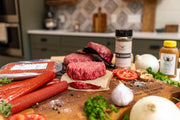
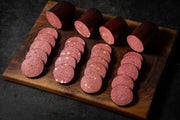
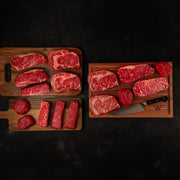

American wagyu represents a culinary revolution that marries the legendary marbling of Japanese wagyu cattle with the robust, hearty flavors that American palates crave. This unique crossbreed has created what many chefs and consumers consider the perfect combination between the delicate richness of imported beef from Japan and the satisfying, beefy taste that defines quality domestic beef.
When Japanese government restrictions loosened in the late 20th century after the Meiji restoration period, American wagyu breeders seized an unprecedented opportunity. They began crossing fullblood japanese wagyu with established american breeds, particularly Angus cattle, creating a new category of red meat that would transform the premium beef market.
We explore why American wagyu beef has earned its reputation as the best of both worlds, combining centuries of Japanese breeding expertise with American innovation in cattle production. Historical imports of cattle into Japan, including Korean cattle and British breeds, played a significant role in increasing the genetic diversity of Wagyu. These imports, along with ongoing improvement efforts in breeding programs in both Japan and the U.S., have enhanced traits like marbling, meat quality, and breed purity.
You’ll discover the science behind its exceptional quality, learn how it compares to both Japanese wagyu and conventional domestic beef, and master the techniques needed to prepare and appreciate this highly prized meat.

Introduction to American Wagyu
American Wagyu beef has quickly earned a reputation as one of the most sought-after meats in the world, celebrated for its exceptional marbling, rich flavor, and melt-in-your-mouth texture. The term “Wagyu” refers to a group of Japanese cattle breeds renowned for their superior intramuscular fat, which gives wagyu beef its signature tenderness and luxurious mouthfeel. By combining traditional wagyu genetics with American cattle breeding expertise, producers have created American Wagyu beef—a premium product that stands out in both quality and taste.
This unique fusion has captured the attention of award-winning chefs and discerning consumers alike. American Wagyu beef is now a staple on the menus of top-rated restaurants, where its buttery texture and robust flavor profile are highly prized. The careful breeding and feeding practices behind American Wagyu ensure a consistent, high-quality product that continues to elevate the standards of red meat around the globe. Whether enjoyed in a fine dining setting or prepared at home, American Wagyu beef delivers an unforgettable culinary experience that has solidified its reputation among the best beef in the world.
History and Origins
The story of American Wagyu beef begins in the 1970s, when the first Japanese Wagyu cattle were imported to the United States. Initially, these highly prized animals were brought over in small numbers, and their unique genetics were carefully preserved and integrated into American breeding programs. The formation of the American Wagyu Association in 1990 marked a pivotal moment, providing a formal structure for registering and promoting Wagyu cattle across the country.
Originally, Japanese Wagyu cattle were valued in Japan for their strength and endurance as draft animals. However, their remarkable marbling and rich flavor soon made them a favorite for beef production, both in Japan and abroad. As American ranchers began to crossbreed Japanese Wagyu with established domestic breeds, they discovered a winning combination: beef that offered the legendary tenderness and marbling of Japanese Wagyu, paired with the hearty taste and size preferred by American consumers.
Today, American Wagyu beef is celebrated in fine dining restaurants and by chefs who appreciate its unique taste and texture. The careful blending of Japanese and American cattle genetics has resulted in a product that stands out for its quality, flavor, and consistency—making it a favorite among consumers and a staple in the world of premium beef production.
What Makes American Wagyu the Best of Both Worlds
American wagyu beef emerges from a carefully orchestrated crossbreeding program between fullblood Japanese wagyu cattle and hardy American breeds, primarily Angus. This fusion creates beef that maintains the exceptional marbling characteristics that made Japanese cattle world-famous while developing the robust flavor profile that American consumers prefer.
The “best of both worlds” concept becomes clear when you examine the feeding protocols. While conventional beef cattle are typically fed for only 120 days, American wagyu cattle receive specialized vegetarian diets for 400+ days. This extended feeding period allows for the development of extensive intramuscular fat without sacrificing the meaty, satisfying taste that distinguishes American beef from its Japanese counterpart.
The natural american wagyu beef production process results in superior marbling while maintaining the hearty, beefy flavor ideal for American palates. Unlike the intensely rich, buttery texture of A5 Japanese wagyu that can overwhelm diners in large portions, American wagyu delivers complexity and tenderness in serving sizes that satisfy Western dining preferences.
Price accessibility represents another crucial advantage. While imported Japanese wagyu can cost $200+ per pound, quality american wagyu beef typically ranges from $40-120 per pound, making premium wagyu genetics available to a broader audience of food enthusiasts and restaurants seeking to offer exceptional beef without prohibitive costs. The growing popularity of American Wagyu beef among chefs, restaurants, and consumers is driven by its unique flavor, texture, and marbling, which have contributed to its increasing demand and reputation in the culinary world.
The American Wagyu Association, founded in 1990, has established standards that ensure consistent quality while allowing producers flexibility in their breeding programs. This approach has encouraged innovation in genetics, feeding protocols, and sustainable production methods across the United States.
The Science Behind American Wagyu Quality
The genetic foundation of american wagyu stems from four distinct japanese wagyu cattle breeds: Japanese Black, Japanese Brown, Japanese Polled, and Japanese Shorthorn. Among these four breeds, the Japanese Black genetics provide approximately 97% of the marbling characteristics (often referred to as 'sashi' in Japanese beef terminology) found in premium American wagyu beef. American wagyu is known for having a higher percent of marbling and healthy fats compared to conventional beef, with some cuts containing up to 30 percent more intramuscular fat.
When wagyu breeders cross bred these Japanese genetics with Angus cattle, they created animals that combine the marbling genes responsible for extensive intramuscular fat development with the size, hardiness, and familiar beef flavor profile that American producers and consumers value. This cross breeding strategy has proven so successful that it forms the backbone of the American wagyu industry.
The superior marbling in American wagyu results from higher concentrations of monounsaturated fatty acids, creating fat that melts at lower temperatures than conventional beef. This low melting point fat contributes to the characteristic tenderness and mouth-feel that distinguishes wagyu from other premium beef cuts.
Scientific analysis reveals that american wagyu contains approximately 30% more conjugated linoleic acid (CLA) than conventional domestic beef. CLA is regarded as beneficial for human health, potentially supporting cardiovascular function and providing anti-inflammatory properties that make wagyu a healthier choice among premium red meat options. American wagyu beef is graded based on marbling, color, and fat quality (BC10-BC40), similar to the Japanese grading system where beef is assigned a grade from A1 to A5, with A5 being the highest quality.
The unique lactone compounds found in wagyu genetics create the sweet aroma often compared to peaches and coconuts. While this characteristic may be less pronounced in cross bred American wagyu compared to fullblood Japanese cattle, it still contributes to the distinctive sensory experience that sets this beef apart from European breeds and standard American beef.

Modern wagyu genetics research focuses on improving marbling consistency and feed efficiency while maintaining the essential characteristics that define quality American wagyu. This scientific approach ensures that each generation of cattle produces beef that meets the exacting standards established by leading producers and the american wagyu association.
American Wagyu vs Japanese Wagyu: Key Differences
The feeding period represents one of the most significant differences between American wagyu and Japanese wagyu production. American wagyu cattle typically receive specialized diets for 400+ days, while traditional japanese wagyu programs extend feeding periods to 650+ days or longer. This difference affects both the final marbling level and the overall cost of production.
Diet composition varies considerably between the two approaches. American wagyu producers focus primarily on corn and wheat-based feeds that promote efficient growth while developing marbling. Japanese producers traditionally use more complex mixtures including barley, wheat bran, and rice bran that contribute to the unique flavor profile of authentic japanese wagyu beef.
Marbling levels provide the clearest visual distinction between American wagyu and Japanese wagyu. American wagyu typically achieves moderate to high marbling scores, often rating 6-8 on standardized scales. Japanese A5 wagyu, regarded as the pinnacle of beef quality, consistently produces extreme marbling scores of 10-12, creating meat with an almost marble-like appearance.
American Wagyu is produced using specific feeding and breeding protocols designed to replicate the genetics and marbling of Japanese Wagyu, while adapting to American agricultural practices. The flavor profiles reflect these production differences. American wagyu delivers a hearty, beefy taste that balances richness with familiar beef flavors, making it ideal for grilling and roasting applications. Japanese wagyu offers an intensely buttery, rich texture that dissolves on the tongue, making it perfect for shabu shabu and other preparations where the fat content takes center stage.
|
Characteristic |
American Wagyu |
Japanese A5 Wagyu |
|
Feeding Period |
400+ days |
650+ days |
|
Primary Feed |
Corn and wheat |
Barley, wheat bran, rice bran |
|
Marbling Score |
6-8 |
10-12 |
|
Flavor Profile |
Hearty, beefy |
Buttery, rich |
|
Best Cooking |
Grilling, roasting |
Shabu shabu, minimal cooking |
|
Price Range |
$40-120/lb |
$200+/lb |
Cooking methods that work best for each type of wagyu beef reflect these fundamental differences. American wagyu excels when grilled, roasted, or pan-seared, techniques that allow the marbling to enhance rather than overwhelm the beef flavor. Japanese wagyu performs best with minimal cooking that preserves the delicate fat structure and allows diners to appreciate the pure expression of extreme marbling.
Price considerations make American wagyu accessible to a broader market. Quality American wagyu costs 30-50% less than imported Japanese wagyu, allowing restaurants and home cooks to experience wagyu genetics without the premium associated with the most exclusive Japanese beef.
Industry Overview
The American Wagyu beef industry has experienced significant growth, driven by a commitment to quality and innovation. Producers and breeders across the country are dedicated to raising Wagyu cattle that meet the highest standards, ensuring that every cut of American Wagyu beef delivers on its promise of exceptional flavor and tenderness. The American Wagyu Association plays a central role in this process, overseeing the registration of Wagyu cattle and promoting best practices in breeding and production.
A key focus of the industry is the use of sustainable and natural farming methods. Many American Wagyu producers choose to raise their cattle without the use of hormones or antibiotics, prioritizing animal health and the integrity of the final product. This approach not only supports the well-being of the cattle but also appeals to health-conscious consumers who value transparency and quality in their food choices.
By combining rigorous genetic selection with responsible farming practices, the American Wagyu industry continues to set new benchmarks for premium beef. Producers are committed to delivering a product that is not only delicious and tender but also healthy and sustainably raised, ensuring that American Wagyu beef remains a top choice for chefs, restaurants, and consumers seeking the very best in red meat.
Production Standards and Raising Methods
Premium american wagyu production adheres to strict standards that prohibit the use of added hormones or animal by-products in feed formulations. This commitment to natural production methods ensures that the beef develops its exceptional characteristics through genetics and proper nutrition rather than artificial enhancement.
The minimum 400-day feeding program represents a cornerstone of American wagyu quality. During this extended period, cattle receive carefully formulated vegetarian diets designed to promote optimal marbling development while maintaining animal health and welfare. This feeding duration far exceeds the 120-day standard for conventional beef production.
Stress-free environments play a crucial role in preserving meat quality throughout the production process. American wagyu producers emphasize careful handling techniques, comfortable housing, and consistent routines that minimize stress-related impacts on beef tenderness and flavor development.
Registration through the american wagyu association provides traceability and quality assurance for consumers and restaurants. Founded in 1990, the association maintains detailed records of genetics, breeding programs, and production methods that allow for complete transparency in the supply chain.
Grading systems adapted from Japanese marbling standards ensure consistency across American wagyu producers. These standards focus on intramuscular fat distribution, overall meat quality, and adherence to established production protocols that maintain the reputation of American wagyu beef.
Sustainable genetics programs emphasize calving ease and feed efficiency, making American wagyu production viable for a broader range of agricultural operations. This focus on practical breeding goals has contributed to the rapid expansion of American wagyu across diverse regions and farming systems.
Natural and Sustainable Practices
American Wagyu beef producers are at the forefront of natural and sustainable agriculture, recognizing that the health of their cattle and the environment go hand in hand. Many farms and ranches employ rotational grazing systems, allowing Wagyu cattle to roam freely and graze on diverse pastures. This method supports soil health, reduces the need for chemical inputs, and promotes animal welfare by providing a low-stress, natural environment.
Producers also prioritize healthy, locally sourced feed, minimizing the use of additives and preservatives. By avoiding routine antibiotics and growth hormones, American Wagyu beef remains a wholesome, natural product that meets the expectations of today’s health-conscious consumers. These sustainable practices not only enhance the quality and flavor of the beef but also contribute to a more environmentally friendly food system.
By choosing to raise American Wagyu cattle with care and respect for both the animals and the land, producers are able to offer a premium beef product that stands out for its taste, quality, and commitment to sustainability. This dedication ensures that American Wagyu beef continues to earn the trust and loyalty of consumers who value both exceptional flavor and responsible production.
Regional American Wagyu Producers
Texas and Kansas host the largest concentration of American wagyu ranches, benefiting from the american wagyu association headquarters and the state’s established cattle infrastructure. The combination of favorable climate, abundant feed resources, and expertise in cattle raising has made Texas and Kansas a center for American wagyu development.
Pacific Northwest producers benefit from ideal climate conditions and access to high-quality grain sources that support optimal marbling development. The region’s emphasis on sustainable agriculture aligns well with the premium positioning of American wagyu beef.

Cooking and Preparation Guide
Proper cooking techniques preserve and enhance the exceptional marbling that defines quality American wagyu beef. The key lies in understanding how the intramuscular fat behaves under heat and adjusting cooking methods to optimize both flavor and texture development.
Temperature control becomes critical when preparing american wagyu steaks. For optimal results, aim for internal temperatures of 125-130°F for medium-rare, which allows the marbling to soften and distribute throughout the meat without overcooking the protein structure. Higher temperatures can cause the precious fat to render out, diminishing both flavor and tenderness.
Grilled Wagyu Ribeye Method
Start with room temperature steaks that have been removed from refrigeration 30-45 minutes before cooking. Season with coarse salt just before placing on a preheated grill to prevent moisture loss that can occur with early salting.
Sear the ribeye over high heat for 2-3 minutes per side to develop a flavorful crust, then move to a cooler section of the grill to finish cooking. Use a reliable meat thermometer to monitor internal temperature, removing the steak when it reaches 125°F for perfect medium-rare results.
Garlic Citrus Marinated Tri-tip
American wagyu tri-tip responds beautifully to simple marinades that complement rather than mask the beef flavor. Combine minced garlic, fresh citrus juice, olive oil, and herbs for a marinade that enhances the natural taste while adding complexity for weekday meals.
Marinate the tri-tip for 2-4 hours maximum, as the tender meat structure doesn’t require long acid exposure. Cook over medium-high heat, turning frequently to ensure even cooking and prevent the lean areas from drying out.
Pan-searing Techniques
Pan-searing American wagyu steaks require careful heat management to preserve the marbling while developing a proper crust. Use a heavy-bottomed pan preheated to medium-high temperature with minimal oil, as the beef’s natural fat content provides sufficient lubrication.
Allow steaks to cook undisturbed for 3-4 minutes per side, depending on thickness. The marbling will render slowly, creating its own basting medium that enhances flavor development throughout the cooking process.
Salt timing affects the final texture and flavor of american wagyu. Season immediately before cooking to maintain moisture, or salt 40+ minutes in advance to allow the seasoning to penetrate the meat structure. Avoid the 10-30 minute window that can draw out moisture without providing flavor benefits.
Resting periods allow the juices to redistribute throughout the meat after cooking. Plan for 5-10 minutes of resting time for steaks and 15-20 minutes for larger roasts to ensure optimal texture and moisture retention when serving.
Recommended Cuts for Different Occasions
Ribeye and strip steaks represent the premium cuts ideal for special celebrations and date nights when presentation and flavor take priority over cost considerations. These cuts showcase the marbling characteristics that define American wagyu while providing the substantial portions preferred for memorable dining experiences.
Tri-tip and chuck roasts offer excellent value for family dinners and meal prep applications. These cuts benefit from the enhanced marbling found in American wagyu while remaining accessible for regular consumption. Slow cooking methods work particularly well with these cuts.
Ground American wagyu elevates everyday dishes like burgers and meatballs beyond conventional expectations. The marbling throughout ground wagyu creates juicier, more flavorful results that justify the premium price for special occasion cooking.
Brisket from American wagyu cattle excels in low-and-slow smoking applications where the extended cooking time allows the enhanced marbling to break down and create exceptionally tender, flavorful results that surpass conventional beef brisket.
Health Benefits of American Wagyu
The fatty acid profile of American wagyu beef provides several potential health advantages compared to conventional domestic beef. The higher ratio of monounsaturated to saturated fats may support cardiovascular health when consumed as part of a balanced diet.
Research indicates that american wagyu contains approximately 30% higher levels of conjugated linoleic acid (CLA) compared to standard beef. Scientific studies suggest that CLA may provide anti-inflammatory benefits and support healthy cholesterol levels, making american wagyu a potentially healthier choice among premium red meat options.
Omega-3 fatty acid content in grass-finished american wagyu programs can exceed that found in conventional grain-fed beef. These essential fatty acids play important roles in cardiovascular health and may help reduce inflammation when consumed regularly.
Higher protein density per serving results from the concentrated marbling found in american wagyu. While the fat content increases overall calories, the protein concentration often exceeds that of leaner conventional beef cuts, providing more nutritional value per bite.
Premium american wagyu programs typically exclude antibiotics and growth hormones from their production protocols. This commitment to natural raising methods appeals to health-conscious consumers seeking to minimize exposure to synthetic compounds in their food choices.
The improved fat composition of American wagyu may result in lower cholesterol impact compared to conventional beef with similar marbling levels. The predominance of monounsaturated fats over saturated fats aligns with dietary recommendations for heart-healthy eating patterns.

Where to Buy and What to Look For
Verified American Wagyu Association certification provides the most reliable indicator of authentic american wagyu beef. Look for registration numbers and documentation that trace the cattle lineage and confirm adherence to established breeding and feeding standards.
Clear labeling of crossbred percentage helps consumers understand exactly what they’re purchasing. Terms like F1 (first generation, 50% wagyu genetics), F2 (second generation), purebred (93.75%+ wagyu genetics), and fullblood (100% wagyu genetics) indicate the level of Japanese influence in the breeding program.
Marbling score indicators typically range from BMS 4-7 for quality american wagyu, with higher scores commanding premium prices. Understanding these scoring systems helps consumers make informed decisions based on their preferences and budget considerations.
Dry-aging options enhance flavor development in American wagyu through controlled moisture loss and enzymatic breakdown. While not necessary for enjoying American wagyu, dry-aging can intensify the beef flavor and create more complex taste profiles appreciated by serious enthusiasts.
Online Specialty Retailers
Booth Creek Wagyu leads the direct-to-consumer market with comprehensive offerings of american wagyu cuts, detailed product information, and reliable shipping nationwide. Their reputation for quality and customer service makes them a trusted source for first-time American wagyu buyers.
High-end Butcher Shops and Specialty Markets
Local butcher shops increasingly stock American wagyu beef as consumer awareness and demand grow. These retailers often provide personalized service, custom cutting options, and expert advice on preparation techniques that enhance the buying experience.
Specialty meat markets in major metropolitan areas frequently maintain relationships with specific American wagyu producers, allowing them to offer traced, high-quality beef with detailed provenance information that appeals to discerning customers.
Restaurant suppliers increasingly offer direct sales to consumers, particularly for bulk purchases or special orders. These channels can provide access to restaurant-quality american wagyu at competitive prices for serious home cooks and entertaining needs.
The Future of American Wagyu
Growing acceptance in mainstream American restaurants has accelerated since the 2010s as diners develop appreciation for premium beef experiences. What began in luxury steakhouses has expanded to casual dining establishments seeking to differentiate their offerings and justify premium pricing.
The expansion from luxury steakhouses to casual dining represents a significant market shift that makes American wagyu accessible to broader consumer segments. This democratization of premium beef reflects both improved production efficiency and growing consumer willingness to pay for quality food experiences. The increasing selling of American Wagyu beef in both domestic and international markets highlights the rising demand and expanding reach of this premium product.
Development of sustainable feeding programs using local grain sources addresses environmental concerns while reducing production costs. These initiatives position American wagyu producers as responsible agricultural operators committed to both quality and sustainability.

Genetic research continues improving marbling consistency and feed efficiency through advanced breeding techniques and data analysis. These technological advances promise more predictable quality and potentially lower production costs that could expand market accessibility.
Export opportunities to Canada, Europe, and Asia-Pacific markets represent significant growth potential for American wagyu producers. American Wagyu beef and genetics are exported to international markets, contributing to the breed's global presence and economic importance. International recognition of American wagyu quality creates new revenue streams and validates the “best of both worlds” positioning in global markets.
Integration with regenerative agriculture practices aligns American wagyu production with environmental stewardship goals. These approaches emphasize soil health, carbon sequestration, and biodiversity that appeal to environmentally conscious consumers and support long-term sustainability.
The convergence of premium quality, sustainable production, and growing consumer sophistication suggests a bright future for American wagyu beef. As production knowledge expands and costs stabilize, this remarkable fusion of Japanese genetics and American innovation will likely become increasingly accessible to food enthusiasts seeking the ultimate expression of premium beef.
American wagyu truly represents the best of both worlds - capturing the legendary marbling and tenderness of Japanese wagyu cattle while maintaining the robust, satisfying flavors that American palates crave. Whether you’re a chef seeking to elevate your menu or a home cook planning a special meal, american wagyu beef offers an unparalleled combination of quality, flavor, and value that justifies its position at the pinnacle of premium beef.