
The secret to wagyu’s legendary flavor begins long before the meat reaches your plate. The journey from pasture to plate reveals a meticulous process where every decision, from selecting wagyu cattle genetics to monitoring daily nutrition, directly impacts the final eating experience. Understanding this comprehensive approach helps explain why wagyu commands such respect in culinary circles and why authentic japanese wagyu cattle represent the pinnacle of beef production.
This culinary adventure takes us deep into the world of wagyu breeders, exploring how four wagyu breeds developed over centuries to create the highest quality beef available today. From the genetic foundations that enable rich marbling to the extended care periods that develop complex flavors, each step in raising these remarkable beef cattle contributes to their superior quality. The development of Wagyu also involves various breeds imported from other countries, shaping its unique genetic background.
Introduction to Wagyu
Wagyu cattle are a remarkable breed of Japanese beef cattle, celebrated worldwide for producing the highest quality beef. The word “Wagyu” literally translates to “Japanese cow,” and these cattle have been carefully bred over centuries to develop a unique combination of intense marbling, tender texture, and rich flavor. This dedication to quality has made wagyu beef a sought-after delicacy, renowned for its superior taste and melt-in-your-mouth experience.
The reputation of wagyu beef is upheld by organizations such as the American Wagyu Association and dedicated Japanese wagyu cattle breeders, who work tirelessly to maintain the breed’s exceptional standards. Their efforts ensure that only the finest beef cattle, raised with meticulous care, earn the wagyu name. Whether enjoyed in Japan or as American wagyu, this beef stands out for its unparalleled quality, making it a favorite among chefs and food enthusiasts alike.
From the lush pastures of Japan to the tables of gourmet restaurants around the globe, wagyu beef continues to set the standard for premium quality. Its signature marbling and tender texture are a testament to the careful breeding and attention to detail that define the wagyu difference. For anyone seeking the ultimate in beef flavor and quality, wagyu remains the gold standard.
History and Development
The story of wagyu cattle begins over a thousand years ago, when the first cattle were brought to Japan from Korea and China in the 2nd century AD. Over generations, Japanese cattle breeders developed a deep understanding of selective breeding, focusing on traits that would produce beef with exceptional marbling, tender texture, and rich flavor. This careful selection process laid the foundation for what would become some of the world’s most highly prized beef.
In the late 19th century, the Meiji Restoration opened Japan to Western influences, including the introduction of European cattle breeds. Crossbreeding between these European cattle and native Japanese cattle led to the creation of four distinct wagyu breeds: Japanese Black, Japanese Brown, Japanese Polled, and Japanese Shorthorn. Each breed brought unique qualities to the table, but all shared the hallmark characteristics of wagyu—tenderness, marbling, and superior flavor.
Today, wagyu cattle are raised not only in Japan but around the world, with breeders in countries like the United States and Australia expertly replicating the exceptional quality of Japanese beef. The legacy of centuries of careful breeding lives on in every cut of wagyu, making it a symbol of culinary excellence and a testament to the art of cattle breeding.
Characteristics of Wagyu
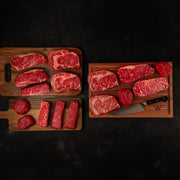
What truly sets wagyu cattle apart from other beef breeds is their extraordinary marbling and tender texture. The secret lies in the high percentage of intramuscular fat, which is finely woven throughout the meat, creating the signature marbling that gives wagyu beef its exceptional flavor and juiciness. This marbling is not just visually stunning—it’s also responsible for the beef’s rich flavor and buttery mouthfeel.
Wagyu beef is also known for its lower melting point, thanks to the predominance of monounsaturated fatty acids in the intramuscular fat. This means that wagyu fat begins to melt at body temperature, resulting in a tender, juicy bite that is unlike any other beef. Among the four main wagyu breeds, Japanese Black is the most widely raised and is especially renowned for its exceptional marbling and superior eating quality.
Each wagyu breed brings its own unique characteristics to the table, but all share the qualities that have made wagyu beef a global sensation: intense marbling, tender texture, and a rich, savory flavor that lingers on the palate. Whether enjoyed as a steak or in traditional Japanese dishes, wagyu beef offers a truly unforgettable culinary experience.
The Foundation of Flavor: Wagyu Genetics and Breeding
The foundation of exceptional wagyu begins with genetics. Only four breeds qualify as authentic wagyu: japanese black, japanese brown (also known as japanese shorthorn), japanese polled, and a fourth distinct wagyu breed. Among these four breeds, Japanese black cattle represent an overwhelming 97% of production, with their superior genetic predisposition for the intricate marbling that defines premium quality wagyu.

Within the japanese black breed, the tajima cattle bloodline from the tajima region produces the highest marbling potential. These Japanese cattle carry specific genetic markers that researchers have identified through advanced genomic testing. The SCD (Stearyl-CoA Desaturase) gene testing reveals three distinct genotypes—AA, VA, and VV—that predict marbling quality, with the AA genotype producing superior intramuscular fat development.
This selective breeding approach isn’t new. During the Edo period (1603-1867), Japanese cattle breeders developed superior “tsuru” bloodlines through careful inbreeding and selection. These traditional methods established the genetic foundation that modern wagyu association organizations continue to build upon today.
In the early 20th century, European breeds such as Brown Swiss, Shorthorn, and Simmental were imported into Japan and used in crossbreeding programs to improve Japanese cattle. Crossbreeding with Brown Swiss and other European breeds was eventually discontinued due to size and other traits that were unsuitable for Japanese conditions. Hybrid cattle, including cross-bred Wagyu and other breeds, were initially promoted to improve size and meat quality, but over time, the focus shifted back to pure Wagyu genetics.
The expansion of wagyu genetics beyond Japan began strategically in 1976 when four bulls were imported to establish American wagyu breeding programs. Full-blood wagyu cows didn’t arrive until 1993, creating the foundation for what would become the american wagyu association’s registration system. This careful introduction of wagyu genetics to American beef production marked the beginning of global wagyu development outside Japan.
Today’s wagyu breeders use both traditional selection methods and modern genomic tools to identify cattle with the highest potential for exceptional marbling. The American Wagyu Association has registered thousands of cattle across the U.S., Canada, and beyond since 1990, ensuring genetic integrity while expanding access to these remarkable beef cattle genetics. The Japanese government played a key role in regulating breeding, maintaining registries, and overseeing the import and export of Wagyu genetics.
Pasture Management: Creating the Perfect Environment
The environment where wagyu cattle spend their early months significantly influences their development and, ultimately, their meat quality. Successful wagyu production requires spacious grazing areas that allow cattle to roam freely, reducing stress levels that can negatively impact meat tenderness and flavor development.
Creating a low-stress environment proves essential for maintaining proper meat pH and achieving the tender texture wagyu is famous for. Some premium wagyu farms go to extraordinary lengths, providing massages and playing soothing music to promote relaxation among their herds. While these practices might seem unusual, they reflect the industry’s commitment to animal welfare and meat quality.
Individual attention during early life sets wagyu apart from conventional beef cattle production. Calves typically stay with their mothers for nearly a year, much longer than the industry standard, allowing for natural development and bonding that contributes to overall animal well-being. This extended maternal period supports proper growth and helps establish the calm temperament essential for quality meat production.
Open grazing during the first months allows young wagyu to build natural muscle development and strength. This natural movement and exercise contribute to the proper muscle structure that later supports optimal marbling development as the animals mature.
The pasture management philosophy extends beyond just providing space. Many wagyu producers focus on creating environments that mirror traditional Japanese farming practices, emphasizing harmony between the animals and their surroundings. This approach reflects the understanding that stress-free animals produce superior meat, making environmental management a crucial component of the pasture to plate journey.
The Nutritional Journey: Feed That Creates Marbling
The development of wagyu’s signature marbling depends heavily on a carefully designed nutritional program. Unlike conventional beef cattle that might graze on standard pasture, wagyu cattle receive a high-energy diet specifically formulated to promote intramuscular fat deposition. This specialized diet consists of rice straw, corn, and barley, creating the nutritional foundation for exceptional marbling development. In some regions, such as Western Australia, red wine is also included in the finishing diet to further enhance the flavor and quality of Wagyu beef.
The extended feeding period represents one of the most significant differences between wagyu and other beef production. While conventional beef cattle typically finish in 16 months, wagyu cattle often continue their nutritional journey for up to three years. This extended timeframe allows for the gradual development of the fine marbling that creates wagyu’s distinctive eating experience.

The Science Behind Marbling Development
The relationship between nutrition and marbling involves complex biochemical processes. Feed composition directly influences fat deposition patterns, with the specialized nutrition creating oleic acid-rich fat that has a lower melting point than conventional beef fat. This lower melting point contributes significantly to wagyu’s tender texture and buttery mouthfeel.
Intramuscular fat percentages vary considerably across different wagyu classifications. American wagyu F1 crosses typically achieve around 12% intramuscular fat, while authentic kobe beef can reach extraordinary levels of up to 60% fat marbling. Japanese Black cattle, in particular, are renowned for their high degree of marbling, which sets them apart from other breeds. The optimal range for exceptional eating experience falls between 35-45% IMF, where the marbling enhances flavor without overwhelming the meat’s natural taste.
The conversion of stearic acid to oleic acid through specific enzymes creates wagyu’s signature tenderness. This biochemical process, influenced by diet and genetics, results in fat that melts at body temperature, contributing to the famous “melt-in-your-mouth” sensation that defines premium wagyu experiences.
Additionally, wagyu beef contains 30% more conjugated linoleic acid (CLA) than conventional beef. This higher CLA content, along with increased levels of monounsaturated fats, contributes to wagyu’s unique nutritional profile and supports its reputation as a higher-quality protein source.
The nutritional journey also influences the development of compounds that affect taste directly. The careful balance of feed ingredients promotes the development of flavor precursors that create wagyu’s complex, rich flavor profile. This demonstrates how the diet consists of specialized ingredients specifically chosen to enhance both marbling and taste characteristics.
Time and Care: The Extended Life Approach
The philosophy behind wagyu production emphasizes patience and long-term investment in quality development. Wagyu cattle typically live up to three years before processing, allowing ample time for the iconic marbled fat deposits to develop throughout their muscle tissue. This extended lifespan represents a fundamental difference from conventional beef production and directly contributes to wagyu’s superior quality characteristics.
The longer development period allows for proper marbling distribution throughout the muscle tissue rather than just surface fat accumulation. This time investment ensures that the intramuscular fat develops evenly, creating the consistent marbling pattern that wagyu is famous for. The patient approach reflects traditional Japanese farming methods that prioritize quality over speed.
This extended care period significantly increases production costs compared to conventional beef cattle operations. However, wagyu producers understand that shortcuts in timing compromise the final product quality. Every additional month of care contributes to developing the rich, complex flavor profiles that justify wagyu’s premium pricing in the marketplace.
Traditional Japanese farming methods continue to emphasize this patience-focused approach. Many family-run operations have maintained these time-honored practices for generations, viewing wagyu production as an art form rather than simply agricultural business. This cultural approach to beef production influences every aspect of raising these remarkable cattle.
The extended life approach also allows for multiple phases of development, each contributing different characteristics to the final product. Early months focus on natural development and strength building, middle periods emphasize controlled nutrition for marbling development, and final months concentrate on finishing touches that optimize flavor and texture characteristics.
Every aspect of this extended raising process focuses on producing luxury quality beef with no expense spared. This comprehensive commitment to time and care creates the foundation for wagyu’s reputation as the highest quality beef available in today’s global market.
Quality Control: From Ranch to Grading
The journey from pasture to plate includes rigorous quality control measures that ensure only the finest wagyu reaches consumers. The Japanese meat grading association (JMGA) provides strict grading standards that have become the global benchmark for wagyu quality assessment. These standards evaluate multiple factors including marbling, meat color, firmness, and fat quality to determine final grades. Grading standards also assess the proportion and quality of edible meat, ensuring that only the most desirable cuts reach consumers.
The A5 grade represents the absolute pinnacle of wagyu quality, combining yield grades (A, B, or C) with quality scores (1 through 5). This grading system ensures that only beef meeting the most demanding standards receives the coveted A5 designation. The precision of this system helps maintain wagyu’s reputation for consistent excellence. Booth Creek has also developed their own grading system, with BC40 representing the American equivalent of an A5 steak.
For full-blood wagyu assessment, the beef marbling score (BMS) system uses a scale from 3 to 12, providing even more detailed evaluation of marbling characteristics. This specialized scoring system allows for precise categorization of different marbling levels, helping both producers and consumers understand exactly what they’re receiving.

The American Wagyu Association has established similar registration and grading protocols for wagyu produced outside Japan. Since 1990, this organization has maintained breeding records and quality standards that preserve genetic integrity while adapting to different production environments. Their work ensures that american wagyu maintains the quality characteristics that define authentic wagyu beef.
Regional authenticity requirements add another layer of quality control. For example, authentic Kobe beef must come exclusively from cattle raised in Hyogo prefecture and meet specific lineage requirements. These geographic and genetic restrictions ensure that regional wagyu varieties maintain their distinctive characteristics and quality standards.
The quality control process extends beyond just grading to include comprehensive traceability systems. Japanese wagyu can be tracked from birth to slaughter, providing complete transparency about each animal’s breeding, feeding, and care history. This level of documentation supports both quality assurance and consumer confidence in authentic wagyu products.
Nutrition and Health
Wagyu beef is not only a treat for the taste buds—it’s also a nutritious choice for those seeking both flavor and health benefits. Packed with high-quality protein, Wagyu beef provides essential nutrients such as iron, zinc, and B vitamins, supporting overall health and well-being. The lean meat of wagyu cattle is also lower in cholesterol compared to many other types of beef, making it a smart option for health-conscious consumers.
One of the standout features of wagyu beef is its high content of monounsaturated fats, particularly oleic acid, which is known for its heart-healthy properties. Wagyu beef also contains conjugated linoleic acid (CLA), a beneficial fatty acid with anti-inflammatory effects. The presence of linoleic acid and other healthy fats contributes to wagyu’s unique nutritional profile, offering a balance of flavor and wellness that few other meats can match.
For those who appreciate both gourmet taste and nutritional value, wagyu beef delivers on all fronts—providing a delicious, lean meat option that supports a healthy lifestyle.
Culinary Uses of Wagyu
Wagyu beef’s tender texture and rich flavor make it a star ingredient in kitchens around the world. Its versatility allows it to shine in a variety of culinary applications, from classic steaks and roasts to innovative gourmet snacks. Whether grilled, pan-seared, or gently sautéed, wagyu beef delivers a melt-in-your-mouth experience that elevates any meal.
In Japan, wagyu beef is often enjoyed as a delicacy, thinly sliced for dishes like sukiyaki or shabu-shabu, where its exceptional marbling and flavor can be fully appreciated. It’s also a favorite for special occasions, perfect for a cozy night in or as the centerpiece of a celebratory feast. The unique qualities of wagyu beef make it highly prized by chefs and home cooks alike, who value its ability to transform even simple dishes into unforgettable culinary adventures.
From fine dining restaurants to home kitchens, wagyu beef continues to inspire creativity and delight palates, proving that the highest quality beef is always worth savoring. Whether you’re seeking the perfect gift for a food lover or planning a memorable meal, wagyu beef is the ultimate choice for those who appreciate the very best in flavor and tenderness.
The Final Product: How Cattle Care Translates to Flavor
The culmination of the pasture to plate journey reveals itself in wagyu’s extraordinary eating characteristics. The fine marbling, known as “sashi” in Japanese, creates the signature melt-in-mouth texture that distinguishes wagyu from all other beef varieties. This marbling pattern results directly from the careful genetics, nutrition, and extended care provided throughout each animal’s life.
The unique fat composition and abundant marbling make Wagyu beef exceptionally flavorful, elevating the overall eating experience with a deep, satisfying taste. The low melting point fat, rich in monounsaturated fatty acids, delivers the buttery flavor that wagyu enthusiasts prize. This fat composition, influenced by diet and genetics, melts at just 77°F (25°C), well below body temperature. When consumed, this creates an almost instantaneous melting sensation that releases complex flavors across the palate.
Stress-free raising practices preserve meat tenderness and maintain optimal pH levels in the finished product. The careful attention to animal welfare throughout the production process directly translates to superior eating quality. Stressed animals produce tougher meat with compromised flavor, making the low-stress environment essential for achieving wagyu’s legendary tenderness.
The extended life and proper nutrition create rich, complex flavor profiles that develop over time. Unlike conventional beef where flavor development happens primarily during aging after slaughter, wagyu develops its characteristic taste during the animal’s lifetime through careful feeding and management practices.
An important health consideration involves wagyu’s unique fat composition. Approximately 40% of the saturated fat in wagyu is stearic acid, which research suggests has minimal impact on cholesterol levels compared to other saturated fats. Combined with high levels of oleic acid (the same beneficial fat found in olive oil), wagyu offers a more favorable nutritional profile than conventional red meat.
The transformation from live cattle to premium beef represents the culmination of years of dedicated care and attention. Every decision made during the animal’s life—from genetic selection to final feeding programs—contributes to the exceptional eating experience that defines authentic wagyu beef.

This comprehensive approach to cattle raising demonstrates why the secret to wagyu’s flavor truly starts with the cow. The journey from pasture to plate involves countless decisions and investments in quality that collectively create one of the world’s most prized culinary experiences.
Conclusion
The secret to wagyu’s extraordinary flavor lies not in cooking techniques or preparation methods, but in the comprehensive care provided throughout each animal’s life. From the genetic foundations established through centuries of selective breeding to the extended feeding programs that develop signature marbling, every aspect of wagyu production focuses on creating exceptional eating experiences.
Understanding this pasture to plate journey reveals why wagyu commands premium prices and devoted followings among food enthusiasts worldwide. The combination of superior genetics, stress-free environments, specialized nutrition, extended care periods, and rigorous quality control creates beef that stands apart from all other varieties.
Whether you’re a culinary professional, food enthusiast, or simply curious about luxury food production, appreciating the comprehensive effort behind wagyu helps explain its legendary status. The next time you experience authentic wagyu beef, remember that its extraordinary flavor represents years of dedication, tradition, and meticulous attention to detail that truly begins with the cow.
The wagyu difference extends far beyond marbling patterns or cooking methods—it represents a philosophy of patient craftsmanship where every decision prioritizes quality over convenience. This commitment to excellence, passed down through generations of Japanese cattle breeders and adopted by producers worldwide, ensures that wagyu remains the gold standard for premium beef production.