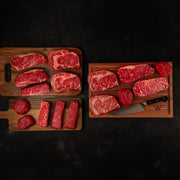

There’s something deeply satisfying about cooking a wagyu ribeye at home. The intense marbling, the buttery flavor, the restaurant-quality crust you can achieve with the right technique—it’s all within reach once you understand how this premium beef behaves in a hot pan. American wagyu beef is renowned for its tradition, strict breeding standards, and exceptional quality, making it the gold standard for steak lovers.
This masterclass will walk you through everything from selecting your steak to slicing it like a professional chef. Whether you’re working with American wagyu beef or splurging on Japanese wagyu from Miyazaki Prefecture. Wagyu beef is celebrated for its superior marbling and quality, setting the benchmark for premium steak worldwide. You’ll find the guidance you need to cook it perfectly every single time.
Start Here: The Fast-Track Guide to a Perfect Wagyu Ribeye
If you’ve just unwrapped a beautiful wagyu ribeye steak and want to get cooking, here’s your quick answer—this recipe will get you to an exceptional steak in under 15 minutes of active cooking time.
At-a-glance method for a 1-inch American Wagyu ribeye:
-
Salt your steak generously with kosher salt 60 minutes before cooking and let it rest uncovered on a wire rack.
-
Preheat your cast iron skillet in a 400°F oven for 20-30 minutes, then move it to a medium high heat burner.
-
Add a thin film of high-smoke-point oil, lay the steak away from you, and sear for 2-3 minutes per side until a deep brown crust forms.
-
Rest for 5 minutes before slicing.
Here’s your fast-reference numbered flow:
(1) salt 60 minutes ahead
(2) preheat cast iron in 400°F oven
(3) transfer pan to stovetop on medium high heat
(4) sear 2-3 minutes per side to 130°F internal
(5) rest 5 minutes
(6) slice and serve
Target internal temperatures: Rare | 120-125°F | | Medium rare | 130°F | | Medium | 135°F |
Always use an instant read thermometer inserted from the side into the thickest part of the meat. Time estimates vary wildly based on steak thickness, pan heat, and fat content—temperature doesn’t lie.
The rest of this article breaks down equipment choices, technique refinements, and alternative methods like grilling and sous vide for those who want the complete picture, and provides a detailed recipe for perfect results.
Understanding Wagyu Ribeye: What Makes It Different
A wagyu ribeye isn’t just a fancy ribeye steak with a higher price tag. The intramuscular fat content—what we call marbling—fundamentally changes how this beef cooks, tastes, and melts on your tongue.
The Marbling Difference
Standard USDA Choice ribeye steaks contain modest marbling, enough for decent flavor and juiciness. USDA Prime steps it up with more visible fat webbing throughout the muscle. But wagyu beef operates on an entirely different scale.
American wagyu, typically crossbred from Japanese black cattle and Angus, carries roughly 20-40% intramuscular fat depending on the producer and grading. Japanese wagyu beef from regions like Miyazaki Prefecture, Kobe, and Matsusaka pushes even higher, with A5-grade steaks scoring up to 51 points on the 1-12 BMS (Beef Marbling Standard) scale.
This fat composition matters in the pan. Wagyu fat is rich in oleic acid—up to 50% of total fat content in premium cuts—which gives it a lower melting point around 77°F compared to 104°F for conventional beef. That’s why wagyu literally melts on your palate and why it renders so quickly over heat.
Grading Systems Explained
Different countries grade wagyu differently:
-
Japanese grading: A1-A5 yield grade combined with BMS 1-12 marble score. A5 with BMS 10-12 represents the pinnacle.
-
Australian grading: Uses a 0-9 marble score system, with 9+ reserved for exceptional full-blood wagyu.
-
American grading: Wagyu grading can vary by supplier, with ranches such as Booth Creek Wagyu offering a grading system of BC10-BC40.
When you’re standing at the butcher counter, a 16 oz, 1¼-inch American Wagyu ribeye will look dramatically different from standard Prime. The fat webbing appears finer and more evenly distributed—almost like delicate snowflakes scattered through the lean. Compare that to ordering a 10 oz Miyazaki A5 online, where the marbling is so dense the steak appears more white than red.
This isn’t just aesthetics. More marbling means faster cooking, lower rendering temperatures, and that signature buttery mouthfeel that defines the wagyu experience.
Selecting and Preparing Your Wagyu Ribeye
Proper selection and preparation set the stage for everything that follows. A poorly chosen or improperly thawed wagyu steak won’t deliver its full potential, no matter how skilled your searing technique.
Wagyu ribeye steaks can be purchased from various suppliers online, including Booth Creek Wagyu. These steaks are often shipped frozen to ensure quality upon arrival.
Visual Selection Criteria
When choosing your ribeye, look for:
-
Even “snowflake” marbling distributed throughout the entire steak, not just concentrated in one area
-
Bright cherry-red lean meat indicating freshness and proper handling
-
Creamy white fat rather than yellowish or gray-tinged fat
-
Avoid dark, wet, or grayish meat surfaces, which suggest improper storage or age
Recommended Specifications
For this masterclass, aim for a ribeye between 1-1½ inches thick, weighing 12-16 oz. This thickness range gives you enough time to develop a proper crust before the interior overcooks. Bone-in or boneless both work well, though bone-in ribeyes require slightly longer cooking times.
Thinner steaks under ¾ inch cook so quickly you’ll struggle to build a crust before overcooking. Thicker steaks above 2 inches—including premium cuts like Wagyu beef—benefit from alternative methods like reverse searing.
Thawing Protocol
If your wagyu arrives frozen, thaw it in the refrigerator for 24-48 hours. Never use hot water, a microwave, or room-temperature countertop methods for this quality of meat. Rapid thawing damages cell structures and can cause drip loss exceeding 5-10%, washing away flavor and moisture.
The Dry Brine Window
Salting is non-negotiable. Apply kosher salt generously—about 1 teaspoon per pound—on both sides 45-60 minutes before cooking. This dry brine draws surface moisture out, then osmosis pulls it back in along with the salt, enhancing juiciness and seasoning throughout.
If you’re pressed for time and have under 30 minutes, salt immediately before searing. The middle ground (5-30 minutes) is actually the worst timing—surface moisture has been drawn out but hasn’t reabsorbed, leading to uneven crusting.
Fresh cracked pepper can be added right before cooking. Beyond that, keep seasoning minimal. Heavy marinades, rubs, and spice blends mask the natural wagyu flavor you paid premium prices to experience.
The Final Step
Pat dry the steak completely with paper towels just before it hits the pan. Surface moisture is the enemy of a deep, caramelized crust. Any residual wetness will steam rather than sear, reducing Maillard reaction efficiency by 20-30%.
Essential Equipment and Ingredients for a Steakhouse-Quality Crust
Equipment matters more than complex recipes when cooking wagyu. The right pan, proper heat source, and accurate thermometer will outperform any fancy sauce or technique.
Pan Selection
Your first choice should be a 10-12 inch cast iron skillet. Cast iron’s dense mass retains heat exceptionally well, recovering quickly when cold steak hits the surface. Models with thicker bases (around 3 inches) distribute heat more evenly.
A heavy skillet made from stainless-clad aluminum (All-Clad or similar) works as a strong alternative if you don’t own cast iron. Avoid thin stainless pans or non-stick surfaces—they can’t maintain the temperatures needed for a proper sear.
Heat Source
Intense, stable heat is critical for wagyu fat:
-
Powerful gas burner: Ideal for responsive heat control and high output
-
Induction cooktop: Excellent heat delivery directly to cast iron
-
Electric coil: Works but requires longer preheating and offers less responsive adjustment
Oil Selection
Use a high smoke point neutral oil: grapeseed, canola, or refined avocado oil. You need just a thin film to prevent initial sticking—wagyu’s abundant fat will quickly render its own basting medium.
Avoid extra-virgin olive oil for searing despite what some recipes suggest. Its low smoke point (around 375°F) means it will burn before your pan reaches optimal searing temperature, introducing bitter flavors rather than enhancing the steak.
Thermometer
An instant read thermometer with a thin probe tip is essential, not optional. For steaks where seconds separate medium rare from medium, you need accuracy. Digital thermometers reading within 2-3 seconds give you the confidence to pull your steak at exactly the right moment.
Supporting Tools
-
Long-handled tongs for safe flipping and handling
-
Wire rack set over a sheet pan for resting (allows air circulation and prevents soggy bottoms)
-
Coarse finishing salt like Maldon for serving Wagyu ribeye steak
Optional Aromatics
For basting in the final minute, have ready:
-
2-3 smashed garlic cloves
-
2-3 sprigs fresh thyme or rosemary
-
1 tablespoon unsalted butter
These aromatics infuse the rendered fat, adding depth without overwhelming the beef’s natural richness.

Step-by-Step: Pan-Searing the Perfect Wagyu Ribeye
This section is your complete walkthrough. Follow these steps exactly and you’ll produce a steak cook's dream—restaurant-quality crust, perfectly pink interior, maximum tenderness.
Pre-Cooking Preparation
Remove your salted ribeye from the refrigerator 45-60 minutes before cooking. This tempering period allows the steak to approach room temperature, promoting more even cooking from edge to center.
For very thick steaks (1½ inches or more), extend this to 60-90 minutes. For thin steaks under 1 inch, 30-45 minutes is sufficient.
Preheating Your Cast Iron
Place your cast iron pan in a 400°F (204°C) oven for 20-30 minutes. This establishes deep, even heat throughout the pan’s mass. When you’re ready to cook, use oven mitts to carefully transfer the screaming-hot pan to a medium high heat burner.
Alternative method: If using the stovetop only, preheat on medium heat for 8-10 minutes, then increase to medium high heat for another 2-3 minutes before cooking.
Adding Oil
Add a thin film of neutral oil to the hot pan—about ½ tablespoon for a 12-inch skillet. Wait 20-30 seconds until the oil shimmers lightly and flows easily across the surface. If the oil smokes immediately, reduce heat slightly. For a delicious meal idea using this technique, try these Slow Cooked Wagyu BBQ Ribs.
The Initial Sear
Pat dry the steak one final time. Lay the ribeye away from you (to prevent any oil splatter toward your body) and do not move it. Resist all temptation to peek or shift the steak.
Let it sear undisturbed for 2-3 minutes. You’ll hear aggressive sizzling that gradually calms as moisture evaporates and the Maillard reaction begins. A deep brown crust should form on the bottom side.
Flipping and Building the Crust
Flip the steak using tongs. After the initial flip, you have two approaches:
Traditional method: Sear the second side for 2-3 minutes without moving.
Frequent flip method: After the first flip, flip every 30-45 seconds for the remaining cook time. This technique, endorsed by thermal science experts, equilibrates edge-to-center temperature gradients and prevents the overcooked gray band common with single-flip methods. It’s especially effective for steaks under 1½ inches thick.
Basting
In the final minute of cooking, tilt the pan slightly and add 1 tablespoon butter plus your garlic and herbs to the lower side. The butter will foam vigorously. Use a spoon to continuously baste the foaming butter over the top of the steak for 30-60 seconds.
This adds flavor complexity and helps the crust achieve that glossy, steakhouse finish.
Temperature Targets
For a 1-inch American Wagyu ribeye targeting medium rare at 130°F, total pan time typically runs 5-7 minutes. Thicker steaks or cooler starting temperatures require more time.
For Japanese A5 wagyu, cooking is even faster due to higher fat content. Focus on browning the exterior while keeping the interior pink and supple—often just 60-90 seconds per side.
Troubleshooting
|
Problem |
Cause |
Solution |
|
Excessive smoking |
Pan too hot or oil burning |
Reduce heat slightly |
|
Pale crust after 3 minutes |
Heat too low or steak too wet |
Increase heat, pat dry more thoroughly |
|
Gray band around edges |
Single flip with no movement |
Use frequent flip technique |
|
Steak sticking |
Pan not hot enough |
Extend preheat time |

Finishing Touches: Resting, Slicing, and Serving Like a Chef
Even with all that rendered intramuscular fat, wagyu still benefits from a proper rest. Those few minutes of patience make the difference between juice pooling on your cutting board versus staying in every bite.
Resting Protocol
Transfer your steak to a wire rack or warm plate immediately after removing from the pan. Tent loosely with aluminum foil—you want to retain warmth without trapping steam that softens your hard-earned crust.
Rest for 5-8 minutes. During this time, muscle fibers relax and juices redistribute throughout the meat. Properly rested steaks retain 10-15% more moisture than those sliced immediately.
Account for Carryover Cooking
Internal temperature will rise approximately 3-5°F during resting. Pull your steak from the pan when it reads 125-127°F if targeting 130°F medium rare. This precision matters most for desired doneness in that perfect sweet spot.
Slicing for Sharing
For bone-in ribeyes, cut along the bone to remove it, then slice the meat. For boneless, proceed directly to slicing.
Cut across the grain into ½-inch strips. The grain in ribeye runs longitudinally through the eye—your slices should be perpendicular to those visible muscle fibers. This shortens the sarcomeres and maximizes tenderness in every bite.
Arrange slices fanned out on a warm platter for an impressive presentation.
Portion Guidance
Wagyu’s richness is genuinely filling. Adjust your expectations from standard steak portions:
-
Japanese A5 Wagyu: 3-5 oz per person
-
American Wagyu: 6-8 oz per person
Serving family-style slices lets everyone sample the best steak of their lives without overwhelming anyone’s palate.
Simple Accompaniments
Let the wagyu shine. Offer small bowls of:
-
Flaky Maldon sea salt for those who want extra seasoning
-
Fresh-grated wasabi (pairs beautifully with A5)
-
Light ponzu for dipping
-
A squeeze of fresh lemon to cut the richness
Side Dishes
Choose accompaniments that complement without competing:
-
Plain steamed Japanese rice
-
Roasted fingerling potatoes
-
Simply sautéed spinach with garlic
-
Crisp green salad with light vinaigrette
The rendered pan fat (essentially tallow with 45-55% oleic acid) makes exceptional oil for frying potatoes, infusing sides with deep, beefy flavor.

Mastering Doneness and Temperatures for Wagyu Ribeye
Temperature is your single most reliable indicator of doneness. Color changes, firmness tests, and timing estimates all have their place, but internal temperature tells the truth.
Safety Considerations
The USDA recommends a minimum internal temperature of 145°F for beef food safety. However, most steak enthusiasts—and many professional chefs—prefer wagyu at 125-135°F to preserve the quality, tenderness, and buttery texture that make this beef special.
This is a personal decision. Understand the guidelines and make informed choices for yourself and your guests.
Doneness Reference Chart
|
Doneness |
Internal Temperature |
Texture |
|
Rare |
120-125°F |
Cool red center, very soft |
|
Medium rare |
130°F |
Warm red center, soft but springy |
|
Medium |
135°F |
Warm pink center, firmer |
|
Medium-well |
145°F |
Slightly pink, quite firm |
|
Well-done |
155°F+ |
No pink, firm throughout |
Why Temperature Beats Time
Cooking time varies dramatically based on:
-
Steak thickness
-
Starting temperature
-
Actual pan temperature
-
Fat content and marbling level
-
Accuracy of your heat source
A 1-inch steak from a 35°F refrigerator in a 450°F pan cooks very differently than a room-temperature 1½-inch steak in a 500°F pan. Internal temperature accounts for all these variables.
Proper Thermometer Technique
Insert your instant read thermometer from the side, pushing the probe into the geometric center of the thickest portion. Avoid fat channels, which can skew readings by 5-10°F. Pause until the reading stabilizes—usually 2-3 seconds with a quality digital thermometer.
Wagyu’s Forgiving Nature
High fat content means wagyu remains more tender even if slightly over your target temperature. The abundant marbling lubricates muscle fibers, maintaining great taste and juiciness better than leaner cuts would.
That said, pushing beyond medium (140°F+) causes fat to pool and become greasy rather than silky. The proteins tighten significantly above this point, and even wagyu’s rich marbling can’t fully compensate.
Thin vs. Thick Steaks
For very thin steaks (½ inch or less), thermometer readings become unreliable due to the small target area. Go by visual cues—color of the sides, feel when pressed—and err on the side of undercooking. These steaks reach target temperature in 60-90 seconds per side.
For thicker steaks (1½ inches and above), thermometer use is non-negotiable. The exterior can look perfect while the interior remains 20°F below target.
Alternative Methods: Grilling, Sous Vide, and Oven Finishes
Pan-searing is the default for most wagyu ribeye steaks, but your equipment, steak thickness, and personal preferences might favor alternative approaches. Each method has distinct advantages and considerations.
Grilling Wagyu Ribeye
Grilling delivers excellent flavor from smoke and char, but requires more attention due to wagyu’s high fat content.
-
Setup: Preheat your grill to very hot temperatures (500-600°F) and configure two zones—one for direct high heat searing, one for indirect cooking if needed.
-
Technique: Place the steak over direct heat and sear 2-3 minutes per side, watching closely for flare ups. Melting wagyu fat dripping onto coals or burners creates dramatic flames quickly.
-
If flames appear, immediately move the steak to the indirect zone. Keep the lid open for better visibility and faster response time. Return to direct heat once flames subside.
-
Best for: Thicker steaks (1½ inches and above), cooks comfortable managing high heat outdoors, those who prioritize smoky flavor.
Sous Vide Method
Sous vide offers unmatched precision and is nearly foolproof for achieving exact doneness throughout the steak.
-
Setup: Set your sous vide machine to 128-130°F. Fill a container with enough water to fully submerge the vacuum-sealed steak.
-
Technique: Cook for 1-2 hours for a 1-1½ inch wagyu ribeye in the water bath. Time is flexible—wagyu won’t overcook if left an extra 30 minutes.
-
After the sous vide cook, pat dry the steak thoroughly and sear in a screaming-hot cast iron pan for just 45-60 seconds per side. The interior is already perfectly cooked; you’re only building the crust.
-
Best for: Precision seekers, advance meal preparation, entertaining (steaks can hold in the bath while you socialize).
Reverse Sear for Thick Cuts
Reverse searing works exceptionally well for thicker steaks where edge-to-edge even cooking is challenging.
-
Setup: Preheat your oven to 250°F. Place the steak on a wire rack set over a sheet pan.
-
Technique: Roasting slowly until internal temperature reaches about 115°F—typically 45-60 minutes for a 1½-2 inch steak. The low oven temperature minimizes the gray overcooked band common with traditional searing.
-
Finish with a hard stovetop sear in cast iron, 60-90 seconds per side, to build the crust. Carryover cooking during searing brings you to target temperature.
-
Best for: Steaks 1½ inches and thicker, achieving restaurant-level edge-to-edge doneness, cooks who prefer a methodical approach.
Method Warnings
Reverse sear is not ideal for very thin steaks under 1 inch. They can overcook entirely before developing proper browning. Thin steaks benefit from the aggressive heat of straight pan-searing.
Choose your method based on steak thickness, marbling level (A5 vs American Wagyu), and your comfort managing high heat and fat. When in doubt, pan-searing remains the most controlled approach for home cooks.
Common Questions and Expert Tips for Wagyu Ribeye
These questions come up repeatedly from cooks approaching wagyu for the first time. Each answer addresses a specific concern that can make or break your experience with this premium beef.
Should I cook wagyu straight from the refrigerator?
No. A refrigerator-cold steak (35-40°F) will cook unevenly—the exterior overcooks before the center reaches target temperature. Allow 45-60 minutes at room temperature for most ribeye steaks around 1 inch thick. Some experts suggest keeping full-blood Japanese wagyu slightly cooler to prevent premature fat melt, but for American wagyu beef, standard tempering works well.
What’s the best oil for searing wagyu?
High smoke point neutral oils work best: grapeseed, canola, or refined avocado. While olive oil is safe at lower temperatures, extra-virgin varieties smoke and break down at the temperatures needed for proper searing (450-500°F), introducing bitter flavors. Save good olive oil for finishing or lower-heat applications.
Can I use heavy marinades or rubs?
Not recommended. Wagyu’s value lies in its natural umami-rich flavor and texture. Heavy marinades mask these qualities. If you want additional flavors, use light finishing sauces or dips served alongside: ponzu, grated wasabi, or compound butter. Let guests add flavor rather than obscuring the meat itself.
What about grease fire risks when grilling?
Legitimate concern. Wagyu’s intense marbling means substantial fat renders quickly, potentially causing dramatic flare ups when dripping onto flames. Pan-searing in a cast iron pan offers more control for most home cooks. If you do grill, use a two-zone setup and never leave the steak unattended. Keep a lid ready to smother flames if necessary.
How much wagyu should I serve per person?
Less than you’d expect. Wagyu’s richness is genuinely satisfying in smaller quantities than standard beef:
-
Japanese A5: 3-5 oz per person
-
American Wagyu: 6-8 oz per person
Consider buying one larger ribeye and slicing it for family-style sharing rather than individual steaks. This approach lets everyone eat their fill without waste.
Pro Tips from Experience
Stovetop-only preheating: If you don’t want to use the oven method, preheat your cast iron pan on medium heat for 8-10 minutes, then increase to medium high heat for 2-3 minutes. The extended low-heat phase builds deep, even temperature throughout the pan.
Post-cooking maintenance: Fatty steaks leave residue that can become rancid if left on cast iron. After cooking, wipe the pan while still warm, wash with minimal soap if needed, dry thoroughly over low heat, and apply a thin layer of oil before storing.
Save the pan drippings: That rendered wagyu fat is liquid gold. Strain through a fine mesh, refrigerate in a jar, and use within a week for frying eggs, sautéing vegetables, or making the world’s best roasted potatoes.

Key Takeaways
-
Salt your wagyu ribeye 45-60 minutes before cooking for optimal juiciness and flavor
-
Preheat cast iron thoroughly—a properly hot pan is non-negotiable for the Maillard reaction
-
Target 130°F internal for medium rare, using an instant read thermometer rather than time estimates
-
Rest 5-8 minutes to retain moisture and allow carryover cooking to finish the job
-
Slice against the grain and serve smaller portions than you would with conventional beef
Cooking a wagyu ribeye perfectly isn’t about complex techniques or exotic equipment. It comes down to respecting the marbling, managing your heat, and trusting your thermometer. Start with a quality American Wagyu ribeye to practice your technique before graduating to Japanese A5 from Kobe or Miyazaki—your skills will transfer, and you’ll appreciate the nuances between cattle origins even more.
The best steak you’ll ever eat might just be the one you cook yourself this weekend.