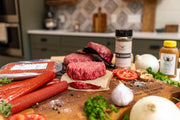
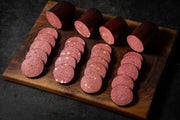
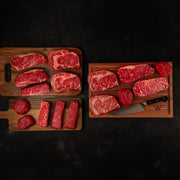

You’ve spent good money on a beautiful piece of Wagyu beef. The marbling looks incredible, the color is perfect, and you’re ready to cook. But here’s the problem: the same techniques that work brilliantly on a USDA Prime ribeye can absolutely destroy Wagyu.
That’s because Wagyu isn’t just “really good beef.” It’s a fundamentally different ingredient that requires a different approach. The intense marbling that makes it special also makes it unforgiving when exposed to excessive heat or poor timing.
In this guide, I’ll share the specific techniques professional chefs use to cook wagyu steak for restaurant-quality results—from proper preparation through final plating. Whether you’re working with American Wagyu or splurging on Japanese A5, you’ll learn exactly how to handle this premium Wagyu so every dollar shows up on the plate.
Introduction to Wagyu Steak
Wagyu steak stands at the peak of premium beef, celebrated worldwide for its luxurious texture, rich flavor, and exceptional tenderness. The word “Wagyu” literally means “Japanese cow,” and refers to specific Japanese cattle breeds that have been carefully selected and raised for their unique genetic ability to develop intense marbling. This marbled fat, woven intricately throughout the muscle, is what sets wagyu beef apart from all other steaks. The result is a steak with a melt-in-your-mouth quality, a deep beefy flavor, and a buttery richness that lingers on the palate.
Wagyu beef is produced in several regions, with Japanese Wagyu being the most revered for its extraordinary marbling and delicate, almost sweet flavor. However, American and Australian producers have also developed their own styles of wagyu steak, often crossbreeding Japanese cattle with local breeds to create beef that balances rich marbling with a more robust, traditional steakhouse profile. Regardless of origin, the hallmark of wagyu is its high fat content and the way this fat transforms the eating experience—delivering a steak that is both juicy and supremely tender.
Whether you’re savoring a classic ribeye, a strip steak, or a filet mignon, wagyu’s intense marbling and luxurious texture make it a true delicacy for steak lovers seeking the ultimate in flavor and mouthfeel.
Restaurant Quality Wagyu Steak in 5 Steps
Before diving into the details, here’s the fast version. This is your do-it-now guide when you have a wagyu steak ready to cook and need clear direction. The deeper explanations come later.
These steps work for a 10–12 oz (280–340 g) American or Japanese Wagyu ribeye or strip, about ¾-inch (2 cm) thick:
Step 1: Remove steak from the fridge, pat completely dry with paper towels, season generously with kosher salt on all sides, and let sit for 30–45 minutes (not more than 60) at room temperature.
Step 2: Preheat a dry cast iron skillet over medium-high heat for 5–7 minutes until very hot (surface temp ~450–500°F / 230–260°C). If you’re curious about the beef’s unique qualities, learn more about Wagyu beef.
Step 3: Render a small cube of trimmed wagyu fat or 1 tsp wagyu tallow in the hot pan for 30 seconds, tilting to lightly coat the surface. No extra oils or butter needed.
Step 4: Sear steak 60–90 seconds per side without moving, flipping once or twice more if needed, until internal temp reaches 120–125°F (49–52°C) for medium rare.
Step 5: Rest 5–7 minutes on a warm plate, then slice against the grain into ¼–½ inch (6–12 mm) slices. Season with a pinch of flaky salt just before serving.
For more ways to enjoy premium beef at home, check out these Wagyu ground beef dinner ideas. And if you're in Wichita, don't miss the new Booth Creek Wagyu & Seafood Shop location for top-quality Wagyu and seafood.
The sections that follow explain why these steps work, plus grill and sous vide options for different situations.

Understanding Wagyu: Why It Must Be Cooked Differently
Wagyu beef comes from specific Japanese cattle breeds selected over generations for extraordinary intramuscular fat in Wagyu ribeye steak. That’s the white marbling running through the muscle—and it changes everything about how this meat behaves in a pan.
Where USDA Prime beef typically contains around 8% intramuscular fat, Wagyu often reaches 20–30% or higher. Japanese A5 or BC40 Wagyu (the highest grade) can hit marbling scores of 10–12 on the BMS scale, with fat so abundant that the beef appears almost pink-and-white striped.
This exceptional marbling creates Wagyu’s signature luxurious texture—the “melts in your mouth” sensation—but it also creates challenges:
-
Lower melting point: Wagyu fat liquefies at body temperature or just above, which means it starts rendering almost immediately when heat is applied
-
Faster cooking: The melting fat conducts heat through the steak more rapidly than lean muscle, so cooking wagyu takes less time than you’d expect
-
Flare-up risk: All that fat renders out quickly, creating smoke and flames if heat isn’t managed carefully
The goal when cooking wagyu isn’t to blast it with high heat until you get a thick crust. Instead, you want to gently render some of that marbled fat while keeping the center at a tender, juicy medium rare (or rare). Push past 135°F internal temperature and the proteins tighten, squeezing out all that beautiful liquefied fat and leaving you with something simultaneously greasy and dry.
Chefs almost always serve Wagyu at 115–130°F (46–54°C) internal temperature. That’s rare to medium rare—the sweet spot where the fat has melted into the muscle fibers but hasn’t been forced out.
One more distinction worth understanding: Japanese A5 Wagyu is so intensely rich that restaurants typically serve it in 3–5 oz portions, often as thin steaks or small cubes. American Wagyu, while still highly marbled, has a slightly beefier flavor profile and works well in 6–10 oz steakhouse-style portions
Selecting the Right Wagyu Cut for Restaurant-Quality Results
The best cuts of Wagyu steak for grilling include ribeye, strip steak, and sirloin.
The cut you choose affects both cooking method and final experience. Here’s how chefs think about selection:
Ribeye is the most marbled cut, with rich fat throughout the eye and the spinalis (cap) section. It’s intensely flavorful and indulgent but requires careful heat control because the fat cap and internal marbling can render very quickly. This is the classic choice for a decadent wagyu experience.
Strip steak (New York strip) has slightly firmer texture and a more defined grain. It’s easier to cook evenly and makes an excellent “first Wagyu” cut for home cooks still learning the technique. The beefy flavor comes through clearly alongside the richness. Strip steaks provide excellent marbling with a firmer texture that holds up well to high heat grilling.
Filet mignon / tenderloin is extremely tender but typically leaner than ribeye or strip, even in Wagyu. For this cut, choose thicker pieces (1½–2 inches) and use gentler heat or sous vide to avoid drying out the exterior before the center warms.
Japanese A5 steaks are often cut thinner (½–¾ inch) or portioned into small blocks specifically because the fat content is so high. Serving smaller portions prevents palate fatigue—that cloying feeling when you’ve had too much richness.
When shopping for wagyu beef, look for:
-
Even marbling distributed across the entire eye, not just concentrated in one section
-
Thickness of ¾–1 inch for pan searing (thicker for reverse-sear or sous vide)
-
Bright, cherry-red meat color with creamy white fat (yellow fat suggests older beef or poor handling)
-
Clear labeling showing breed, origin, and grade
Preparing Wagyu Steak Like a Chef
The work you do before the pan heats up determines at least half your results. Professional kitchens are obsessive about preparation for good reason.
Thawing (if frozen): Place Wagyu in its original packaging on a tray in the refrigerator for 24 hours (thin steaks) to 48 hours (thicker cuts or A5 blocks). Never use a microwave or hot water—rapid thawing damages the delicate texture and causes uneven cooking.
Drying the surface: After thawing, remove packaging and pat the steak completely dry on all sides. For even better results, leave it uncovered in the fridge for 4–12 hours to air-dry the surface. A dry surface means better browning and a crispier exterior.
Tempering: Bring the steak out of the refrigerator 30–45 minutes before cooking to take the chill off. This allows the steak to cook evenly without the center staying cold while the outside overcooks. Don’t exceed 2 hours at room temperature for food safety.
Seasoning: Use medium or coarse kosher salt before cooking—nothing else is strictly necessary. The natural flavor of premium wagyu is so good that elaborate rubs and marinades actually work against you. Optionally add freshly ground black pepper right before the steak hits the pan.
What to avoid: Heavy marinades, sugary rubs, and anything that will burn in a hot pan. Wagyu’s rich flavor needs enhancement, not competition.
Finishing touches (after cooking): A sprinkle of flaky sea salt, a few drops of good soy sauce, or ponzu drizzled over sliced steak works beautifully. Apply these after slicing, not before cooking.
Optional: How to Properly Thaw Premium Wagyu
Getting thawing right protects your investment in premium beef:
|
Method |
Temperature |
Time for ½–¾ inch steaks |
Time for 1½–2 inch cuts |
|
Refrigerator thaw |
34–38°F (1–3°C) |
12–24 hours |
36–48 hours |
|
Cold water thaw |
40°F (4°C) water, changed every 30 min |
45–60 minutes |
75–90 minutes |
For cold water thawing, keep the steak sealed in a zip bag and submerge in cold water. Change the water every 30 minutes until the meat is pliable but still cold.
Once thawed, wagyu steak can rest in the refrigerator for up to 2 days before cooking if kept well wrapped and cold.
The Importance of Bringing Wagyu to Room Temperature
One of the most overlooked secrets to cooking wagyu steak perfectly is allowing it to come to room temperature before it ever touches the pan. This simple step is crucial for cooking wagyu evenly, especially when working with thin steaks that can go from raw to overcooked in a matter of seconds. By letting your wagyu steak rest at room temperature for about an hour, you ensure that the entire cut warms up gently and consistently, which helps the steak cook quickly and evenly once it hits the heat.
Bringing wagyu to room temperature also allows the natural enzymes in the meat to work their magic, subtly breaking down proteins and enhancing the steak’s tender texture and rich flavor. This is particularly important when cooking wagyu, as its high fat content and intense marbling mean that even slight temperature differences can affect the final result.
For thin steaks, this step is even more critical—starting with a cold steak can lead to an overcooked exterior and an underdone center, robbing you of that perfect, juicy bite. Taking the time to temper your wagyu before cooking is a small investment that pays off with a steak that cooks quickly, evenly, and delivers the full spectrum of wagyu’s luxurious qualities.
How Much Should You Season Wagyu?
The minimalist approach isn’t laziness—it’s strategy. Here’s the chef’s reasoning:
-
True wagyu already carries intense sweetness and umami from its fat content. Additional flavors compete rather than complement.
-
Salt applied 30+ minutes before cooking dissolves into the surface moisture and slightly penetrates the meat, enhancing flavor throughout.
-
Freshly ground pepper can burn at high searing temperatures. Add it right before the steak hits the pan, or wait until after cooking.
-
Finishing options used in restaurants include a tiny knob of unsalted butter melting over sliced steak, fresh chives, or a light drizzle of rendered fat.
-
Flavored salts (smoked, yuzu, truffle) should be applied sparingly at the table, not during cooking when they can overpower or burn.
Pan-Searing Wagyu: The Chef’s Preferred Technique
This is the method most professional chefs use for cooking wagyu in a controlled environment. The pan sear technique is chef-preferred for Wagyu steak, as it allows precise control over fat rendering and flavor development. A heavy pan lets you manage fat rendering, control heat precisely, and avoid flare-ups.
Why cast iron: A cast iron pan retains heat exceptionally well, creating consistent searing temperature. Heavy stainless steel works too, but cast iron’s thermal mass is ideal for achieving a golden brown crust without temperature drops when the cold steak hits the surface.
Pan preheat: Set a bare cast iron skillet over medium-high heat for 5–7 minutes. Test by flicking a drop of water onto the surface—it should skitter and evaporate almost instantly. Target surface temperature is 450–500°F (230–260°C).
Fat management: Render a thumbnail-sized piece of trimmed wagyu fat or add 1–2 tsp wagyu tallow to the preheated pan. Swirl to lightly coat the cooking surface, then discard any solid pieces. You don’t need additional oil—the steak’s abundant fat renders out during cooking.
Beef tallow is derived from the rendered fat of cattle, particularly from the suet surrounding the loins and kidneys. Wagyu beef tallow is distinguished by its rich flavor and texture, enhancing the culinary experience. The rendering process of beef fat into tallow involves cooking down the fat to separate the pure fat from any residual meat and impurities.
Beef tallow has a high smoke point, making it ideal for frying and sautéing a variety of dishes, and it can enhance the flavor of vegetables, meats, and even baked goods. Grass-fed beef tallow is known for its higher concentrations of omega-3 fatty acids and conjugated linoleic acid (CLA), which have anti-inflammatory properties. Using beef tallow in cooking reflects a commitment to sustainable and nutrient-dense dietary practices.
Cooking times for ¾-inch steaks:
-
First side: 60–90 seconds without moving (let the crust form)
-
Flip once, cook another 60–90 seconds
-
Adjust heat to medium if the fat smokes excessively
For thicker steaks (1–1¼ inch):
-
90 seconds per side initially
-
Reduce heat to medium heat
-
Add 1–2 additional brief flips, basting with spooned hot fat
-
Total cooking time approximately 4–5 minutes
Internal temperature targets:
|
Doneness |
Pull Temperature |
After Rest |
|
Rare |
115–120°F (46–49°C) |
118–125°F |
|
Medium rare |
120–125°F (49–52°C) |
125–130°F |
|
Medium doneness |
130–135°F (54–57°C) |
135–140°F |
Use an instant-read meat thermometer inserted from the side for accurate readings. Unlike standard beef, you should pull Wagyu slightly under your target temperature—carryover cooking during rest will bring it up.

Butter-Basting: When and How to Use It
The classic restaurant technique of arroser (butter-basting) works beautifully with Wagyu—when used with restraint.
When to use it: Butter-basting works best for thicker American wagyu steak cuts. Ultra-fatty Japanese A5 steaks already have so much rendered fat that adding butter can make them cloying.
The technique:
-
During the last 60–90 seconds of cooking, add 1 tbsp unsalted butter, 1 smashed garlic clove, and a sprig of thyme or rosemary to the pan
-
Tilt the pan toward you so the fat-butter mixture pools at the edge
-
Use a large spoon to rapidly baste the foaming liquid over the top of the steak
-
Continue for 45–60 seconds, coating the surface repeatedly
Critical warning: Never start with butter in the pan. It will burn long before the crust develops at proper searing temperatures. Butter goes in at the end, after the Maillard reaction has done its work.
Chef’s Timeline for a ¾-Inch American Wagyu Strip
Here’s a concrete example of the entire cooking process:
|
Time |
Action |
Notes |
|
0:00 |
Steak out of fridge, pat dry, season with salt and pepper |
Use kosher salt generously |
|
0:30 |
Begin preheating cast iron pan |
Medium-high heat, no oil yet |
|
0:35 |
Add rendered wagyu fat to pan |
Small piece, swirl to coat |
|
0:36 |
Sear place steak in pan |
Away from you to prevent splatter |
|
0:37:30 |
Flip steak |
Golden brown crust should be visible |
|
0:39 |
Check internal temp |
Pull at 120–123°F for medium rare |
|
0:39–0:45 |
Steak rest on warm plate |
Tent loosely with foil |
|
0:45+ |
Slice against grain and serve |
Add flaky salt |
Grilling Wagyu Without Ruining It
Many chefs avoid direct grilling for Wagyu because of fat content and flare-up risk. But with the right setup, you can get that charred, smoky flavor without disaster.
Two-zone fire setup: Configure your grill with one side at high heat (450–500°F / 230–260°C) for searing and the other at medium-low (300–350°F / 150–175°C) for finishing. This gives you an escape zone when flare-ups happen, perfect for grilling items like Wagyu summer sausage.
The chef’s secret: Place a cast iron pan or flat griddle directly over the hot coals or burner. This lets the steak cook in its own rendered fat rather than dripping directly onto flames.
Searing on the griddle:
-
60–90 seconds per side over direct heat
-
Flip once or twice maximum
-
Stop as soon as you have a crispy exterior with char marks
Finishing:
-
Move the steak (in the pan or directly on grates) to the indirect zone
-
Cook 1–3 more minutes, checking internal temp frequently with your meat thermometer
-
Pull at your desired temperature
Flare-up management:
-
Keep the lid closed as much as possible to limit oxygen
-
Move steak off direct flames immediately if fat ignites
-
Never press down on the meat (this squeezes out precious juices and causes flare-ups)
For very high-grade Japanese Wagyu, many chefs will only kiss it with direct grill marks for 30–45 seconds per side and serve it very rare. The goal is flavor enhancement, not extended cooking. Another delicious way to enjoy this premium beef is with Wagyu Steak Tip Nachos, which are perfect for entertaining.
Managing Wagyu Fat on the Grill
Fat management is the difference between a perfect grilled Wagyu and a charred, bitter mess:
-
Trim excess exterior fat cap to about ¼ inch before grilling. Save the trimmings to render in a pan for cooking vegetables or future steaks.
-
Keep a cooler zone ready at all times so you can move the steak instantly when fat drips and flames spike.
-
Avoid spraying water on flames—it kicks up ash and drops grill temperature abruptly, affecting crust development.
-
Use long tongs and minimal flipping (every 60–90 seconds maximum) to maintain a controlled, even sear.
Sous Vide & Reverse-Sear for Precision Cooking
These are the “chef-lab” methods that deliver edge-to-edge consistency. If you’ve invested in expensive wagyu beef, these techniques minimize the risk of overcooking.
Sous vide basics: Seal seasoned wagyu steak in a vacuum bag and cook in a precisely controlled water bath, then finish with a hard sear.
Recommended sous vide temperatures and times:
|
Doneness |
Water Bath Temp |
Time (1–1½ inch steaks) |
|
Rare |
120°F (49°C) |
1–2 hours |
|
Medium rare |
126°F (52°C) |
1–2 hours |
|
Medium |
135°F (57°C) |
1–2 hours |
Do not exceed 3 hours below 130°F for food safety.
Finishing after sous vide:
-
Remove steak from bag and pat extremely dry (excess moisture prevents browning)
-
Heat cast iron until smoking hot
-
Add a small amount of wagyu tallow
-
Sear 45–60 seconds per side—just enough to form a golden brown crust
Reverse-sear method:
-
Slowly bake or grill steak at 225–250°F (107–121°C) until internal temp reaches 100–105°F
-
Rest briefly (3–5 minutes)
-
Sear hard in a ripping-hot cast iron pan with wagyu fat, 45–60 seconds per side
Reverse-sear works best for thicker American Wagyu cuts. Ultra-marbled Japanese A5 is usually too rich for extended low-and-slow cooking—the fat renders excessively before the cooking process even finishes.
When to Choose Sous Vide for Wagyu
This method isn’t for everyone, but it solves specific problems:
-
Very thick steaks (over 1½ inches): Sous vide ensures the center reaches your desired temperature without overcooking the exterior
-
Multi-course dinners: You can hold cooked steaks in the water bath until ready to sear and serve
-
Cooking for a crowd: Every steak comes out at exactly the same desired doneness
The tradeoff: sous vide slightly softens the outer texture, which makes a strong finishing sear crucial for that crispy exterior. Restaurants often use this approach—cook sous vide for consistency, then sear to order for the perfect sear.
Achieving Perfect Doneness with Wagyu
Cooking wagyu steak to the perfect doneness is all about precision and respect for the steak’s unique qualities. The goal is to highlight wagyu’s tender texture and rich, beefy flavor by aiming for a medium rare finish, where the marbled fat is just melted and the meat remains juicy and succulent. To achieve this, a meat thermometer is your best friend—monitoring the internal temperature ensures you never overcook this precious cut. For medium rare, target an internal temperature between 130°F and 135°F, pulling the steak from the heat just before it reaches your desired doneness to account for carryover cooking during the rest.
A cast iron pan or skillet is the tool of choice for most chefs when cooking wagyu. Its ability to retain and distribute heat evenly means you can achieve a perfect sear and a golden brown crust without risking overcooking the interior. Cooking over medium heat, with just a touch of wagyu tallow or a small amount of oil, allows the steak to develop a flavorful exterior while the inside stays tender and moist.
Once your wagyu steak is cooked, don’t skip the rest. Letting the steak rest for several minutes on a warm plate allows the juices and rendered fat to redistribute throughout the meat, resulting in a more tender and flavorful bite. This final step is essential for preserving the steak’s luxurious texture and ensuring every slice delivers the full, rich flavor that makes wagyu truly unforgettable.
Resting, Slicing, and Serving Like a Restaurant
The final steps separate home cooking from restaurant presentation. These details are where the “chef’s secrets” really shine.
Resting: Place cooked wagyu steak on a warm plate or wire rack. Tent loosely with foil. Rest 5–10 minutes depending on thickness.
Why it matters: During cooking, muscle fibers tighten and push moisture toward the surface. Resting allows the protein matrix to relax, reabsorbing the precious juices (including melted fat) back into the meat. Cut too soon and those juices end up on your cutting board instead of in each bite.
Carryover cooking: Internal temperature typically rises 3–5°F during rest. Account for this when deciding when to pull from heat—if you want 125°F final temp, pull at 120–122°F.
Slicing technique:
-
Identify the grain direction (the parallel lines of muscle fiber)
-
Slice perpendicular to the grain in ¼–½ inch slices
-
Use a sharp slicing or chef’s knife with smooth strokes
-
Shorter fibers per bite = more tender texture
Serving approach:
-
Present smaller portions (3–5 oz per person) for rich Japanese Wagyu
-
Fan slices on a warm plate to show off the pink interior
-
Apply finishing salt to each slice, not the whole steak at once
Chef-style finishing touches:
-
A pinch of flaky sea salt on each slice
-
Garlic chips fried in wagyu fat scattered around the plate
-
A small dish of ponzu or soy sauce on the side for dipping
-
Fresh microgreens or a few drops of high-quality olive oil

Traditional and Modern Accompaniments
The rich flavor of Wagyu calls for sides that refresh the palate rather than compete for attention.
Japanese-inspired pairings:
-
Garlic fried rice (simple, lets the beef shine)
-
Pickled daikon or ginger
-
Blistered shishito peppers with sea salt
-
Ponzu or citrus soy sauce for dipping
-
Steamed white rice
Western-style sides:
-
Pommes purée (silky mashed potatoes)
-
Grilled vegetables or roasted root vegetables
-
Buttered green beans with lemon zest
-
Simple grilled asparagus
-
Lightly dressed arugula salad
Traditional accompaniments in Japanese restaurants often include wasabi, grated daikon, and soy sauce—all designed to cut richness and cleanse the palate between bites.
The key is restraint. Wagyu is already extremely rich, so avoid heavy cream sauces, bacon-loaded sides, or anything that adds more fat to an already indulgent meal.
Common Wagyu Mistakes (and How Chefs Avoid Them)
Even experienced cooks make these errors when they first work with wagyu beef cuts:
|
Mistake |
Why It’s a Problem |
The Fix |
|
Overcooking past medium |
Protein tightens and squeezes out fat, leaving meat dry and greasy |
Pull at 115–125°F internal; trust carryover heat |
|
Using high flames and open grates |
Causes flare-ups and bitter, charred exterior |
Cook in cast iron, even on a grill |
|
Heavy marinades or strong rubs |
Overwhelms the tender texture and natural flavor |
Stick to salt and pepper; finish with light garnishes |
|
Cutting immediately after cooking |
Releases juices onto the board instead of keeping them in meat |
Always let steak rest at least 5 minutes |
|
Using cold or wet meat |
Steams instead of sears; can’t form proper crust |
Pat dry thoroughly; temper 30–45 minutes |
|
Overcrowding the pan |
Drops temperature and creates steam |
Cook one or two steaks at a time |
|
Adding too much oil or butter |
Creates shallow-frying instead of searing |
Use only a thin coat of rendered fat |
Sourcing Real Wagyu for Restaurant-Quality Results
The best technique in the world won’t help if you’re starting with mislabeled or low-quality beef. Here’s how to find the real thing:
Understanding the labels:
-
Japanese Wagyu comes from Japan and is graded A1–A5 (A5 being highest). Look for specific prefectures like Kobe, Miyazaki, or Kagoshima on the label.
-
American Wagyu is raised in the US from Wagyu cattle such as Booth Creek Wagyu (often crossbred with Angus). Quality varies widely—look for marbling scores of BC10-BC40 or brand ratings.
-
Australian Wagyu follows a similar model to American, with varying percentages of Japanese wagyu cattle genetics.
Red flags to avoid:
-
“Wagyu-style” or “Kobe-style” labels (these are marketing terms with no legal meaning)
-
Generic “Wagyu” without breed, origin, or grade information
-
Prices that seem too good to be true (true wagyu is expensive)
Where to buy:
-
Specialty butchers who can show you the marbling and explain the sourcing
-
Established online purveyors like Booth Creek Wagyu.
-
Look for blast-chilled shipping, packaging dates, and marbling scores listed
Starting recommendation: Begin with an American wagyu steak—ribeye or strip from a reputable source. Master the cooking methods on these more forgiving (and less expensive) cuts before exploring true Japanese A5.
Premium quality Wagyu represents a significant investment. The difference between a memorable meal and an expensive disappointment comes down to proper sourcing, preparation, and technique. Every step matters.
Key Takeaways
-
Wagyu’s high fat content means it cooks faster and at lower temperatures than regular beef
-
Medium rare (120–130°F) is the sweet spot where fat renders while staying juicy
-
A cast iron pan gives you the control needed for optimal flavor development
-
Season minimally—kosher salt before cooking, finishing salt after slicing
-
Rest at least 5 minutes, then slice thin against the grain
-
Start with American Wagyu to learn the technique before investing in Japanese A5
The “chef’s secrets” for cooking wagyu steak aren’t really secrets at all—they’re the result of understanding what sets wagyu apart and adjusting technique accordingly. Once you internalize these principles, you’ll consistently produce restaurant-quality results in your own kitchen.
Now grab that beautiful steak, fire up your cast iron, and cook with confidence.