

The Secret is in the Sear: Unlocking Epic Flavor with Wagyu Bavette Steak
The difference between a good steak and an extraordinary one often comes down to a single, crucial moment—the sear. When proteins meet intense heat, a transformation occurs that separates restaurant-quality results from home cooking disappointments. This is especially true when you cook bavette steak, particularly the premium wagyu bavette that has taken the culinary world by storm.
The word 'bavette' is a French word meaning 'bib,' referencing the cut's fan-shaped appearance and its origin in French butchery. Each cow only yields about 2-4 pounds of whole bavette steak, making it a less common and harder to obtain cut.
Unlike more familiar cuts from the short loin, bavette steak represents a butcher’s secret that’s finally gaining the recognition it deserves. This flavorful steak, also called flap steak or sirloin flap steak, is prized for its juiciness and tenderness. It delivers an intensity of flavor that rivals much more expensive cuts. Bavette steak is considered a butcher's cut, often saved for butchers themselves due to its unique flavor and tenderness. But here’s the thing—without proper searing technique, even the finest wagyu bavette can fall flat.
Unlocking epic flavor with wagyu bavette steak requires understanding both the science behind high-heat cooking and the unique characteristics that make this cut of beef so exceptional. Sirloin bavette (another name for this steak) is often compared to hanger steak for its rich flavor and texture. Whether you’re grilling bavette steak on a hot grill or working with a cast iron skillet on your stovetop, mastering the sear will transform your cooking and deliver a juicy steak with epic flavor that rivals the best steakhouses.
The Searing Secret: Why High Heat Transforms Wagyu Bavette
The magic happens through the Maillard reaction—a complex chemical process that occurs when proteins and sugars are exposed to high temperatures above 300°F. This reaction creates hundreds of new flavor compounds, producing the nutty, roasted, and deeply savory notes that make a perfectly seared steak irresistible.
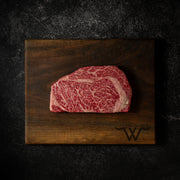
Wagyu bavette’s rich marbling makes it particularly well-suited for aggressive searing techniques. The intramuscular fat, which can reach 20-40% in premium cuts, begins to render and baste the meat from within while the surface develops that coveted golden-brown crust. Notably, wagyu bavette is higher in saturated fat compared to leaner cuts, which contributes to its rich flavor and luxurious texture. Wagyu's abundant marbling renders fat that acts as a natural tenderizer and flavor enhancer, requiring careful heat management to prevent burning. This dual process—exterior browning and interior fat rendering—is what transforms a simple piece of beef cut into a transcendent dining experience.
Temperature control becomes critical when working with this delicious cut. The sweet spot for developing the perfect sear falls between 450-500°F, hot enough to trigger rapid Maillard reactions without burning the exterior before the interior reaches the desired doneness. Only a very thin coating of high smoke-point oil is needed when cooking wagyu steak due to its high fat content. This is where proper technique separates great cooks from those who merely follow bavette steak recipe instructions without understanding the underlying principles.
The brief but intense heat exposure required for optimal searing also means you can achieve restaurant-quality results in a home kitchen. Unlike slow-cooking methods that require hours of attention, the secret is in the sear: unlocking extraordinary flavor with wagyu bavette steak takes just minutes when done correctly.
What Makes Wagyu Bavette Special for Searing
Wagyu bavette stands apart from conventional flap meat in several crucial ways that make it exceptional for high-heat cooking. The superior intramuscular fat distribution creates a natural basting system that keeps the tender meat moist even under intense heat. This rich marbling, often graded at BC20-BC40, ensures that aggressive searing techniques won’t dry out the steak.
The cut’s typical 1-2 inch thickness provides the ideal surface area for developing a substantial crust without overcooking the interior. Unlike thinner cuts such as skirt steak that can quickly become tough, or thicker cuts that require longer cooking times, bavette steak occupies the perfect middle ground for home cooks seeking steakhouse results.
This bottom sirloin cut also offers more forgiving cooking characteristics than leaner alternatives like flank steak. The abundant intramuscular fat acts as insurance against slight overcooking, maintaining juiciness even if you push the internal temperature slightly beyond your target. This makes wagyu bavette an excellent choice for cooks still developing their high-heat cooking confidence.
When compared to other beef cuts in the same price range, wagyu bavette delivers exceptional value. The rich beefy flavor rivals more expensive cuts, while the enhanced marbling ensures consistent results that justify the investment in premium beef. Local butcher shops and Booth Creek Wagyu increasingly stock this cut as demand grows among home cooks who understand its potential. Wagyu bavette is also featured in many steak recipes thanks to its versatility and exceptional flavor.
Buying and Preparing Wagyu Bavette Steak
When it comes to buying wagyu bavette steak, sourcing is everything. For the best results, seek out a trusted local butcher shop or a specialty grocer such as Booth Creek Wagyu. Wagyu bavette, sometimes called sirloin flap steak or simply flap steak, is a prized cut of beef from the bottom sirloin. Its rich flavor and tender texture set it apart from more common cuts, making it a favorite among steak enthusiasts. Don’t be surprised if it’s confused with flank steak—while both are long, flat cuts, bavette steak boasts a deeper, beefier flavor and a more luxurious mouthfeel.
Before you cook bavette steak, let it come to room temperature. This simple step ensures even cooking and helps you achieve that perfect medium rare steak.
Allow the steak to rest at room temperature for 30-45 minutes before cooking to promote even cooking.
Pat the steak dry thoroughly with paper towels to remove any surface moisture—this is crucial for developing a beautiful crust whether you’re using a cast iron skillet, grill pan, or firing up a hot grill.
Season generously with kosher salt and freshly cracked black pepper.
For an extra layer of flavor, consider a quick marinade: combine soy sauce, olive oil, and fresh garlic for a classic blend that enhances the steak’s natural richness.
If you want to take your bavette steak recipe up a notch, try marinating the meat for at least 30 minutes. Ingredients like soy sauce, sesame oil, and ginger infuse the beef with umami and help tenderize the muscle fibers, resulting in a more flavorful steak. Just be sure not to over-marinate, as wagyu’s delicate texture shines best with a light touch.
When it’s time to cook, preheat your cast iron skillet or grill pan over medium high heat until it’s nearly smoking. For grilling, set your gas grill to medium-high or get your charcoal grill blazing hot. Sear the steak on each side to lock in juices and create a savory crust, using a meat thermometer to monitor the internal temperature. Aim for 125-130°F for a perfect medium rare—this preserves the steak’s juicy, tender texture and highlights its rich flavor.
After cooking, let your steak rest on a cutting board for 5-10 minutes. This allows the juices to redistribute, ensuring every bite is succulent and satisfying. Slice against the grain for maximum tenderness, and serve immediately for the best experience.
Wagyu bavette steak is a delicious cut of meat that’s perfect for special occasions or whenever you want to treat yourself to something extraordinary. Whether you grill, pan-sear, or broil, this cut delivers a rich beefy flavor that’s sure to impress.
Essential Equipment for Perfect Searing
Success with wagyu bavette begins with the right tools.
A cast iron skillet or cast iron pan provides superior heat retention and even cooking compared to lightweight alternatives. The thermal mass of cast iron maintains consistent temperature even when cold steak hits the surface, ensuring uninterrupted Maillard reactions.
High smoke point oils are non-negotiable for proper searing. Avocado oil, grapeseed oil, or refined olive oil—all with smoke points above 400°F—prevent burning and off-flavors that can ruin an expensive piece of meat. Avoid using butter or low smoke point oils during the initial sear, saving these for finishing touches.
An instant-read thermometer or meat thermometer takes the guesswork out of achieving perfect doneness. While visual cues and finger tests have their place, precision temperature monitoring ensures you hit that perfect medium rare target every time. This is particularly important with premium wagyu bavette where overcooking wastes both money and flavor potential.
Paper towels might seem mundane, but they’re essential for removing surface moisture before searing. Wet steak steams rather than sears, preventing the chemical reactions that create flavor. Use paper towels to pat the steak completely dry before cooking, as excess moisture inhibits the Maillard reaction crucial for forming a crust. A proper sear requires a completely dry surface, making those paper towels as important as your cast iron pan.
Additional helpful tools include tongs for flipping (never pierce with a fork), a timer for consistent results, and a cutting board dedicated to meat preparation. Having everything ready before you start cooking ensures smooth execution during the critical searing phase.
Step-by-Step Searing Technique
Remove your wagyu bavette from the refrigerator 45-60 minutes before cooking to allow it to reach room temperature. This step ensures even cooking from edge to center and reduces the temperature gradient that can create overcooked outer layers while the center remains cool.
Pat the steak completely dry with paper towels and season generously with kosher salt and freshly cracked pepper or black pepper.
Some cooks prefer to add fresh garlic or other seasonings at this stage, but high-quality wagyu bavette often shines brightest with minimal seasoning that doesn’t compete with the beef’s natural flavors.
If you choose to use a marinade, typical marinade ingredients for bavette steak include olive oil, soy sauce, garlic, fresh herbs, and a splash of citrus or vinegar. The marinating process involves combining these ingredients and letting the steak rest in the mixture for at least 30 minutes, or up to 4 hours, to allow the flavors to penetrate and enhance both tenderness and taste.
Preheat your cast iron skillet over medium high heat for 5-7 minutes until it’s smoking hot. This extended preheating ensures the entire surface reaches optimal temperature. You’ll know it’s ready when a few drops of water instantly sizzle and evaporate on contact.
Add a thin layer of high smoke point oil to the hot pan and immediately place the steak in the pan. The oil should shimmer and move freely across the surface. Position the steak away from you to prevent oil splatter, and resist the urge to move or press down on the meat.
Sear undisturbed for 3-4 minutes to develop a golden crust, then flip once using tongs. The steak should release easily from the pan when properly seared. If it sticks, it needs more time. For a 1-inch thick steak, the recommended cook time is 3-4 minutes per side for medium rare, or adjust based on thickness and desired doneness. Cook an additional 2-3 minutes for medium rare, targeting an internal temperature of 125-130°F.
Temperature and Timing Guidelines
Doneness Level
Internal Temperature
Approximate Timing (1-inch thick)
Rare
120°F
2-3 minutes per side
Medium Rare
125-130°F
3-4 minutes per side
Medium
135°F
4-5 minutes per side
Visual cues for perfect sear include a golden-brown color with slight caramelization around the edges. The surface should look crispy and feel firm to gentle touch. Avoid the temptation to check doneness by cutting into the steak during cooking—this releases precious juices.
Thickness affects timing significantly. A 1.5-inch thick piece will need an additional 1-2 minutes per side compared to standard 1-inch cuts. For thicker bavette steaks, the reverse sear method ensures perfect edge-to-edge doneness without overcooking the exterior. Always use your meat thermometer for accuracy, especially while developing your intuition for this cut.
Resting and Slicing for Maximum Impact
Once your steak reaches the desired doneness, remove steak from heat and let it rest on a cutting board for 8-10 minutes. This resting period allows juices to redistribute throughout the tender meat, preventing them from running out when you slice. For optimal juiciness and texture, cooked bavette should always be allowed to rest before slicing. Cover loosely with foil if you’re concerned about heat loss, but avoid wrapping tightly as this can soften the carefully developed crust.
Proper slicing technique is crucial for maximizing tenderness in this grain-forward cut. Before cooking, take note of the muscle fiber direction—this becomes harder to see after the steak is cooked. The fibers in bavette run in clear, parallel lines across the meat.
Slice against the grain at a 45-degree angle using a sharp knife. This technique shortens the muscle fibers in each bite, significantly improving the eating experience. Cutting with the grain, a common mistake, results in chewy, stringy bites that diminish the wagyu bavette experience.
Aim for slices about ¼ to ½ inch thick. Thinner slices showcase the meat’s tenderness and create elegant presentation, while thicker cuts provide more substantial bites. The angled cut also increases surface area, allowing any finishing salts or sauces to coat more of the meat.
Serve immediately after slicing to preserve temperature and texture. The contrast between the warm, juicy interior and the crispy crust represents the pinnacle of steak cookery when executed properly. For any leftovers, store cooked steak in an airtight container in the refrigerator and reheat gently to maintain its quality.
Flavor Enhancement Techniques
Fresh herb aromatics like thyme, rosemary, or sage infuse subtle flavors without overwhelming the beef. Add these during the butter basting stage rather than at the beginning to prevent burning. The herbs release their oils into the hot butter, creating an aromatic bath for the steak.
Finishing touches make the difference between good and exceptional. A pinch of flaky salt just before serving enhances the crust’s texture and brightens the flavor. Similarly, a few turns of fresh cracked pepper add aromatic heat that complements the rich beef flavor.
For Asian-inspired preparations, a light brush of soy sauce during the final moments of cooking creates additional umami depth. This technique works particularly well when serving the steak in stir fry applications or over rice.
Common Searing Mistakes to Avoid
Moving or pressing the steak during searing is perhaps the most common error home cooks make. This prevents proper crust development and can cause sticking. Once the meat hits the hot surface, resist all urges to peek, prod, or adjust until it’s time to flip. Trust the process and timing.
Using insufficient heat results in gray, steamed meat instead of the desired golden sear. Your pan must be smoking hot before the steak goes in. If you’re unsure about temperature, test with a drop of water—it should sizzle and evaporate immediately on a properly heated surface.
Overcrowding the pan drops the surface temperature and creates uneven cooking. Cook steaks individually or use multiple pans rather than cramming pieces together. Each steak needs space for proper heat circulation and steam release.
Skipping the resting period causes significant juice loss when cutting too early. That perfectly seared steak becomes disappointing when bright red juices pool on your cutting board instead of staying in the meat. Patience during resting pays dividends in the final result.
Using wet meat is another critical error. Any surface moisture must be removed with paper towels before seasoning and searing. Wet surfaces steam rather than sear, preventing the Maillard reactions that create flavor and color.
Serving Suggestions and Wine Pairings
Simple side dishes work best with perfectly seared wagyu bavette. Roasted vegetables like Brussels sprouts or asparagus provide earthy contrast without competing for attention. Garlic mashed potatoes offer comfort and richness that complements the beef, while their creamy texture contrasts beautifully with the steak’s firm bite.
Red wine pairings should match the intensity of the beef. Cabernet Sauvignon’s bold tannins stand up to the rich flavor, while Malbec offers fruit-forward balance. Bordeaux blends provide complexity that mirrors the steak’s depth of flavor. Choose wines with enough structure to complement rather than be overwhelmed by the meat.
For presentation, arrange sliced steak on warmed plates with sides placed thoughtfully around the edges. The visual impact of properly sliced bavette—with its grain visible in cross-section and the contrast between crust and interior—makes an impressive centerpiece for any dinner.
Store leftover seared wagyu bavette in the refrigerator for up to 3 days. Reheat gently in a low oven or enjoy cold in salads. The investment in quality beef means even leftovers provide exceptional meals when handled properly.
Consider serving styles from different culinary traditions. French steak frites presentation emphasizes simplicity and technique, while Latin-inspired serving with warm tortillas and fresh salsa highlights the meat’s versatility. Asian preparations might include steamed rice and vegetable sides that allow the beef to remain the star. Grilled bavette steak is also a delicious option for outdoor gatherings or summer meals, offering a smoky, tender bite that’s perfect for sharing.
To enjoy this specialty cut at home, buy bavette steak from a local butcher, farmer's market, or a reputable online source such as Booth Creek Wagyu, as it can be rare in typical grocery stores.
Conclusion
By understanding the science behind high-heat cooking and respecting the unique characteristics of this premium beef cut, home cooks can achieve results that rival the finest steakhouses.
From selecting the right equipment to executing perfect timing, every step in the process contributes to the final result. The Maillard reactions that occur during proper searing create complex flavors impossible to achieve through other cooking methods, while wagyu bavette’s superior marbling ensures juiciness and tenderness throughout.
Whether you source your steak from a local butcher shop or specialty supplier, the techniques outlined here will help you maximize your investment in quality ingredients. Remember that great cooking begins with great products, but technique transforms good ingredients into extraordinary meals.
The next time you’re planning a special dinner, consider wagyu bavette. This delicious steak rewards proper treatment with flavors that will have your guests asking for your secrets. The answer is simple: the secret is in the sear.
Read More

Wagyu Brisket: The Ultimate Guide to Smoking a Wagyu Brisket
When you invest in authentic wagyu brisket, you’re not just buying meat—you’re purchasing an experience that demands precision, patience, and proper technique. This premium cut represents the intersection of Japanese American cattle breeding excellence and American barbecue tradition, creating opportunities for truly exceptional results that justify the investment.
Smoking a wagyu brisket successfully requires understanding how its unique characteristics differ from conventional beef. The intense marbling, different fat composition, and premium price point mean that every step in the process matters more than with regular brisket. Booth Creek Wagyu briskets are rich with spectacular marbling and unbeatable tenderness. This comprehensive guide will walk you through every aspect of smoking wagyu brisket, from initial preparation through final slicing, ensuring you maximize both flavor and tenderness while avoiding costly mistakes.
Whether you’re working with American wagyu from Booth Creek Wagyu or splurging on authentic Japanese A5 wagyu, the techniques in this guide will help you achieve restaurant-quality results at home. Authentic American Wagyu offers a rare and prized BC40 Wagyu brisket that is highly marbled and flavor-packed. Let’s dive into what makes wagyu brisket the ultimate smoking challenge and how to master it.
Why Wagyu Brisket is Perfect for Smoking and Flavor
The rich marbling content in wagyu brisket, which can reach up to 30% fat, creates a natural basting system during the smoking process that’s impossible to replicate with conventional beef. Unlike regular brisket where you rely primarily on the external fat cap for moisture, wagyu’s intramuscular fat distributes throughout the meat, continuously lubricating muscle fibers as they render during the long, slow cook. If you're interested in exploring other premium wagyu cuts, check out our Wagyu bavette steak selection.
The higher melting point of wagyu fat, around 70°F compared to conventional beef fat, provides a crucial advantage during smoking. This characteristic prevents the fat from rendering too quickly at standard smoking temperatures of 225-250°F, maintaining moisture and preventing the dreaded dry, overcooked texture that can ruin an expensive cut. The fat renders gradually, allowing time for collagen breakdown while preserving the meat’s integrity.
Dense muscle fibers in wagyu brisket hold smoke flavor more effectively than conventional beef brisket. The marbling creates additional surface area within the meat for smoke penetration, resulting in deeper, more complex flavor development throughout the cut rather than just on the exterior bark. This means every bite delivers the rich, smoky profile you’re working to achieve.
Premium grades deliver superior results, with each grade offering distinct characteristics: Booth Creek Wagyu briskets offer exceptional grades of BC10-BC40, ensuring unmatched quality and taste.
Grade
Digital Marbling Score
Flavor
Ideal Use
BC40
40%+
Similar flavor of A5 Japanese Wagyu
Special occasions
BC30
30-39%
Classic buttery Wagyu flavor
Premium smoking
BC20
20-29%
Richer beefy flavor
Elevated smoking
BC10
10-19%
Traditional beefy flavor
Entry-level wagyu
The key advantage of choosing wagyu for smoking lies in its forgiving nature once you understand its characteristics. The abundant marbling provides built-in insurance against overcooking, while the superior flavor profile means even minor technique variations can still produce exceptional results compared to conventional brisket. Wagyu brisket's high intramuscular marbling keeps it moist and flavorful.
Preparing Your Wagyu Brisket for Smoking
Proper preparation begins 48-72 hours before you plan to smoke, as a 12-16 pound wagyu brisket requires careful thawing in the refrigerator on the lowest shelf. Never rush this process with warm water or countertop thawing, as the premium fat content can begin to deteriorate if exposed to temperature fluctuations. Plan for approximately 24 hours of thaw time per 5 pounds of meat.
Trimming a wagyu brisket requires a different approach than conventional beef. The fat cap should be trimmed to only 1/4 inch thickness, significantly less than the typical 1/2 inch recommended for regular brisket. Trim the hard fat cap down to an even 1/4 inch thickness to allow fat to render without making the meat greasy. The abundant internal marbling means you need less external fat protection, and over-trimming wastes expensive meat while under-trimming can prevent proper bark formation and smoke penetration.
Remove silver skin and hard fat deposits systematically while preserving the natural marbling patterns visible throughout the meat. Use a sharp, flexible boning knife to separate tough connective tissue from the softer, marbled areas. The goal is creating a uniform surface that will cook evenly while maintaining the wagyu’s characteristic fat distribution.
For seasoning, apply this proven dry rub recipe 12-24 hours before smoking:
Essential Wagyu Brisket Rub:
1/4 cup coarse kosher salt
1/4 cup coarse black pepper
2 tablespoons garlic powder
1 tablespoon onion powder (optional)
A simple Texas-style rub of coarse kosher salt and black pepper in a 50/50 ratio is ideal for seasoning Wagyu brisket.
The extended seasoning time allows the salt to penetrate and begin breaking down proteins while drawing moisture to the surface, which aids in bark formation. Avoid complex spice blends that might mask wagyu’s delicate flavor profile—the meat itself should be the star.
Bring the seasoned brisket to room temperature 2 hours before cooking by removing it from refrigeration. This step ensures even cooking from the start and reduces the initial temperature shock when the meat hits the smoker. Cover loosely with plastic wrap to prevent surface drying while it warms.
Essential Equipment for Smoking Wagyu Brisket
Temperature control becomes critical when smoking wagyu brisket, making your choice of smoker equipment crucial to success. Offset smokers, kamado grills, and high-quality pellet smokers all work effectively, provided they can maintain steady temperatures between 225-250°F for 12-14 hours. Avoid cheap equipment that struggles with temperature stability, as fluctuations can cause uneven fat rendering and tough results.
A dual-probe wireless thermometer is non-negotiable equipment for wagyu brisket smoking. Position one probe at grate level near the meat to monitor cooking environment temperature, and insert the second probe into the thickest part of the flat for internal temperature tracking. Use a reliable leave-in thermometer to monitor internal temperature as Wagyu briskets can vary in cooking. The investment in a quality thermometer pays for itself by preventing overcooking of expensive meat.
Wood selection significantly impacts the final flavor profile of your wagyu brisket. Choose from these ideal options:
Oak: Traditional choice providing steady, mild smoke that won’t overpower wagyu’s subtle flavors
Hickory: Slightly stronger than oak but still complementary to rich beef
Cherry: Adds mild sweetness and beautiful color to the bark
Apple: Gentle fruit wood that enhances rather than masks the meat’s natural taste
Use mild woods like post oak, hickory, or pecan for smoking Wagyu brisket to complement its flavor.
Plan for 8-12 hours of wood consumption, using chunks rather than chips for longer burn times and steadier smoke production. Avoid mesquite or other aggressive woods that can overwhelm wagyu’s delicate flavor characteristics.
Wrapping materials serve crucial roles during the stall phase when internal temperature plateaus around 160-165°F. Aluminum foil creates a steam environment that speeds cooking but can soften the bark, while butcher paper allows the meat to breathe while still pushing through the stall. For wagyu brisket, butcher paper often produces superior results by maintaining bark integrity while managing moisture.
Your cutting station requires a sharp slicing knife and large cutting board with groove channels to catch juices. Wagyu’s high fat content means more rendered juices during slicing, and capturing these liquids allows you to drizzle them back over sliced meat for enhanced presentation and flavor.
The Smoking Process: Temperature and Timing
Maintaining consistent smoker temperature at 225-235°F throughout the entire cook represents the foundation of successful wagyu brisket smoking. This temperature range provides optimal fat rendering without rushing the process, allowing collagen to break down gradually while preserving moisture. Temperature spikes above 250°F can cause rapid fat loss and tough texture, while temperatures below 225°F extend cook times unnecessarily and risk food safety issues.
Place the seasoned brisket fat-side down on the grate, positioned away from direct heat sources. This orientation protects the meat from direct radiant heat while allowing the fat cap to insulate the bottom surface. In offset smokers, position the point end toward the firebox where temperatures run slightly higher, as this section contains more fat and can handle increased heat better than the leaner flat.
Smoke unwrapped for the first 6-8 hours until internal temperature reaches 160-165°F. During this phase, the meat develops its characteristic bark and absorbs maximum smoke flavor. Smoke the brisket fat cap up for 6 to 8 hours at 225°F to 250°F until it reaches an internal temperature of 165°F–170°F before wrapping. Resist the urge to check frequently, as each smoker opening releases heat and extends cooking time. Plan on hourly visual checks without opening the cooking chamber.
Here’s a typical timeline for smoking a 14-pound wagyu brisket:
Hours 1-3: Internal temp rises from 40°F to 100°F, heavy smoke production Hours 4-6: Internal temp reaches 140-155°F, bark formation begins Hours 7-8: The stall begins around 160-165°F internal temperature Hours 9-10: Wrapped phase pushes through stall to 185°F Hours 11-12: Final climb to 203-207°F, probe testing begins Hours 13-14: Rest period allows temperature to stabilize and juices to redistribute
Wrap in butcher paper or aluminum foil when internal temperature stalls, typically occurring between 160-165°F after 6-7 hours of cooking. This step helps push through the plateau where evaporation cooling balances heat input. Wrapping also protects the developing bark while maintaining moisture levels crucial for tender results.
Cook until the meat reaches probe tender consistency at 203-207°F internal temperature. The total smoking time typically ranges from 12-14 hours for larger wagyu briskets, though individual variations in thickness, grade, and environmental conditions can affect timing. Focus on temperature and tenderness rather than strict time schedules.
Managing the Stall
The stall phase around 160°F internal temperature occurs predictably after 6-7 hours of smoking and tests every pitmaster’s patience. During this period, evaporative cooling from moisture leaving the meat surface balances the heat input, causing internal temperature to plateau for 2-4 hours. Understanding this phenomenon prevents panic and premature temperature increases that can ruin the cook.
Maintain your patience during the stall or opt to wrap the brisket in butcher paper to speed the process. Wrapping creates a humid environment that reduces evaporation while allowing some moisture release, effectively shortening the stall duration by 1-2 hours. However, unwrapped cooking often produces superior bark texture if time permits.
Avoid opening the smoker frequently during the stall, as heat loss extends the plateau and wastes fuel. Each opening can drop chamber temperature by 25-50°F, requiring additional time and energy to recover. Use this extended period to prepare side dishes, check wood supplies, and ensure your resting setup is ready.
The stall period actually benefits the final product by allowing more time for collagen breakdown and fat rendering without temperature increase. Trust the process and resist urges to increase heat, as higher temperatures during the stall can cause uneven cooking and tough results in expensive wagyu brisket.
Testing for Tenderness, Doneness, and Resting
Probe testing provides the most reliable indicator of wagyu brisket doneness, with properly cooked meat allowing the thermometer to slide through like soft butter at 203-207°F internal temperature. Insert the probe into multiple locations across both the point and flat sections, as different muscle groups may finish at slightly different times due to varying fat content and thickness.
The jiggle test offers a visual confirmation of readiness—when you lift the brisket with tongs, the flat portion should move independently from the point, indicating that connective tissues have broken down sufficiently. Rigid movement suggests more cooking time is needed, while excessive looseness might indicate overcooking.
Visual cues on the surface include well-formed bark with deep mahogany color and visible fat rendering around the edges. The meat should have a slight give when pressed gently, and juices may begin to pool on the surface. These indicators work in combination with temperature readings to confirm doneness.
Rest the wrapped brisket in a cooler or oven set to 170°F for a minimum of 2-4 hours after removing from the smoker. This resting period allows the internal temperature to continue rising to 210-212°F while muscle fibers relax and reabsorb juices that were driven to the surface during cooking. Skipping or shortening this step results in significant juice loss during slicing.
Extended resting up to 6 hours can further improve texture and juiciness, making this an ideal step for timing your meal service. Wrap the cooked brisket in clean towels and place in a dry cooler, or use a warming oven to maintain safe holding temperatures. The high fat content in wagyu brisket helps maintain temperature during extended rests.
Internal temperature monitoring during the rest reveals whether the meat has stabilized properly. Temperature should climb initially, then gradually decrease as the meat equilibrates. Consistent readings across multiple probe locations indicate even heat distribution and proper resting completion.
Slicing and Serving Your Wagyu Brisket
Identifying grain direction before slicing ensures maximum tenderness in each serving. Muscle fibers in wagyu brisket run lengthwise through both the flat and point sections, but the direction may vary slightly between the two muscles. Look for the parallel lines of muscle fibers and plan your cuts perpendicular to these lines for optimal bite and texture.
Slice the flat portion 1/4 inch thick against the grain using a sharp carving knife in smooth, confident strokes. Wagyu’s high fat content can cause the meat to compress under dull blades, creating ragged edges and poor presentation. Clean the knife blade between cuts to prevent fat buildup that can drag and tear the meat surface.
Cut the point section slightly thicker at 3/8 inch due to its different muscle structure and higher fat content. The point’s irregular shape requires more careful attention to grain direction, as the muscle fibers may curve or change direction. Take time to examine each area before cutting to ensure proper technique throughout.
Serve immediately while warm to showcase wagyu’s rich marbling and flavor characteristics at their peak. The rendered fat begins to congeal as temperature drops, affecting both mouthfeel and flavor intensity. Plan your slicing timing to coincide with service for optimal results.
Pair wagyu brisket with simple sides that highlight rather than compete with the premium beef flavor:
Coleslaw: Crisp vegetables provide textural contrast and acid balance
Baked beans: Sweet, smoky flavors complement without overwhelming
Cornbread: Mild, slightly sweet bread absorbs meat juices perfectly
Pickles: Acid cuts through rich fat and cleanses the palate
Simple green salad: Fresh vegetables provide contrast to rich meat
Avoid heavily sauced or spiced sides that might mask wagyu’s subtle flavor nuances. The goal is creating a meal that showcases your premium investment and smoking skills.
Common Mistakes to Avoid
Over-trimming the fat cap represents one of the most expensive mistakes when working with wagyu brisket. Removing more than 1/4 inch of external fat eliminates natural protection and wastes costly meat, while also reducing the rendering fat that contributes to moisture and flavor. The abundant internal marbling means less external fat is needed compared to conventional brisket.
Cooking at temperatures above 250°F causes rapid fat rendering that can result in greasy, uneven texture and reduced final yield. High temperatures also increase the risk of overcooking the exterior while the interior remains underdone. Wagyu’s premium fat requires gentle, consistent heat to render properly and create the desired melt-in-your-mouth texture.
Inadequate resting time ruins even perfectly cooked wagyu brisket by allowing valuable juices to escape during slicing. The high fat content means more liquid is held within the meat structure, but this moisture needs time to redistribute properly. Rushing to slice immediately after cooking wastes both money and effort invested in the smoking process.
Slicing with the grain instead of against it creates chewy pieces that obscure wagyu’s natural tenderness. The premium price paid for wagyu genetics becomes meaningless if poor slicing technique creates tough, difficult-to-chew results. Take time to identify grain direction and slice accordingly for optimal eating experience.
Using excessive smoke wood or aggressive wood varieties overwhelms wagyu’s delicate flavor profile that you’ve invested premium dollars to enjoy. Woods like mesquite or hickory chips can overpower the subtle, buttery characteristics that distinguish wagyu from conventional beef. Stick with mild woods and moderate quantities to complement rather than mask the meat’s natural taste.
Troubleshooting common issues:
Greasy texture: Reduce cooking temperature and ensure proper trimming
Dry results: Check resting procedure and slicing technique
Overpowering smoke: Use milder woods and reduce quantity
Uneven cooking: Verify temperature probe placement and smoker hot spots
Tough final product: Extend cooking time and improve resting protocol
Storing and Reheating Leftover Wagyu Brisket
Wrap sliced wagyu brisket in aluminum foil with any collected beef juices for refrigerator storage up to 4 days. The rendered fat helps preserve moisture during storage, but proper wrapping prevents surface drying and flavor loss. Label packages with smoking date and consume within the safe storage window to maintain quality and food safety.
Freeze portions in vacuum-sealed bags for extended storage up to 3 months without significant quality loss. Remove as much air as possible before sealing to prevent freezer burn, and include some of the original cooking juices if available. Flat packaging allows faster freezing and more efficient freezer space utilization.
Reheat frozen wagyu brisket by thawing overnight in the refrigerator, then warming in a 275°F oven wrapped in foil for 20-30 minutes until heated through. Low temperature reheating prevents additional fat rendering and maintains the meat’s original texture. Monitor internal temperature to ensure safe reheating to 165°F.
Add beef broth or original cooking juices during reheating to prevent drying and restore moisture lost during storage. The additional liquid also helps distribute heat evenly and prevents scorching during the reheating process. Avoid microwave reheating, which can create hot spots and tough texture.
Transform leftover wagyu brisket into gourmet applications within the storage timeframe:
Brisket sandwiches: Layer sliced meat on quality bread with minimal condiments
Breakfast hash: Dice and crisp with potatoes and eggs
Tacos: Warm meat with simple seasonings in corn tortillas
Pasta additions: Incorporate into cream-based sauces for luxury comfort food
Salad protein: Add cold sliced meat to mixed greens for premium salads
Conclusion
The rich flavor and tender texture of properly smoked wagyu brisket elevates any leftover application, making even simple preparations feel special. Focus on applications that highlight rather than mask the premium beef characteristics you worked to achieve.
Your investment in wagyu brisket and the time spent mastering smoking techniques creates opportunities for multiple memorable meals. Proper storage and reheating methods ensure that every bite maintains the quality that justifies the premium price and effort involved in smoking this exceptional cut of meat.
Mastering wagyu brisket smoking represents the peak of barbecue achievement, combining premium ingredients with refined technique to create unforgettable results. The process demands patience, precision, and respect for the exceptional meat you’re working with, but the rewards justify every aspect of the investment. Whether you’re celebrating a special occasion or simply pursuing barbecue excellence, wagyu brisket offers an unmatched opportunity to showcase your skills while enjoying one of the finest eating experiences possible.
Take time to check out reviews from other pitmasters who have successfully smoked wagyu brisket, and don’t hesitate to continue refining your technique with each cook. The rich marbling and exceptional flavor of authentic wagyu beef provide a foundation for success that, with proper handling, creates memorable meals worth sharing with family and friends. Each perfectly sliced bite represents the culmination of careful preparation, patient smoking, and thoughtful finishing that transforms premium raw materials into barbecue perfection.
Read More

The Perfect Reverse Sear Ribeye: A Step-by-Step Guide
Both sous vide steak and reverse seared steak are popular for achieving precise, even doneness and a perfect crust. Sous vide steak uses water bath cooking for exact temperature control, followed by a quick sear for a high-quality crust, while reverse searing uses a low oven and finishing sear for similar results. Each method helps avoid overcooking and produces reliably tender, juicy steak.
Read More

Understanding Wagyu: The Secret Behind the World's Most Luxurious Meat
In the rarified world of luxury foods, few ingredients command the reverence—and price tag—of authentic American wagyu beef. But what transforms premium wagyu beef from simple cattle into the world’s most coveted red meat?
Understanding the secret behind the world’s most luxurious meat requires diving deep into centuries of genetic refinement, cultural tradition, and artisanal care. This isn’t just premium quality beef—it’s the culmination of over 1,400 years of Japanese agricultural evolution and American breeding, where only four breeds of native Japanese cattle have achieved legendary status.
The modern Meiji era marked a pivotal period in the development and refinement of Wagyu breeding practices in Japan, setting the foundation for the premium quality associated with Wagyu today. Throughout history, Japanese people have played a crucial role in preserving, valuing, and elevating wagyu as a cultural and culinary treasure.
From the ancient buddhist meat bans that inadvertently preserved superior bloodlines to the modern wagyu olympics where regional varieties compete for supremacy, the story of wagyu reveals why this luxurious beef commands prices that dwarf even the finest imported beef from other countries.
What Makes Wagyu the World’s Most Luxurious Meat
The term “wagyu” translates simply to “japanese cow,” but this modest name belies extraordinary complexity. True wagyu comes exclusively from four specific Japanese cattle breeds, each possessing unique genetics that enable unprecedented intramuscular fat development. These Japanese wagyu cattle represent less than one percent of global cattle populations, yet they’ve revolutionized our understanding of what beef can become.
The extraordinary marbling—called “sashi” in Japanese—creates wagyu’s signature buttery texture that literally melts at body temperature. This isn’t the external fat found on other beef; it’s a complex network of intense marbling, with intramuscular fat woven throughout the lean meat fibers. When cooked, this wagyu fat renders into liquid gold, basting the meat from within while creating an unparalleled mouthfeel.
Scientific analysis reveals wagyu’s unique composition: a high concentration of monounsaturated fats, elevated omega-3 and omega-6 fatty acids, and a remarkable 40% stearic acid content. These compounds create complex umami, sweet, and nutty flavors, while lactone compounds produce subtle peach-like aromas when the meat is cooked—a phenomenon exclusive to highly marbled beef. The high marbling and strict grading system of wagyu contribute to a better taste compared to other beef varieties.
The rarity factor amplifies wagyu’s luxury status. Japan maintains only 2.5 million wagyu cattle compared to America’s 91.9 million beef cattle. Even more exclusive, less than one percent of Japanese wagyu achieves the coveted A5 grade that represents absolute perfection in marbling, color, texture, and fat quality comparable to the American wagyu standard of BC40.
The Four Sacred Breeds: Genetics Behind the Luxury
The foundation of understanding wagyu lies in recognizing that only four breeds carry the genetic keys to extraordinary marbling. These Japanese beef cattle breeds each contribute distinct characteristics to the wagyu story, though their market presence varies dramatically. These four breeds are considered the native stock of Japan, preserved for their genetic purity and heritage.
Japanese Black (Kuroge Washu) dominates wagyu production, representing 97% of all Japanese wagyu. These Japanese black cattle possess exceptional marbling ability through unique genetic mutations that promote intramuscular fat development. The Japanese black breed traces its lineage to the legendary Tajiri-go bull, whose genetics flow through virtually every premium wagyu lineage today. The development of modern wagyu was also influenced by breeds imported into Japan, such as Brown Swiss, Devon, and Shorthorn, which were crossed with native cattle to enhance certain traits.
Japanese Brown (Akaushi) offers a leaner profile with distinct flavor characteristics. This wagyu breed comes primarily from Kochi and Kumamoto strains, producing beef with less marbling but intense, concentrated flavors that some connoisseurs prefer over the richness of Japanese Black.
Japanese Shorthorn represents the hardiest of the wagyu breeds, added to the official registry in 1957. These cattle produce leaner meat with a more traditional beef profile, though still superior to conventional domestic beef found in most markets.
Japanese Polled stands as the rarest wagyu breed, with minimal fat development and primarily historical significance. Most Japanese polled cattle serve more as genetic preservation efforts than commercial beef production.
Genetic studies reveal these breeds possess unique mitochondrial DNA haplogroups that distinguish them even from closely related Korean cattle breeds. This genetic isolation, maintained for centuries, created the extraordinary marbling capabilities that define authentic wagyu today.
Historical Origins: From Draft Animals to Delicacy
Ancient Foundations (675-1867)
Understanding wagyu requires appreciating how historical isolation shaped these extraordinary cattle. Emperor Tenmu’s 675 AD meat ban, influenced by Buddhist principles, inadvertently preserved superior Japanese cattle bloodlines for over a millennium. Despite official prohibition, evidence from the Yoro Code (757 AD) shows continued consumption, particularly among aristocrats who prized exceptional animals. Only select animals were chosen for their edible meat quality, meeting early standards of taste and suitability for consumption.
During the Heian period (794-1333), Japanese cattle served primarily as draft animals pulling bullock carts. Aristocrats coveted swift bulls called “sun-gyū” for their strength and endurance, unknowingly selecting for the muscle development that would later translate to superior taste.
The Edo period (1603-1867) proved crucial for wagyu development. Japan’s isolation policy prevented foreign gene flow, allowing regional herds to develop distinct characteristics. Superior bloodlines called “tsuru” emerged, with careful breeding creating the genetic foundation for modern wagyu. The Tajiri-go bull lineage from this era still dominates Japanese black cattle pedigrees today.
Modern Development (1868-Present)
The Meiji Restoration in 1868 transformed Japan’s approach to cattle. Western dietary influences prompted farmers to cross breed Japanese cattle with imported European breeds, enhancing traits like size and growth rate. This crossbreeding created the Tajima, Fujiyoshi, and Kedaka strains that form today’s Japanese Black breed foundation.
By 1937, the Japanese government officially recognized the Japanese Black, Brown, and Polled breeds. The Japan Livestock Industry Association established strict breeding standards, emphasizing genetic purity and superior characteristics. Wagyu bred in Japan follows rigorous regimens to maintain quality and genetic integrity, distinguishing it from crossbred alternatives.
The 1990s beef import liberalization focused breeding exclusively on Japanese Black cattle for superior marbling. The 2003 Beef Traceability Law enabled complete birth-to-sale tracking, ensuring every authentic Japanese Wagyu carries documentation from birth to consumption.
The Art of Raising Wagyu: Craftsmanship in Cattle Care
Raising premium wagyu requires extending traditional cattle care to extraordinary lengths. While typical American beef cattle (non wagyu) mature in 18 months, wagyu cattle receive 30+ months of specialized attention. Wagyu cattle are given ample time to mature in low-stress environments, which is crucial for developing the beef's exceptional quality and flavor. This extended maturation period allows the genetic predisposition for marbling to fully develop.
The specialized diet centers on rice straw, high-quality grains, and mineral-rich water that enhances marbling development. Unlike grain finished cattle that receive standard feed, wagyu cattle enjoy carefully balanced nutrition tailored to their individual needs. Each animal’s diet adjusts based on marbling progression and health status.
Stress-free environments prove crucial for optimal wagyu development. Ranchers maintain quiet surroundings, proper ventilation, and temperature control. The “wagyu no shi” ranchers monitor each animal’s emotional well-being alongside physical health, recognizing that stress negatively impacts meat quality. Wagyu raised in Japan follows time-honored practices that prioritize animal welfare and meat quality, reflecting a deep cultural commitment to excellence.
While myths persist about beer feeding and daily massages, authentic wagyu production focuses on attentive daily care rather than gimmicks. The reality involves monitoring subtle changes in appetite, behavior, and health that indicate optimal development conditions.
This artisanal approach explains why wagyu commands luxury prices. Each animal represents years of individual attention from skilled craftspeople who understand that exceptional beef requires exceptional care.
Regional Royalty: Japan’s Famous Wagyu Prefectures
Japan’s diverse geography creates distinct regional wagyu varieties, each protected by strict geographical designations. These regional brands represent centuries of local breeding expertise combined with unique environmental conditions.
Kobe Beef from Hyogo Prefecture stands as the globally recognized standard for luxury wagyu. Established in the 1860s, authentic kobe beef requires A4 or A5 grading plus Kobe Beef Association licensing. The tajima cattle bloodlines from this region provide extraordinary marbling genes recognized worldwide. Tajima Beef, originating in Hyogo Prefecture, is the genetic foundation for Kobe Beef and is highly regarded for its exceptional quality and marbling.
Matsusaka Ushi utilizes virgin female cattle fed rice and corn to develop refined sweetness. This mie prefecture specialty represents one of Japan’s “three great beefs,” commanding premium prices for its unique flavor profile.
Omi Beef brings 400 years of breeding history from Shiga prefecture. This luxurious beef balances rich marbling with clean flavors, representing traditional Japanese beef excellence.
Miyazaki Beef from Miyazaki prefecture earned recognition as two-time wagyu olympics winner. The bold umami and even marbling showcase modern breeding techniques combined with traditional care.
Over 320 regional wagyu brands enjoy protection under Japan’s 2014 Geographical Indications Law. Each represents unique combinations of genetics, environment, and local expertise that create distinctive flavor profiles within the broader wagyu category.
Characteristics of Kobe Beef: The Peak of Wagyu
Kobe beef stands as the ultimate expression of wagyu beef excellence, revered worldwide for its unmatched quality and exclusivity. Produced exclusively from Tajima strain Japanese Black cattle raised in the Hyogo prefecture of Japan, Kobe beef is the result of generations of meticulous breeding and adherence to the strictest standards in the Japanese beef industry. Only cattle that meet rigorous criteria—including pure lineage, specific feeding regimens, and precise weight and age requirements—can be certified as Kobe beef.
What truly sets Kobe beef apart is its extraordinary marbling. The intricate web of rich marbling within the meat gives Kobe beef its signature buttery texture and melt-in-your-mouth sensation. Each bite delivers a profound umami flavor, a hallmark of Japanese beef, that lingers on the palate and elevates the dining experience to new heights. The marbling not only enhances tenderness but also infuses the beef with a depth of flavor that is both delicate and intensely savory.
Kobe beef is graded using the Japanese beef grading system, with A5 representing the highest possible standard. Only beef with the finest meat texture, the most exquisite marbling, and a vibrant, cherry-red color earns this coveted grade. The limited supply, combined with the painstaking care required to raise Japanese Black cattle to these standards, makes Kobe beef one of the most luxurious and sought-after meats in the world. For those seeking the peak of wagyu, Kobe beef offers an unparalleled journey into the artistry and tradition of Japanese cattle farming.
An American wagyu equivalent can be found in a BC40 grade of Booth Creek Wagyu filet mignon that carries an extremely tender lean cut that retains the buttery richness wagyu is known for.
International Wagyu: The Global Expansion
American Wagyu Development
The story of American wagyu begins with Morris Whitney's pioneering 1976 import of four wagyu bulls to the United States. This initiated crossbreeding programs with domestic angus cattle, creating the foundation for American wagyu production.
The crucial 1993 arrival of four Japanese black females enabled full-blood breeding programs. However, the 1997 Japanese export ban limited US breeding stock to existing genetics, creating a genetic bottleneck that continues today.
The American Wagyu Association now regulates approximately 40,000 cattle, including 5,000 full-blood wagyu. Marketing terms like “American-Style Kobe” and “Wangus” describe various crossbred cattle that blend wagyu genetics with domestic beef breeds.
Global Wagyu Networks
Australia developed the largest wagyu herd outside Japan through the Australian Wagyu Association. Their grain-fed cattle sometimes receive red wine supplementation, creating unique flavor profiles distinct from Japanese wagyu.
Canadian wagyu farming began post-1991, with exports now reaching the US, Australia, and Europe. British and Irish wagyu operations have registered fullbloods since 2008, though climate differences impact marbling development.
The World Wagyu Council coordinates global promotion efforts, establishing World Wagyu Day on June 21, 2022. These organizations work to maintain quality standards while expanding wagyu appreciation worldwide.
The Economics of Luxury: Why Wagyu Commands Premium Prices
The economics behind wagyu pricing reflect multiple factors that distinguish this luxurious beef from conventional meat production. Extended 30+ month raising periods versus 18-month standard cattle significantly increase feed and labor costs. Each animal consumes substantially more resources while requiring individual attention throughout development.
Specialized diets and care requirements drive production expenses far beyond typical beef operations. The rice straw, premium grains, and individual monitoring create per-animal costs that dwarf conventional cattle raising. Limited supply amplifies these effects—Japan’s 2.5 million wagyu cattle cannot satisfy global demand for authentic Japanese beef.
Strict export controls and quality certification add exclusivity premiums. The Japanese government tightly regulates wagyu exports, ensuring only the finest products reach international markets. This artificial scarcity, combined with authentication requirements, supports premium pricing structures.
Cultural Significance: Wagyu in Japanese Society
Within Japanese culture, wagyu represents far more than luxury food—it embodies cultural pride and traditional craftsmanship. Premium Japanese beef serves as symbols reserved for special ceremonies, business milestones, and haute cuisine presentations.
Traditional gifting customs incorporate wagyu during Oseibo (year-end holidays), weddings, and important business relationships. The presentation of authentic wagyu, complete with certificates documenting origin and grade, demonstrates respect and appreciation for recipients.
The Japanese government protects wagyu heritage through comprehensive laws governing production, export, and marketing. Strict herd registries maintain breed purity while educational programs blend traditional knowledge with modern farming techniques. This cultural protection ensures wagyu remains connected to its Japanese roots despite global expansion.
Authenticity and Quality Control: Ensuring the Real Wagyu Experience
In the world of wagyu beef, authenticity is everything. The extraordinary marbling, buttery texture, and umami flavor that define true wagyu are the result of centuries of careful breeding, rigorous standards, and meticulous quality control. To protect these qualities, the Japanese government, along with organizations like the Japan Livestock Industry Association and the Wagyu Registry Association, have established some of the strictest protocols in the global beef industry.
At the heart of wagyu’s reputation is the unwavering commitment to breed purity. Only cattle from specific breeds—such as Japanese Black, Japanese Brown, and Japanese Shorthorn—are eligible to be classified as authentic wagyu. These breeds are carefully bred and tracked, with detailed lineage records maintained to prevent cross-breeding with other cattle. This genetic stewardship ensures that the exceptional marbling and superior taste unique to wagyu beef are preserved in every generation.
Quality control extends far beyond breeding. Every step of the process, from raising wagyu cattle to grading the final product, is governed by rigorous standards. The grading system, which evaluates yield grade and meat quality, is particularly exacting. Only beef that demonstrates extraordinary marbling, a rich color, and a delicate, buttery texture can achieve the coveted A5 grade. This level of scrutiny guarantees that only the finest products—those with exceptional marbling and an intense umami flavor—bear the wagyu name.
To maintain the exclusivity and prestige of Japanese wagyu, the Japanese government enforces strict export regulations. Only a limited amount of wagyu beef leaves Japan each year, and every shipment is accompanied by documentation verifying its breed, origin, and quality. This not only protects the reputation of Japanese wagyu but also ensures that consumers around the world can trust in the authenticity of what they are purchasing.
In contrast, American wagyu—often cross-bred with other beef breeds—closely captures the superior taste and texture wagyu is known for. The highest grades of American wagyu similarly demonstrate the extraordinary marbling and exclusivity that make Japanese wagyu so highly prized.
For those seeking a genuine wagyu experience, it’s essential to researching the producer, verifying certifications, and understanding the grading system that ensures you are enjoying the true luxury of authentic wagyu beef.
Ultimately, it is this combination of careful breeding, strict quality control, and unwavering commitment to excellence that sets wagyu apart from other beef. These efforts guarantee that every bite of wagyu delivers the extraordinary marbling, buttery texture, and superior taste that have made it one of the world’s most luxurious and highly prized meats.
Health Benefits of Wagyu: Nutrition Beyond Indulgence
While wagyu beef is celebrated for its luxurious taste and extraordinary marbling, it also offers a range of health benefits that set it apart from other types of beef. Wagyu is naturally rich in high-quality protein, essential vitamins, and minerals, making it a nourishing choice for those who value both flavor and nutrition. The unique marbling found in wagyu beef is not just about indulgence—it’s a reflection of a healthier fat profile.
Wagyu beef contains a higher proportion of monounsaturated fats compared to other beef, which can help lower LDL (bad) cholesterol and support heart health. The presence of omega-3 and omega-6 fatty acids further contributes to cardiovascular benefits. Additionally, wagyu is a notable source of conjugated linoleic acid (CLA), a nutrient linked to improved immune function, reduced inflammation, and better weight management.
The high marbling content also means wagyu beef is exceptionally tender and easier to digest, making it a suitable option for those who may find other red meats too heavy. For health-conscious consumers, wagyu offers the rare combination of gourmet flavor and nutritional value, proving that premium beef can be both a treat and a smart dietary choice.
Comparison to Other Meats: What Sets Wagyu Apart
Wagyu beef occupies a unique place in the world of premium meats, thanks to the distinctive genetics of wagyu cattle and the meticulous care involved in their upbringing. Unlike other beef breeds, wagyu cattle are genetically predisposed to develop a higher percentage of marbling—those delicate streaks of intramuscular fat that give wagyu its signature flavor and velvety texture. This rich marbling is not just visually striking; it transforms the eating experience, delivering a depth of taste and a buttery mouthfeel that other beef simply cannot match.
Wagyu beef as a whole offers a more accessible entry point to this world of luxury. Compared to other luxury meats, wagyu stands out for its balance of intense marbling, complex umami notes, and tenderness. The fat in wagyu beef is primarily monounsaturated and polyunsaturated, making it a healthier option than the saturated fats found in many other meats.
In contrast, conventional beef breeds tend to produce leaner meat with less marbling, resulting in a firmer texture and a less nuanced flavor profile. Even among other high-end meats, such as dry-aged steaks or heritage pork, wagyu’s unique combination of genetics, feeding practices, and artisanal production methods sets it apart as a true culinary icon.
Experiencing Wagyu: From Purchase to Plate
Buying Authentic Wagyu
Purchasing genuine wagyu requires understanding the differences between full-blood Japanese, American crossbred, and other international varieties. Authentic wagyu carries specific breed, origin, and grading documentation that verify its pedigree and quality standards.
Recommended sources include Booth Creek Wagyu which specializes in different wagyu categories of high-quality American wagyu crossbreeds.
The American Wagyu Association provides registration verification for US cattle, helping consumers distinguish legitimate American wagyu from generic “wagyu-style” marketing. Understanding these distinctions prevents disappointment and ensures value for premium pricing.
Cooking and Serving Wagyu
Preparing wagyu properly requires respecting its unique characteristics rather than treating it like conventional beef. The high fat content and delicate marbling demand gentle cooking methods that preserve the intramuscular fat structure.
Minimal seasoning approaches highlight wagyu’s natural umami flavor and extraordinary marbling. Simple salt application 40 minutes before cooking allows the seasoning to penetrate while drawing out natural flavors. Avoid heavy marinades or complex spice blends that mask wagyu’s subtle complexity.
Quick cooking methods work best—searing, grilling, or traditional shabu-shabu preparations preserve the buttery texture that defines premium wagyu. Serve rare to medium to maintain the melt-in-mouth quality that justifies luxury pricing.
Traditional Japanese preparations include yakiniku (grilled meat), kaiseki presentations, and omakase experiences where skilled chefs showcase wagyu’s versatility. Pairing with craft beer or quality sake enhances the dining experience while respecting Japanese culinary traditions.
Conclusion
Wagyu isn’t merely expensive beef—it’s the culmination of centuries of genetic refinement, cultural dedication, and artisanal excellence. From the four sacred breeds of native Japanese cattle to the rigorous BC40 grading standards, every aspect of authentic wagyu reflects uncompromising pursuit of perfection.
The extraordinary marbling, buttery texture, and complex flavors result from genetic advantages preserved through historical isolation and enhanced by modern breeding science. Whether experiencing kobe beef’s legendary reputation, miyazaki beef’s competition-winning excellence, or carefully selected american wagyu alternatives, understanding the heritage and craftsmanship behind each piece elevates the entire culinary experience.
Ready to experience this legendary luxury for yourself? Choose authentic sources, respect the traditional preparation methods, and prepare for an unforgettable journey into the finest products that centuries of Japanese agricultural and American crossbreeding mastery can produce.
Read More

From Pasture to Plate: The Secret to Wagyu's Flavor Starts with the Cow
The secret to wagyu’s legendary flavor begins long before the meat reaches your plate. The journey from pasture to plate reveals a meticulous process where every decision, from selecting wagyu cattle genetics to monitoring daily nutrition, directly impacts the final eating experience. Understanding this comprehensive approach helps explain why wagyu commands such respect in culinary circles and why authentic japanese wagyu cattle represent the pinnacle of beef production.
This culinary adventure takes us deep into the world of wagyu breeders, exploring how four wagyu breeds developed over centuries to create the highest quality beef available today. From the genetic foundations that enable rich marbling to the extended care periods that develop complex flavors, each step in raising these remarkable beef cattle contributes to their superior quality. The development of Wagyu also involves various breeds imported from other countries, shaping its unique genetic background.
Introduction to Wagyu
Wagyu cattle are a remarkable breed of Japanese beef cattle, celebrated worldwide for producing the highest quality beef. The word “Wagyu” literally translates to “Japanese cow,” and these cattle have been carefully bred over centuries to develop a unique combination of intense marbling, tender texture, and rich flavor. This dedication to quality has made wagyu beef a sought-after delicacy, renowned for its superior taste and melt-in-your-mouth experience.
The reputation of wagyu beef is upheld by organizations such as the American Wagyu Association and dedicated Japanese wagyu cattle breeders, who work tirelessly to maintain the breed’s exceptional standards. Their efforts ensure that only the finest beef cattle, raised with meticulous care, earn the wagyu name. Whether enjoyed in Japan or as American wagyu, this beef stands out for its unparalleled quality, making it a favorite among chefs and food enthusiasts alike.
From the lush pastures of Japan to the tables of gourmet restaurants around the globe, wagyu beef continues to set the standard for premium quality. Its signature marbling and tender texture are a testament to the careful breeding and attention to detail that define the wagyu difference. For anyone seeking the ultimate in beef flavor and quality, wagyu remains the gold standard.
History and Development
The story of wagyu cattle begins over a thousand years ago, when the first cattle were brought to Japan from Korea and China in the 2nd century AD. Over generations, Japanese cattle breeders developed a deep understanding of selective breeding, focusing on traits that would produce beef with exceptional marbling, tender texture, and rich flavor. This careful selection process laid the foundation for what would become some of the world’s most highly prized beef.
In the late 19th century, the Meiji Restoration opened Japan to Western influences, including the introduction of European cattle breeds. Crossbreeding between these European cattle and native Japanese cattle led to the creation of four distinct wagyu breeds: Japanese Black, Japanese Brown, Japanese Polled, and Japanese Shorthorn. Each breed brought unique qualities to the table, but all shared the hallmark characteristics of wagyu—tenderness, marbling, and superior flavor.
Today, wagyu cattle are raised not only in Japan but around the world, with breeders in countries like the United States and Australia expertly replicating the exceptional quality of Japanese beef. The legacy of centuries of careful breeding lives on in every cut of wagyu, making it a symbol of culinary excellence and a testament to the art of cattle breeding.
Characteristics of Wagyu
What truly sets wagyu cattle apart from other beef breeds is their extraordinary marbling and tender texture. The secret lies in the high percentage of intramuscular fat, which is finely woven throughout the meat, creating the signature marbling that gives wagyu beef its exceptional flavor and juiciness. This marbling is not just visually stunning—it’s also responsible for the beef’s rich flavor and buttery mouthfeel.
Wagyu beef is also known for its lower melting point, thanks to the predominance of monounsaturated fatty acids in the intramuscular fat. This means that wagyu fat begins to melt at body temperature, resulting in a tender, juicy bite that is unlike any other beef. Among the four main wagyu breeds, Japanese Black is the most widely raised and is especially renowned for its exceptional marbling and superior eating quality.
Each wagyu breed brings its own unique characteristics to the table, but all share the qualities that have made wagyu beef a global sensation: intense marbling, tender texture, and a rich, savory flavor that lingers on the palate. Whether enjoyed as a steak or in traditional Japanese dishes, wagyu beef offers a truly unforgettable culinary experience.
The Foundation of Flavor: Wagyu Genetics and Breeding
The foundation of exceptional wagyu begins with genetics. Only four breeds qualify as authentic wagyu: japanese black, japanese brown (also known as japanese shorthorn), japanese polled, and a fourth distinct wagyu breed. Among these four breeds, Japanese black cattle represent an overwhelming 97% of production, with their superior genetic predisposition for the intricate marbling that defines premium quality wagyu.
Within the japanese black breed, the tajima cattle bloodline from the tajima region produces the highest marbling potential. These Japanese cattle carry specific genetic markers that researchers have identified through advanced genomic testing. The SCD (Stearyl-CoA Desaturase) gene testing reveals three distinct genotypes—AA, VA, and VV—that predict marbling quality, with the AA genotype producing superior intramuscular fat development.
This selective breeding approach isn’t new. During the Edo period (1603-1867), Japanese cattle breeders developed superior “tsuru” bloodlines through careful inbreeding and selection. These traditional methods established the genetic foundation that modern wagyu association organizations continue to build upon today.
In the early 20th century, European breeds such as Brown Swiss, Shorthorn, and Simmental were imported into Japan and used in crossbreeding programs to improve Japanese cattle. Crossbreeding with Brown Swiss and other European breeds was eventually discontinued due to size and other traits that were unsuitable for Japanese conditions. Hybrid cattle, including cross-bred Wagyu and other breeds, were initially promoted to improve size and meat quality, but over time, the focus shifted back to pure Wagyu genetics.
The expansion of wagyu genetics beyond Japan began strategically in 1976 when four bulls were imported to establish American wagyu breeding programs. Full-blood wagyu cows didn’t arrive until 1993, creating the foundation for what would become the american wagyu association’s registration system. This careful introduction of wagyu genetics to American beef production marked the beginning of global wagyu development outside Japan.
Today’s wagyu breeders use both traditional selection methods and modern genomic tools to identify cattle with the highest potential for exceptional marbling. The American Wagyu Association has registered thousands of cattle across the U.S., Canada, and beyond since 1990, ensuring genetic integrity while expanding access to these remarkable beef cattle genetics. The Japanese government played a key role in regulating breeding, maintaining registries, and overseeing the import and export of Wagyu genetics.
Pasture Management: Creating the Perfect Environment
The environment where wagyu cattle spend their early months significantly influences their development and, ultimately, their meat quality. Successful wagyu production requires spacious grazing areas that allow cattle to roam freely, reducing stress levels that can negatively impact meat tenderness and flavor development.
Creating a low-stress environment proves essential for maintaining proper meat pH and achieving the tender texture wagyu is famous for. Some premium wagyu farms go to extraordinary lengths, providing massages and playing soothing music to promote relaxation among their herds. While these practices might seem unusual, they reflect the industry’s commitment to animal welfare and meat quality.
Individual attention during early life sets wagyu apart from conventional beef cattle production. Calves typically stay with their mothers for nearly a year, much longer than the industry standard, allowing for natural development and bonding that contributes to overall animal well-being. This extended maternal period supports proper growth and helps establish the calm temperament essential for quality meat production.
Open grazing during the first months allows young wagyu to build natural muscle development and strength. This natural movement and exercise contribute to the proper muscle structure that later supports optimal marbling development as the animals mature.
The pasture management philosophy extends beyond just providing space. Many wagyu producers focus on creating environments that mirror traditional Japanese farming practices, emphasizing harmony between the animals and their surroundings. This approach reflects the understanding that stress-free animals produce superior meat, making environmental management a crucial component of the pasture to plate journey.
The Nutritional Journey: Feed That Creates Marbling
The development of wagyu’s signature marbling depends heavily on a carefully designed nutritional program. Unlike conventional beef cattle that might graze on standard pasture, wagyu cattle receive a high-energy diet specifically formulated to promote intramuscular fat deposition. This specialized diet consists of rice straw, corn, and barley, creating the nutritional foundation for exceptional marbling development. In some regions, such as Western Australia, red wine is also included in the finishing diet to further enhance the flavor and quality of Wagyu beef.
The extended feeding period represents one of the most significant differences between wagyu and other beef production. While conventional beef cattle typically finish in 16 months, wagyu cattle often continue their nutritional journey for up to three years. This extended timeframe allows for the gradual development of the fine marbling that creates wagyu’s distinctive eating experience.
The Science Behind Marbling Development
The relationship between nutrition and marbling involves complex biochemical processes. Feed composition directly influences fat deposition patterns, with the specialized nutrition creating oleic acid-rich fat that has a lower melting point than conventional beef fat. This lower melting point contributes significantly to wagyu’s tender texture and buttery mouthfeel.
Intramuscular fat percentages vary considerably across different wagyu classifications. American wagyu F1 crosses typically achieve around 12% intramuscular fat, while authentic kobe beef can reach extraordinary levels of up to 60% fat marbling. Japanese Black cattle, in particular, are renowned for their high degree of marbling, which sets them apart from other breeds. The optimal range for exceptional eating experience falls between 35-45% IMF, where the marbling enhances flavor without overwhelming the meat’s natural taste.
The conversion of stearic acid to oleic acid through specific enzymes creates wagyu’s signature tenderness. This biochemical process, influenced by diet and genetics, results in fat that melts at body temperature, contributing to the famous “melt-in-your-mouth” sensation that defines premium wagyu experiences.
Additionally, wagyu beef contains 30% more conjugated linoleic acid (CLA) than conventional beef. This higher CLA content, along with increased levels of monounsaturated fats, contributes to wagyu’s unique nutritional profile and supports its reputation as a higher-quality protein source.
The nutritional journey also influences the development of compounds that affect taste directly. The careful balance of feed ingredients promotes the development of flavor precursors that create wagyu’s complex, rich flavor profile. This demonstrates how the diet consists of specialized ingredients specifically chosen to enhance both marbling and taste characteristics.
Time and Care: The Extended Life Approach
The philosophy behind wagyu production emphasizes patience and long-term investment in quality development. Wagyu cattle typically live up to three years before processing, allowing ample time for the iconic marbled fat deposits to develop throughout their muscle tissue. This extended lifespan represents a fundamental difference from conventional beef production and directly contributes to wagyu’s superior quality characteristics.
The longer development period allows for proper marbling distribution throughout the muscle tissue rather than just surface fat accumulation. This time investment ensures that the intramuscular fat develops evenly, creating the consistent marbling pattern that wagyu is famous for. The patient approach reflects traditional Japanese farming methods that prioritize quality over speed.
This extended care period significantly increases production costs compared to conventional beef cattle operations. However, wagyu producers understand that shortcuts in timing compromise the final product quality. Every additional month of care contributes to developing the rich, complex flavor profiles that justify wagyu’s premium pricing in the marketplace.
Traditional Japanese farming methods continue to emphasize this patience-focused approach. Many family-run operations have maintained these time-honored practices for generations, viewing wagyu production as an art form rather than simply agricultural business. This cultural approach to beef production influences every aspect of raising these remarkable cattle.
The extended life approach also allows for multiple phases of development, each contributing different characteristics to the final product. Early months focus on natural development and strength building, middle periods emphasize controlled nutrition for marbling development, and final months concentrate on finishing touches that optimize flavor and texture characteristics.
Every aspect of this extended raising process focuses on producing luxury quality beef with no expense spared. This comprehensive commitment to time and care creates the foundation for wagyu’s reputation as the highest quality beef available in today’s global market.
Quality Control: From Ranch to Grading
The journey from pasture to plate includes rigorous quality control measures that ensure only the finest wagyu reaches consumers. The Japanese meat grading association (JMGA) provides strict grading standards that have become the global benchmark for wagyu quality assessment. These standards evaluate multiple factors including marbling, meat color, firmness, and fat quality to determine final grades. Grading standards also assess the proportion and quality of edible meat, ensuring that only the most desirable cuts reach consumers.
The A5 grade represents the absolute pinnacle of wagyu quality, combining yield grades (A, B, or C) with quality scores (1 through 5). This grading system ensures that only beef meeting the most demanding standards receives the coveted A5 designation. The precision of this system helps maintain wagyu’s reputation for consistent excellence. Booth Creek has also developed their own grading system, with BC40 representing the American equivalent of an A5 steak.
For full-blood wagyu assessment, the beef marbling score (BMS) system uses a scale from 3 to 12, providing even more detailed evaluation of marbling characteristics. This specialized scoring system allows for precise categorization of different marbling levels, helping both producers and consumers understand exactly what they’re receiving.
The American Wagyu Association has established similar registration and grading protocols for wagyu produced outside Japan. Since 1990, this organization has maintained breeding records and quality standards that preserve genetic integrity while adapting to different production environments. Their work ensures that american wagyu maintains the quality characteristics that define authentic wagyu beef.
Regional authenticity requirements add another layer of quality control. For example, authentic Kobe beef must come exclusively from cattle raised in Hyogo prefecture and meet specific lineage requirements. These geographic and genetic restrictions ensure that regional wagyu varieties maintain their distinctive characteristics and quality standards.
The quality control process extends beyond just grading to include comprehensive traceability systems. Japanese wagyu can be tracked from birth to slaughter, providing complete transparency about each animal’s breeding, feeding, and care history. This level of documentation supports both quality assurance and consumer confidence in authentic wagyu products.
Nutrition and Health
Wagyu beef is not only a treat for the taste buds—it’s also a nutritious choice for those seeking both flavor and health benefits. Packed with high-quality protein, Wagyu beef provides essential nutrients such as iron, zinc, and B vitamins, supporting overall health and well-being. The lean meat of wagyu cattle is also lower in cholesterol compared to many other types of beef, making it a smart option for health-conscious consumers.
One of the standout features of wagyu beef is its high content of monounsaturated fats, particularly oleic acid, which is known for its heart-healthy properties. Wagyu beef also contains conjugated linoleic acid (CLA), a beneficial fatty acid with anti-inflammatory effects. The presence of linoleic acid and other healthy fats contributes to wagyu’s unique nutritional profile, offering a balance of flavor and wellness that few other meats can match.
For those who appreciate both gourmet taste and nutritional value, wagyu beef delivers on all fronts—providing a delicious, lean meat option that supports a healthy lifestyle.
Culinary Uses of Wagyu
Wagyu beef’s tender texture and rich flavor make it a star ingredient in kitchens around the world. Its versatility allows it to shine in a variety of culinary applications, from classic steaks and roasts to innovative gourmet snacks. Whether grilled, pan-seared, or gently sautéed, wagyu beef delivers a melt-in-your-mouth experience that elevates any meal.
In Japan, wagyu beef is often enjoyed as a delicacy, thinly sliced for dishes like sukiyaki or shabu-shabu, where its exceptional marbling and flavor can be fully appreciated. It’s also a favorite for special occasions, perfect for a cozy night in or as the centerpiece of a celebratory feast. The unique qualities of wagyu beef make it highly prized by chefs and home cooks alike, who value its ability to transform even simple dishes into unforgettable culinary adventures.
From fine dining restaurants to home kitchens, wagyu beef continues to inspire creativity and delight palates, proving that the highest quality beef is always worth savoring. Whether you’re seeking the perfect gift for a food lover or planning a memorable meal, wagyu beef is the ultimate choice for those who appreciate the very best in flavor and tenderness.
The Final Product: How Cattle Care Translates to Flavor
The culmination of the pasture to plate journey reveals itself in wagyu’s extraordinary eating characteristics. The fine marbling, known as “sashi” in Japanese, creates the signature melt-in-mouth texture that distinguishes wagyu from all other beef varieties. This marbling pattern results directly from the careful genetics, nutrition, and extended care provided throughout each animal’s life.
The unique fat composition and abundant marbling make Wagyu beef exceptionally flavorful, elevating the overall eating experience with a deep, satisfying taste. The low melting point fat, rich in monounsaturated fatty acids, delivers the buttery flavor that wagyu enthusiasts prize. This fat composition, influenced by diet and genetics, melts at just 77°F (25°C), well below body temperature. When consumed, this creates an almost instantaneous melting sensation that releases complex flavors across the palate.
Stress-free raising practices preserve meat tenderness and maintain optimal pH levels in the finished product. The careful attention to animal welfare throughout the production process directly translates to superior eating quality. Stressed animals produce tougher meat with compromised flavor, making the low-stress environment essential for achieving wagyu’s legendary tenderness.
The extended life and proper nutrition create rich, complex flavor profiles that develop over time. Unlike conventional beef where flavor development happens primarily during aging after slaughter, wagyu develops its characteristic taste during the animal’s lifetime through careful feeding and management practices.
An important health consideration involves wagyu’s unique fat composition. Approximately 40% of the saturated fat in wagyu is stearic acid, which research suggests has minimal impact on cholesterol levels compared to other saturated fats. Combined with high levels of oleic acid (the same beneficial fat found in olive oil), wagyu offers a more favorable nutritional profile than conventional red meat.
The transformation from live cattle to premium beef represents the culmination of years of dedicated care and attention. Every decision made during the animal’s life—from genetic selection to final feeding programs—contributes to the exceptional eating experience that defines authentic wagyu beef.
This comprehensive approach to cattle raising demonstrates why the secret to wagyu’s flavor truly starts with the cow. The journey from pasture to plate involves countless decisions and investments in quality that collectively create one of the world’s most prized culinary experiences.
Conclusion
The secret to wagyu’s extraordinary flavor lies not in cooking techniques or preparation methods, but in the comprehensive care provided throughout each animal’s life. From the genetic foundations established through centuries of selective breeding to the extended feeding programs that develop signature marbling, every aspect of wagyu production focuses on creating exceptional eating experiences.
Understanding this pasture to plate journey reveals why wagyu commands premium prices and devoted followings among food enthusiasts worldwide. The combination of superior genetics, stress-free environments, specialized nutrition, extended care periods, and rigorous quality control creates beef that stands apart from all other varieties.
Whether you’re a culinary professional, food enthusiast, or simply curious about luxury food production, appreciating the comprehensive effort behind wagyu helps explain its legendary status. The next time you experience authentic wagyu beef, remember that its extraordinary flavor represents years of dedication, tradition, and meticulous attention to detail that truly begins with the cow.
The wagyu difference extends far beyond marbling patterns or cooking methods—it represents a philosophy of patient craftsmanship where every decision prioritizes quality over convenience. This commitment to excellence, passed down through generations of Japanese cattle breeders and adopted by producers worldwide, ensures that wagyu remains the gold standard for premium beef production.
Read More

The Definitive Guide to American Wagyu: The Best of Both Worlds
American wagyu represents a culinary revolution that marries the legendary marbling of Japanese wagyu cattle with the robust, hearty flavors that American palates crave. This unique crossbreed has created what many chefs and consumers consider the perfect combination between the delicate richness of imported beef from Japan and the satisfying, beefy taste that defines quality domestic beef.
When Japanese government restrictions loosened in the late 20th century after the Meiji restoration period, American wagyu breeders seized an unprecedented opportunity. They began crossing fullblood japanese wagyu with established american breeds, particularly Angus cattle, creating a new category of red meat that would transform the premium beef market.
We explore why American wagyu beef has earned its reputation as the best of both worlds, combining centuries of Japanese breeding expertise with American innovation in cattle production. Historical imports of cattle into Japan, including Korean cattle and British breeds, played a significant role in increasing the genetic diversity of Wagyu. These imports, along with ongoing improvement efforts in breeding programs in both Japan and the U.S., have enhanced traits like marbling, meat quality, and breed purity.
You’ll discover the science behind its exceptional quality, learn how it compares to both Japanese wagyu and conventional domestic beef, and master the techniques needed to prepare and appreciate this highly prized meat.
Introduction to American Wagyu
American Wagyu beef has quickly earned a reputation as one of the most sought-after meats in the world, celebrated for its exceptional marbling, rich flavor, and melt-in-your-mouth texture. The term “Wagyu” refers to a group of Japanese cattle breeds renowned for their superior intramuscular fat, which gives wagyu beef its signature tenderness and luxurious mouthfeel. By combining traditional wagyu genetics with American cattle breeding expertise, producers have created American Wagyu beef—a premium product that stands out in both quality and taste.
This unique fusion has captured the attention of award-winning chefs and discerning consumers alike. American Wagyu beef is now a staple on the menus of top-rated restaurants, where its buttery texture and robust flavor profile are highly prized. The careful breeding and feeding practices behind American Wagyu ensure a consistent, high-quality product that continues to elevate the standards of red meat around the globe. Whether enjoyed in a fine dining setting or prepared at home, American Wagyu beef delivers an unforgettable culinary experience that has solidified its reputation among the best beef in the world.
History and Origins
The story of American Wagyu beef begins in the 1970s, when the first Japanese Wagyu cattle were imported to the United States. Initially, these highly prized animals were brought over in small numbers, and their unique genetics were carefully preserved and integrated into American breeding programs. The formation of the American Wagyu Association in 1990 marked a pivotal moment, providing a formal structure for registering and promoting Wagyu cattle across the country.
Originally, Japanese Wagyu cattle were valued in Japan for their strength and endurance as draft animals. However, their remarkable marbling and rich flavor soon made them a favorite for beef production, both in Japan and abroad. As American ranchers began to crossbreed Japanese Wagyu with established domestic breeds, they discovered a winning combination: beef that offered the legendary tenderness and marbling of Japanese Wagyu, paired with the hearty taste and size preferred by American consumers.
Today, American Wagyu beef is celebrated in fine dining restaurants and by chefs who appreciate its unique taste and texture. The careful blending of Japanese and American cattle genetics has resulted in a product that stands out for its quality, flavor, and consistency—making it a favorite among consumers and a staple in the world of premium beef production.
What Makes American Wagyu the Best of Both Worlds
American wagyu beef emerges from a carefully orchestrated crossbreeding program between fullblood Japanese wagyu cattle and hardy American breeds, primarily Angus. This fusion creates beef that maintains the exceptional marbling characteristics that made Japanese cattle world-famous while developing the robust flavor profile that American consumers prefer.
The “best of both worlds” concept becomes clear when you examine the feeding protocols. While conventional beef cattle are typically fed for only 120 days, American wagyu cattle receive specialized vegetarian diets for 400+ days. This extended feeding period allows for the development of extensive intramuscular fat without sacrificing the meaty, satisfying taste that distinguishes American beef from its Japanese counterpart.
The natural american wagyu beef production process results in superior marbling while maintaining the hearty, beefy flavor ideal for American palates. Unlike the intensely rich, buttery texture of A5 Japanese wagyu that can overwhelm diners in large portions, American wagyu delivers complexity and tenderness in serving sizes that satisfy Western dining preferences.
Price accessibility represents another crucial advantage. While imported Japanese wagyu can cost $200+ per pound, quality american wagyu beef typically ranges from $40-120 per pound, making premium wagyu genetics available to a broader audience of food enthusiasts and restaurants seeking to offer exceptional beef without prohibitive costs. The growing popularity of American Wagyu beef among chefs, restaurants, and consumers is driven by its unique flavor, texture, and marbling, which have contributed to its increasing demand and reputation in the culinary world.
The American Wagyu Association, founded in 1990, has established standards that ensure consistent quality while allowing producers flexibility in their breeding programs. This approach has encouraged innovation in genetics, feeding protocols, and sustainable production methods across the United States.
The Science Behind American Wagyu Quality
The genetic foundation of american wagyu stems from four distinct japanese wagyu cattle breeds: Japanese Black, Japanese Brown, Japanese Polled, and Japanese Shorthorn. Among these four breeds, the Japanese Black genetics provide approximately 97% of the marbling characteristics (often referred to as 'sashi' in Japanese beef terminology) found in premium American wagyu beef. American wagyu is known for having a higher percent of marbling and healthy fats compared to conventional beef, with some cuts containing up to 30 percent more intramuscular fat.
When wagyu breeders cross bred these Japanese genetics with Angus cattle, they created animals that combine the marbling genes responsible for extensive intramuscular fat development with the size, hardiness, and familiar beef flavor profile that American producers and consumers value. This cross breeding strategy has proven so successful that it forms the backbone of the American wagyu industry.
The superior marbling in American wagyu results from higher concentrations of monounsaturated fatty acids, creating fat that melts at lower temperatures than conventional beef. This low melting point fat contributes to the characteristic tenderness and mouth-feel that distinguishes wagyu from other premium beef cuts.
Scientific analysis reveals that american wagyu contains approximately 30% more conjugated linoleic acid (CLA) than conventional domestic beef. CLA is regarded as beneficial for human health, potentially supporting cardiovascular function and providing anti-inflammatory properties that make wagyu a healthier choice among premium red meat options. American wagyu beef is graded based on marbling, color, and fat quality (BC10-BC40), similar to the Japanese grading system where beef is assigned a grade from A1 to A5, with A5 being the highest quality.
The unique lactone compounds found in wagyu genetics create the sweet aroma often compared to peaches and coconuts. While this characteristic may be less pronounced in cross bred American wagyu compared to fullblood Japanese cattle, it still contributes to the distinctive sensory experience that sets this beef apart from European breeds and standard American beef.
Modern wagyu genetics research focuses on improving marbling consistency and feed efficiency while maintaining the essential characteristics that define quality American wagyu. This scientific approach ensures that each generation of cattle produces beef that meets the exacting standards established by leading producers and the american wagyu association.
American Wagyu vs Japanese Wagyu: Key Differences
The feeding period represents one of the most significant differences between American wagyu and Japanese wagyu production. American wagyu cattle typically receive specialized diets for 400+ days, while traditional japanese wagyu programs extend feeding periods to 650+ days or longer. This difference affects both the final marbling level and the overall cost of production.
Diet composition varies considerably between the two approaches. American wagyu producers focus primarily on corn and wheat-based feeds that promote efficient growth while developing marbling. Japanese producers traditionally use more complex mixtures including barley, wheat bran, and rice bran that contribute to the unique flavor profile of authentic japanese wagyu beef.
Marbling levels provide the clearest visual distinction between American wagyu and Japanese wagyu. American wagyu typically achieves moderate to high marbling scores, often rating 6-8 on standardized scales. Japanese A5 wagyu, regarded as the pinnacle of beef quality, consistently produces extreme marbling scores of 10-12, creating meat with an almost marble-like appearance.
American Wagyu is produced using specific feeding and breeding protocols designed to replicate the genetics and marbling of Japanese Wagyu, while adapting to American agricultural practices. The flavor profiles reflect these production differences. American wagyu delivers a hearty, beefy taste that balances richness with familiar beef flavors, making it ideal for grilling and roasting applications. Japanese wagyu offers an intensely buttery, rich texture that dissolves on the tongue, making it perfect for shabu shabu and other preparations where the fat content takes center stage.
Characteristic
American Wagyu
Japanese A5 Wagyu
Feeding Period
400+ days
650+ days
Primary Feed
Corn and wheat
Barley, wheat bran, rice bran
Marbling Score
6-8
10-12
Flavor Profile
Hearty, beefy
Buttery, rich
Best Cooking
Grilling, roasting
Shabu shabu, minimal cooking
Price Range
$40-120/lb
$200+/lb
Cooking methods that work best for each type of wagyu beef reflect these fundamental differences. American wagyu excels when grilled, roasted, or pan-seared, techniques that allow the marbling to enhance rather than overwhelm the beef flavor. Japanese wagyu performs best with minimal cooking that preserves the delicate fat structure and allows diners to appreciate the pure expression of extreme marbling.
Price considerations make American wagyu accessible to a broader market. Quality American wagyu costs 30-50% less than imported Japanese wagyu, allowing restaurants and home cooks to experience wagyu genetics without the premium associated with the most exclusive Japanese beef.
Industry Overview
The American Wagyu beef industry has experienced significant growth, driven by a commitment to quality and innovation. Producers and breeders across the country are dedicated to raising Wagyu cattle that meet the highest standards, ensuring that every cut of American Wagyu beef delivers on its promise of exceptional flavor and tenderness. The American Wagyu Association plays a central role in this process, overseeing the registration of Wagyu cattle and promoting best practices in breeding and production.
A key focus of the industry is the use of sustainable and natural farming methods. Many American Wagyu producers choose to raise their cattle without the use of hormones or antibiotics, prioritizing animal health and the integrity of the final product. This approach not only supports the well-being of the cattle but also appeals to health-conscious consumers who value transparency and quality in their food choices.
By combining rigorous genetic selection with responsible farming practices, the American Wagyu industry continues to set new benchmarks for premium beef. Producers are committed to delivering a product that is not only delicious and tender but also healthy and sustainably raised, ensuring that American Wagyu beef remains a top choice for chefs, restaurants, and consumers seeking the very best in red meat.
Production Standards and Raising Methods
Premium american wagyu production adheres to strict standards that prohibit the use of added hormones or animal by-products in feed formulations. This commitment to natural production methods ensures that the beef develops its exceptional characteristics through genetics and proper nutrition rather than artificial enhancement.
The minimum 400-day feeding program represents a cornerstone of American wagyu quality. During this extended period, cattle receive carefully formulated vegetarian diets designed to promote optimal marbling development while maintaining animal health and welfare. This feeding duration far exceeds the 120-day standard for conventional beef production.
Stress-free environments play a crucial role in preserving meat quality throughout the production process. American wagyu producers emphasize careful handling techniques, comfortable housing, and consistent routines that minimize stress-related impacts on beef tenderness and flavor development.
Registration through the american wagyu association provides traceability and quality assurance for consumers and restaurants. Founded in 1990, the association maintains detailed records of genetics, breeding programs, and production methods that allow for complete transparency in the supply chain.
Grading systems adapted from Japanese marbling standards ensure consistency across American wagyu producers. These standards focus on intramuscular fat distribution, overall meat quality, and adherence to established production protocols that maintain the reputation of American wagyu beef.
Sustainable genetics programs emphasize calving ease and feed efficiency, making American wagyu production viable for a broader range of agricultural operations. This focus on practical breeding goals has contributed to the rapid expansion of American wagyu across diverse regions and farming systems.
Natural and Sustainable Practices
American Wagyu beef producers are at the forefront of natural and sustainable agriculture, recognizing that the health of their cattle and the environment go hand in hand. Many farms and ranches employ rotational grazing systems, allowing Wagyu cattle to roam freely and graze on diverse pastures. This method supports soil health, reduces the need for chemical inputs, and promotes animal welfare by providing a low-stress, natural environment.
Producers also prioritize healthy, locally sourced feed, minimizing the use of additives and preservatives. By avoiding routine antibiotics and growth hormones, American Wagyu beef remains a wholesome, natural product that meets the expectations of today’s health-conscious consumers. These sustainable practices not only enhance the quality and flavor of the beef but also contribute to a more environmentally friendly food system.
By choosing to raise American Wagyu cattle with care and respect for both the animals and the land, producers are able to offer a premium beef product that stands out for its taste, quality, and commitment to sustainability. This dedication ensures that American Wagyu beef continues to earn the trust and loyalty of consumers who value both exceptional flavor and responsible production.
Regional American Wagyu Producers
Texas and Kansas host the largest concentration of American wagyu ranches, benefiting from the american wagyu association headquarters and the state’s established cattle infrastructure. The combination of favorable climate, abundant feed resources, and expertise in cattle raising has made Texas and Kansas a center for American wagyu development.
Pacific Northwest producers benefit from ideal climate conditions and access to high-quality grain sources that support optimal marbling development. The region’s emphasis on sustainable agriculture aligns well with the premium positioning of American wagyu beef.
Cooking and Preparation Guide
Proper cooking techniques preserve and enhance the exceptional marbling that defines quality American wagyu beef. The key lies in understanding how the intramuscular fat behaves under heat and adjusting cooking methods to optimize both flavor and texture development.
Temperature control becomes critical when preparing american wagyu steaks. For optimal results, aim for internal temperatures of 125-130°F for medium-rare, which allows the marbling to soften and distribute throughout the meat without overcooking the protein structure. Higher temperatures can cause the precious fat to render out, diminishing both flavor and tenderness.
Grilled Wagyu Ribeye Method
Start with room temperature steaks that have been removed from refrigeration 30-45 minutes before cooking. Season with coarse salt just before placing on a preheated grill to prevent moisture loss that can occur with early salting.
Sear the ribeye over high heat for 2-3 minutes per side to develop a flavorful crust, then move to a cooler section of the grill to finish cooking. Use a reliable meat thermometer to monitor internal temperature, removing the steak when it reaches 125°F for perfect medium-rare results.
Garlic Citrus Marinated Tri-tip
American wagyu tri-tip responds beautifully to simple marinades that complement rather than mask the beef flavor. Combine minced garlic, fresh citrus juice, olive oil, and herbs for a marinade that enhances the natural taste while adding complexity for weekday meals.
Marinate the tri-tip for 2-4 hours maximum, as the tender meat structure doesn’t require long acid exposure. Cook over medium-high heat, turning frequently to ensure even cooking and prevent the lean areas from drying out.
Pan-searing Techniques
Pan-searing American wagyu steaks require careful heat management to preserve the marbling while developing a proper crust. Use a heavy-bottomed pan preheated to medium-high temperature with minimal oil, as the beef’s natural fat content provides sufficient lubrication.
Allow steaks to cook undisturbed for 3-4 minutes per side, depending on thickness. The marbling will render slowly, creating its own basting medium that enhances flavor development throughout the cooking process.
Salt timing affects the final texture and flavor of american wagyu. Season immediately before cooking to maintain moisture, or salt 40+ minutes in advance to allow the seasoning to penetrate the meat structure. Avoid the 10-30 minute window that can draw out moisture without providing flavor benefits.
Resting periods allow the juices to redistribute throughout the meat after cooking. Plan for 5-10 minutes of resting time for steaks and 15-20 minutes for larger roasts to ensure optimal texture and moisture retention when serving.
Recommended Cuts for Different Occasions
Ribeye and strip steaks represent the premium cuts ideal for special celebrations and date nights when presentation and flavor take priority over cost considerations. These cuts showcase the marbling characteristics that define American wagyu while providing the substantial portions preferred for memorable dining experiences.
Tri-tip and chuck roasts offer excellent value for family dinners and meal prep applications. These cuts benefit from the enhanced marbling found in American wagyu while remaining accessible for regular consumption. Slow cooking methods work particularly well with these cuts.
Ground American wagyu elevates everyday dishes like burgers and meatballs beyond conventional expectations. The marbling throughout ground wagyu creates juicier, more flavorful results that justify the premium price for special occasion cooking.
Brisket from American wagyu cattle excels in low-and-slow smoking applications where the extended cooking time allows the enhanced marbling to break down and create exceptionally tender, flavorful results that surpass conventional beef brisket.
Health Benefits of American Wagyu
The fatty acid profile of American wagyu beef provides several potential health advantages compared to conventional domestic beef. The higher ratio of monounsaturated to saturated fats may support cardiovascular health when consumed as part of a balanced diet.
Research indicates that american wagyu contains approximately 30% higher levels of conjugated linoleic acid (CLA) compared to standard beef. Scientific studies suggest that CLA may provide anti-inflammatory benefits and support healthy cholesterol levels, making american wagyu a potentially healthier choice among premium red meat options.
Omega-3 fatty acid content in grass-finished american wagyu programs can exceed that found in conventional grain-fed beef. These essential fatty acids play important roles in cardiovascular health and may help reduce inflammation when consumed regularly.
Higher protein density per serving results from the concentrated marbling found in american wagyu. While the fat content increases overall calories, the protein concentration often exceeds that of leaner conventional beef cuts, providing more nutritional value per bite.
Premium american wagyu programs typically exclude antibiotics and growth hormones from their production protocols. This commitment to natural raising methods appeals to health-conscious consumers seeking to minimize exposure to synthetic compounds in their food choices.
The improved fat composition of American wagyu may result in lower cholesterol impact compared to conventional beef with similar marbling levels. The predominance of monounsaturated fats over saturated fats aligns with dietary recommendations for heart-healthy eating patterns.
Where to Buy and What to Look For
Verified American Wagyu Association certification provides the most reliable indicator of authentic american wagyu beef. Look for registration numbers and documentation that trace the cattle lineage and confirm adherence to established breeding and feeding standards.
Clear labeling of crossbred percentage helps consumers understand exactly what they’re purchasing. Terms like F1 (first generation, 50% wagyu genetics), F2 (second generation), purebred (93.75%+ wagyu genetics), and fullblood (100% wagyu genetics) indicate the level of Japanese influence in the breeding program.
Marbling score indicators typically range from BMS 4-7 for quality american wagyu, with higher scores commanding premium prices. Understanding these scoring systems helps consumers make informed decisions based on their preferences and budget considerations.
Dry-aging options enhance flavor development in American wagyu through controlled moisture loss and enzymatic breakdown. While not necessary for enjoying American wagyu, dry-aging can intensify the beef flavor and create more complex taste profiles appreciated by serious enthusiasts.
Online Specialty Retailers
Booth Creek Wagyu leads the direct-to-consumer market with comprehensive offerings of american wagyu cuts, detailed product information, and reliable shipping nationwide. Their reputation for quality and customer service makes them a trusted source for first-time American wagyu buyers.
High-end Butcher Shops and Specialty Markets
Local butcher shops increasingly stock American wagyu beef as consumer awareness and demand grow. These retailers often provide personalized service, custom cutting options, and expert advice on preparation techniques that enhance the buying experience.
Specialty meat markets in major metropolitan areas frequently maintain relationships with specific American wagyu producers, allowing them to offer traced, high-quality beef with detailed provenance information that appeals to discerning customers.
Restaurant suppliers increasingly offer direct sales to consumers, particularly for bulk purchases or special orders. These channels can provide access to restaurant-quality american wagyu at competitive prices for serious home cooks and entertaining needs.
The Future of American Wagyu
Growing acceptance in mainstream American restaurants has accelerated since the 2010s as diners develop appreciation for premium beef experiences. What began in luxury steakhouses has expanded to casual dining establishments seeking to differentiate their offerings and justify premium pricing.
The expansion from luxury steakhouses to casual dining represents a significant market shift that makes American wagyu accessible to broader consumer segments. This democratization of premium beef reflects both improved production efficiency and growing consumer willingness to pay for quality food experiences. The increasing selling of American Wagyu beef in both domestic and international markets highlights the rising demand and expanding reach of this premium product.
Development of sustainable feeding programs using local grain sources addresses environmental concerns while reducing production costs. These initiatives position American wagyu producers as responsible agricultural operators committed to both quality and sustainability.
Genetic research continues improving marbling consistency and feed efficiency through advanced breeding techniques and data analysis. These technological advances promise more predictable quality and potentially lower production costs that could expand market accessibility.
Export opportunities to Canada, Europe, and Asia-Pacific markets represent significant growth potential for American wagyu producers. American Wagyu beef and genetics are exported to international markets, contributing to the breed's global presence and economic importance. International recognition of American wagyu quality creates new revenue streams and validates the “best of both worlds” positioning in global markets.
Integration with regenerative agriculture practices aligns American wagyu production with environmental stewardship goals. These approaches emphasize soil health, carbon sequestration, and biodiversity that appeal to environmentally conscious consumers and support long-term sustainability.
The convergence of premium quality, sustainable production, and growing consumer sophistication suggests a bright future for American wagyu beef. As production knowledge expands and costs stabilize, this remarkable fusion of Japanese genetics and American innovation will likely become increasingly accessible to food enthusiasts seeking the ultimate expression of premium beef.
American wagyu truly represents the best of both worlds - capturing the legendary marbling and tenderness of Japanese wagyu cattle while maintaining the robust, satisfying flavors that American palates crave. Whether you’re a chef seeking to elevate your menu or a home cook planning a special meal, american wagyu beef offers an unparalleled combination of quality, flavor, and value that justifies its position at the pinnacle of premium beef.
Read More