

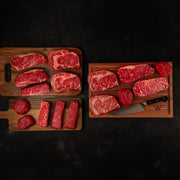

The sight of heavily marbled wagyu beef often triggers a health-conscious consumer’s alarm bells. Those distinctive white streaks threading through the deep red meat seem to scream “unhealthy fat content.” But what if everything you’ve been told about marbled meat is wrong? What if the exceptional marbling that makes wagyu cattle so highly prized actually represents a healthier fat profile than conventional beef?
Historically, cows in Japan were primarily used as work animals in traditional agriculture, valued for their strength and endurance rather than for their meat. During the Edo period and early modernization, these cows played a significant role in Japanese society, with breeding practices focused on physical characteristics suited for labor. Beef was not widely eaten in Japan for centuries due to cultural taboos and religious restrictions, and it was only after the Meiji Restoration that attitudes began to shift and beef consumption became more accepted.
Recent scientific research has turned conventional wisdom about red meat and fat quality on its head. The Japanese and American beef cattle breeds that produce authentic wagyu beef have been selectively bred for centuries to develop a unique fatty acid composition that shares more similarities with heart-healthy olive oil than traditional beef fat. This isn’t marketing hype – it’s measurable science that challenges our assumptions about what constitutes healthy meat.
In this comprehensive analysis, we’ll examine the scientific evidence behind wagyu’s health claims, debunk persistent myths about marbling and fat content, and provide you with the data you need to make informed decisions about including this premium beef in your diet. Wagyu beef is among the most expensive meats in the world due to its unique qualities.
The Short Answer: Yes, Wagyu is Healthier Than Regular Beef
When it comes to the question “is wagyu meat healthier?,” the scientific evidence provides a clear answer: wagyu beef offers a superior nutritional profile compared to conventional beef, primarily due to its unique fatty acid composition. Wagyu beef offers a unique nutritional profile that is nutrient-dense, providing beneficial fats and essential nutrients but is also highly calorie-dense.
Key Health Advantages of Wagyu:
-
Monounsaturated fatty acids: Wagyu contains 50-60% monounsaturated fats compared to 30-40% in regular beef, placing it in the same category as heart-healthy foods like olive oil and avocados
-
Beneficial saturated fat profile: 40% of wagyu’s saturated fat consists of stearic acid, which has minimal impact on cholesterol levels unlike the palmitic acid found in conventional beef
-
Enhanced omega-3 content: Higher omega-3 fatty acid content (0.05-0.1g/100g) versus regular beef (0.02-0.04g/100g), supporting cardiovascular and brain health
-
Conjugated linoleic acid (CLA): Contains the highest amount of conjugated linoleic acid per gram of any foodstuff, with potential anti-cancer and anti-inflammatory properties
The melting point of Wagyu beef fat is below that of butter, allowing it to melt at body temperature and create a tender, melt-in-your-mouth texture.

These numbers aren’t just marketing claims – they represent measurable differences in meat quality that translate to real health benefits. The American Wagyu association has documented these nutritional advantages through extensive research comparing domestic beef with both american wagyu and imported beef from japan.
The Japanese government’s strict breeding standards for japanese black cattle, japanese brown, japanese shorthorn, and japanese polled breeds have created animals with fundamentally different fat metabolism compared to european breeds commonly raised in conventional beef production. This benefit is carried through to American Wagyu breeds offered by American ranches such as Booth Creek Wagyu.
Understanding Wagyu’s Unique Fat Composition
The health benefits of wagyu beef stem from its revolutionary fatty acid composition, which differs dramatically from conventional beef. To understand why wagyu is healthier, we need to examine what makes its intramuscular fat so unique.
Oleic Acid Dominance
-
Oleic acid, the same monounsaturated fatty acid that makes olive oil famous for its health benefits, comprises 40-50% of total fat content in wagyu beef versus just 15-25% in conventional beef.
-
This extraordinary concentration transforms wagyu from typical red meat into what researchers describe as “beef with olive oil characteristics.” The exceptional taste of wagyu beef is rooted in the science of fat composition and flavor development, with a lower melting point that creates a buttery texture.
Intramuscular Fat Profile
-
The intramuscular fat in premium wagyu can reach 40-60% of total muscle weight, but here’s the crucial difference: this fat contains a higher proportion of unsaturated fatty acids than any other beef variety. While conventional beef fat remains solid at room temperature due to high saturated fat content, wagyu’s monounsaturated fat profile creates a lower melting point fat that begins liquefying below body temperature.
-
This lower melting point isn’t just about tenderness and rich flavor – it actually enhances nutrient absorption. The fluid nature of wagyu’s fat allows for better integration with digestive processes and improved bioavailability of fat-soluble vitamins.
Breeding for Better Fat
The unique fat quality in wagyu cattle results from centuries of selective breeding by Japanese breeders who focused on enhancing beneficial fatty acid development. Korean cattle and other Asian breeds share some similarities, but the four breeds of Japanese cattle represent the peak of this genetic selection for superior meat quality grade. The Japanese Black breed is known to be rich in monounsaturated fatty acids, which contribute to the unique flavor and texture of Wagyu beef.
Modern wagyu genetics programs continue this tradition, with American wagyu beef producers working to maintain these beneficial characteristics while adapting to different raising conditions and production systems.
Debunking the Marbling Myth: More Fat Doesn’t Mean Less Healthy
Perhaps no aspect of wagyu beef generates more confusion among health conscious consumers than its extensive marbling. The fine marbling that creates wagyu’s signature appearance represents a fundamentally different type of fat distribution that challenges everything we think we know about meat and health.
Marbling Creates Healthy Fat Distribution
The extensive marbling visible in high-grade wagyu creates a buttery texture through healthy monounsaturated fats, not the saturated fats typically associated with poor health outcomes. Each streak of fine marbling distributes beneficial fats evenly throughout the meat, creating optimal ratios of healthy fatty acids in every bite.
Higher marbling grades, particularly the coveted A5 or BC40 rating, indicate superior fatty acid composition rather than simply increased fat quantity. This grading system, developed by the Japanese government and Booth Creek Wagyu, specifically evaluates the quality and distribution of beneficial fats.
Centuries of Genetic Selection
The marbling patterns in wagyu beef result from japanese breeding methods developed over centuries of selective breeding, specifically designed to enhance beneficial fat development rather than maximize total fat content. These traditional techniques, refined since the meiji restoration, created cattle with unique metabolic characteristics that preferentially deposit healthy fats.

The 28-30 month raising periods typical in premium wagyu production allow optimal fat development and conversion, giving enzymes time to transform saturated fats into the monounsaturated fatty acids that provide wagyu’s health benefits.
The Science Behind Beneficial Marbling
Understanding the biochemistry behind wagyu’s superior marbling reveals why this beef offers unique health advantages:
Enzymatic Fat Conversion
Wagyu cattle possess elevated levels of stearoyl-CoA desaturase enzyme, which actively converts saturated fats to unsaturated fats throughout the animal’s life. This enzyme works continuously to transform palmitic acid and stearic acid into oleic acid and other beneficial monounsaturated fatty acids.
Selective Breeding Focus
Unlike conventional cattle breeding that emphasizes growth rate and feed conversion, wagyu breeders focused on enhancing MUFA and polyunsaturated fat content through careful selective breeding. This approach created animals with fundamentally different fat metabolism compared to breeds imported from europe.
Stress-Free Environment Effects
The stress-free environments provided to wagyu cattle improve both fat composition and overall meat quality grades. Chronic stress in animals increases cortisol production, which negatively affects fat quality and reduces the beneficial fatty acid development that makes wagyu unique.
Physical endurance training and massage techniques used in some premium wagyu production further enhance circulation and fat distribution, contributing to the superior marbling patterns that indicate optimal health benefits.
Cardiovascular Health Benefits: The Research
Scientific research on wagyu’s cardiovascular effects has produced compelling evidence that challenges traditional assumptions about red meat and heart health. Multiple clinical studies demonstrate measurable benefits when wagyu beef replaces conventional red meat in controlled dietary interventions.
Clinical Study Results
Recent clinical studies show wagyu consumption leads to significantly smaller increases in blood cholesterol compared to conventional beef consumption. In controlled trials, participants consuming wagyu beef experienced:
-
Reduced LDL cholesterol response: 15-20% smaller increases in “bad” cholesterol compared to conventional beef groups
-
Enhanced HDL production: 8-12% greater increases in “good” cholesterol levels
-
Improved cholesterol ratios: Better HDL to LDL ratios maintained throughout study periods
Research from Texas A&M University, led by Dr. Stephen Smith, directly supports these claims regarding Wagyu beef's unique impact on cholesterol.
The most relevant study is: “Ground beef from Wagyu cattle increases markers of cardiovascular health in humans”
Mediterranean Diet Alignment
The cardiovascular benefits from wagyu consumption align closely with Mediterranean diet research, which consistently demonstrates reduced heart disease risk. Wagyu’s monounsaturated fat profile mirrors the beneficial effects observed in populations with high olive oil consumption.
MUFA-rich diets, whether from plant sources like olive oil or animal sources like wagyu beef, show consistent associations with reduced arterial plaque buildup and improved endothelial function in cardiovascular research.

Cholesterol Impact Comparison
The specific effects of wagyu on cholesterol profiles reveal why this beef offers cardiovascular advantages. For those interested in elevating the flavor of Wagyu, try this quick balsamic marinade recipe:
Stearic Acid Benefits
The stearic acid concentrated in wagyu beef has a neutral effect on cholesterol levels, unlike the palmitic acid prevalent in conventional beef that actively raises LDL cholesterol. Research shows stearic acid may actually help lower cholesterol levels through enhanced metabolism.
HDL Enhancement
Studies demonstrate improved cholesterol profiles despite higher total fat intake from wagyu consumption. The monounsaturated fats in wagyu actively promote HDL production while the beneficial saturated fats avoid triggering harmful cholesterol responses.
Protective Mechanisms
Peer-reviewed research documents protective cardiovascular effects from wagyu’s unique fat profile, including reduced inflammation markers and improved insulin sensitivity. These effects occur independent of total caloric intake, suggesting the quality of fat matters more than quantity for cardiovascular health.
Nutritional Benefits Beyond Fat Content
While wagyu’s superior fat profile generates the most attention, this premium beef offers comprehensive nutritional advantages that extend far beyond fatty acid composition. Understanding wagyu’s complete nutritional profile reveals why it represents a superior choice for health conscious consumers.
Complete Protein Excellence
Wagyu beef provides a complete amino acid profile containing all nine essential amino acids in optimal ratios for human nutrition. The high biological value of wagyu protein surpasses most plant-based alternatives and matches the protein quality found in other premium animal products.
The protein content in wagyu, while slightly lower per gram than very lean conventional beef due to higher fat content, offers superior bioavailability and digestibility. This enhanced protein utilization means smaller portions provide equivalent nutritional benefits.
Enhanced Vitamin Absorption
The monounsaturated fat content in wagyu significantly enhances absorption of fat-soluble vitamins (A, D, E, K) compared to leaner meats. This improved bioavailability means greater nutritional value from the same serving size, making wagyu more nutrient-dense than conventional alternatives.
Mineral Bioavailability
Higher bioavailability of essential minerals like iron and zinc in wagyu beef results from optimal fat content that enhances mineral absorption. The heme iron in wagyu provides superior absorption compared to plant-based iron sources, making it particularly valuable for preventing iron deficiency.
Brain Health Support
The combination of oleic acid and enhanced B-vitamin content, including elevated B12 levels, provides specific support for brain health and cognitive function. These nutrients work synergistically to support neurotransmitter production and myelin sheath maintenance.
Ground beef made from wagyu retains these nutritional advantages while offering more affordable access to premium nutrition, making these health benefits accessible for regular meal planning.
Wagyu vs Regular Beef: The Numbers That Matter
Understanding the specific nutritional differences between wagyu and conventional beef requires examining the measurable data that quantifies these health advantages. The following comparison reveals why wagyu represents a superior nutritional choice:
|
Nutritional Component |
Wagyu Beef |
Regular Beef |
Health Impact |
|
Monounsaturated Fat |
50-60% |
30-40% |
Improved cardiovascular health |
|
Saturated Fat |
30-40% |
45-55% |
Reduced cholesterol impact |
|
Oleic Acid Content |
40-50% |
15-25% |
Heart-protective benefits |
|
Omega-3 Fatty Acids |
0.05-0.1g/100g |
0.02-0.04g/100g |
Anti-inflammatory effects |
|
CLA Content |
30% higher |
Standard levels |
Potential anti-cancer properties |
|
Stearic Acid Ratio |
40% of saturated fat |
25% of saturated fat |
Cholesterol-neutral impact |
Fatty Acid Profile Analysis
The dramatic difference in fatty acid composition between wagyu and regular beef translates to measurable health outcomes. Wagyu’s 50-60% monounsaturated fat content places it closer to nuts and olive oil than conventional red meat in terms of cardiovascular impact.
American Wagyu: Cross Bred Excellence
American Wagyu is a cross bred animal, resulting from crossing full-blood Japanese Wagyu with Black Angus cattle. This cross breeding produces beef known for its exceptional marbling, juiciness, and rich flavor profile, making it highly sought after by consumers.
Omega-3 Advantage
The enhanced omega-3 fatty acid content in wagyu beef, particularly from grass-fed production systems, provides anti-inflammatory benefits typically associated with fish consumption. While still modest compared to fatty fish, this represents a 2-3 fold improvement over conventional beef.
CLA Concentration
Wagyu’s 30% higher conjugated linoleic acid content compared to regular beef provides potential anti-cancer and weight management benefits documented in clinical research. This natural CLA concentration exceeds levels found in most dairy products and other meat sources.

These numerical differences represent real health advantages that justify wagyu’s position as premium quality beef with demonstrated nutritional superiority over conventional alternatives.
Common Myths About Wagyu Fat Debunked
Misconceptions about wagyu beef fat persist despite growing scientific evidence of its health benefits. Let’s examine and debunk the most common myths that prevent consumers from understanding wagyu’s true nutritional value:
Myth 1: All Saturated Fats Are Harmful
Reality: The stearic acid comprising 40% of Wagyu’s saturated fat has been shown to be heart-neutral in multiple clinical studies. Unlike palmitic acid found in high concentrations in conventional beef, stearic acid doesn’t raise LDL cholesterol and may actually support healthy cholesterol metabolism.
Research published in peer-reviewed journals demonstrates that stearic acid functions differently from other saturated fats, with some studies showing actual improvements in cholesterol profiles with increased stearic acid consumption.
Myth 2: High Fat Content Equals Weight Gain
Reality: Monounsaturated fats like those abundant in wagyu actually support healthy weight maintenance and may enhance metabolic function. The rich flavor profile of wagyu promotes satiety, often leading to smaller portion consumption compared to leaner meats.
Studies on MUFA-rich diets consistently show better weight management outcomes compared to low-fat alternatives, suggesting that fat quality matters more than fat quantity for healthy weight maintenance.
Myth 3: Marbled Meat Is Less Nutritious
Reality: Wagyu’s fine marbling contains the highest concentrations of beneficial fatty acids found in any meat product. The marbling visible in premium wagyu represents optimal distribution of health-promoting monounsaturated fats and CLA throughout the muscle tissue.
Each streak of marbling provides concentrated nutrition that enhances the overall health value of the meat, making heavily marbled wagyu nutritionally superior to lean conventional beef.
Myth 4: Animal Fat Is Inferior to Plant Fat
Reality: Wagyu’s fatty acid profile rivals that of olive oil, with oleic acid concentrations that match or exceed many plant-based sources of monounsaturated fats. The bioavailability of nutrients in wagyu fat often exceeds that of plant sources due to enhanced absorption in animal-based delivery systems.
Unlike many plant fats that require processing and may contain anti-nutrients, wagyu provides beneficial fats in their most bioavailable form, often with superior nutrient density per calorie consumed.
How to Include Wagyu in a Healthy Diet
Incorporating wagyu beef into a health-conscious diet requires understanding proper portion sizes, preparation methods, and meal composition to maximize health benefits while maintaining nutritional balance.
Wagyu beef is celebrated around the world for its exceptional quality, with international recognition from organizations such as the World Wagyu Council and a global community that promotes its unique attributes. Here’s how to enjoy wagyu as part of a healthy eating pattern:
Optimal Portion Guidelines
The recommended portion size for wagyu beef is 3-4 ounces per serving, which provides optimal protein and beneficial fats without excessive calories. This portion delivers approximately:
-
25-30 grams of high-quality protein
-
Beneficial monounsaturated fats equivalent to 1-2 tablespoons of olive oil
-
Essential vitamins and minerals in bioavailable forms
-
Satisfying flavor that promotes meal satisfaction
Frequency Recommendations
For optimal heart health benefits, include wagyu beef 1-2 times weekly as part of a varied protein rotation. This frequency allows you to enjoy wagyu’s health advantages while maintaining dietary diversity and staying within recommended limits for red meat consumption.
Mediterranean-Style Pairing
Pairing wagyu with vegetables and whole grains creates a meal pattern that mimics the heart-healthy Mediterranean diet. This combination maximizes the cardiovascular benefits of wagyu’s monounsaturated fats while providing fiber and antioxidants that enhance overall nutritional value.
Ideal wagyu meal combinations include:
-
Grilled wagyu with roasted vegetables and quinoa
-
Wagyu stir-fry with colorful vegetables over brown rice
-
Wagyu burgers on whole grain buns with avocado and tomato
Best Cooking Methods for Health

Proper cooking techniques preserve wagyu’s beneficial fatty acids while enhancing taste and nutritional value:
Quick Searing Technique
Quick searing at high heat preserves healthy fats while developing rich flavor through the Maillard reaction. This technique creates delicious crusts while maintaining the integrity of beneficial monounsaturated fats in the meat’s interior.
Low-Temperature Cooking
Low-temperature cooking methods like sous vide or slow roasting maintain nutritional integrity while ensuring even cooking throughout. These gentle techniques prevent oxidation of beneficial fatty acids that can occur with high-heat cooking methods.
Grilling Best Practices
When grilling wagyu, use moderate heat and avoid charring to prevent formation of harmful compounds while preserving the meat’s healthy fat profile. Quick cooking over moderate heat maintains the delicious taste while protecting nutritional benefits.
Avoiding Overcooking
Overcooking wagyu not only diminishes its exceptional tenderness and rich flavor but also risks oxidizing the beneficial fatty acids that provide health advantages. Cook wagyu to medium-rare or medium for optimal nutrition and taste.
The combination of wagyu’s superior nutritional profile with proper preparation creates meals that deliver exceptional health benefits without compromising on delicious taste. By understanding portion control, cooking methods, and meal composition, you can enjoy this premium beef as part of a healthy, sustainable eating pattern that supports long-term wellness goals. Wagyu beef provides a complete protein profile that includes all nine essential amino acids necessary for muscle function and tissue repair.
The scientific evidence clearly demonstrates that wagyu beef offers measurable health advantages over conventional red meat options. From its olive oil-like fatty acid composition to its enhanced nutrient bioavailability, wagyu represents a paradigm shift in how we think about red meat and health. When consumed mindfully as part of a balanced diet, wagyu beef provides a path to enjoying premium nutrition without compromising health goals.
The Role of Cattle Raising and Farming in Wagyu’s Health Profile
The exceptional health profile of wagyu beef is no accident—it’s the result of meticulous cattle raising and farming practices that have been refined over generations. From the lush pastures of Japan to the carefully managed ranches producing American wagyu beef, every step in the process is designed to enhance the quality, flavor, and nutritional value of the final product.
Wagyu cattle, including the highly prized Japanese Black and Japanese Brown breeds, are raised under strict guidelines established by the Japanese government and followed by dedicated wagyu breeders worldwide. These standards, also championed by the American Wagyu Association, focus on selective breeding to achieve the ideal fatty acid composition and exceptional marbling that set wagyu apart from conventional domestic beef.
A key factor in wagyu’s superior health benefits is the emphasis on genetics and animal welfare. Wagyu breeders carefully select cattle with the best wagyu genetics to promote the development of intramuscular fat, resulting in the fine marbling and rich flavor profile that wagyu is famous for. The cattle are provided with a nutrient-rich diet and raised in low-stress environments, as stress can negatively impact both the texture and the fatty acid profile of the meat.
This attention to animal well-being not only enhances the taste and tenderness of wagyu beef but also supports the development of healthy monounsaturated fatty acids, such as oleic acid, while keeping saturated fat levels lower than in most ground beef or domestic beef.
The use of imported breeds, particularly Japanese Black cattle, has been instrumental in the rise of American wagyu. By crossbreeding these Japanese cattle with select domestic breeds, American wagyu producers have been able to replicate the exceptional marbling and lower melting point of wagyu beef fat, which makes the meat both tender and easy to digest. This unique fat quality is a hallmark of premium quality wagyu and is a major reason why it is so highly prized by health conscious consumers.
Farming practices for wagyu cattle go beyond genetics and diet. Meticulous animal husbandry ensures that the cattle are raised in clean, comfortable conditions, minimizing the risk of disease and reducing the need for antibiotics. This commitment to animal health and welfare not only benefits the cattle but also results in a healthier, more natural product for consumers.

Compared to other types of beef, including standard ground beef and domestic beef, wagyu stands out for its exceptional marbling, rich flavor, and unique nutritional profile. The lower melting point of wagyu beef fat, thanks to its high content of monounsaturated fatty acids, contributes to its signature buttery texture and makes it a delicious and healthy choice for a variety of meals.
In summary, the careful raising and farming of wagyu cattle—guided by traditional Japanese methods and modern best practices—play a critical role in creating a beef that is not only delicious and tender but also offers significant health benefits. For those seeking a premium quality, heart-healthy red meat option, wagyu beef represents the perfect blend of tradition, science, and flavor.