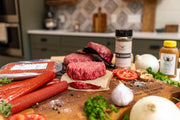
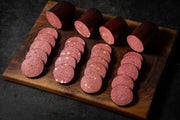
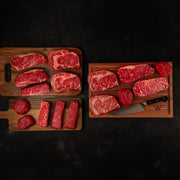

Wagyu beef represents one of the most extraordinary ingredients you can bring into your kitchen. Wagyu beef is often regarded as one of the most sought after meats in the world due to its unique qualities. This prime, premium red meat, derived from specific Japanese cattle breeds, commands such a lofty reputation because of its exceptional marbling and buttery texture that’s been highly prized since the Meiji Restoration.
Wagyu beef is produced in various regions in Japan, with over 320 different brands recognized and American Wagyu beef counterparts such as Booth Creek Wagyu. Yet despite Wagyu’s well earned reputation, most home cooks run the risk of ruining their wagyu steaks through common mistakes that would be forgivable with more common beef, such as domestic beef, but devastating with this delicious, world-renowned meat that must be eaten to be fully appreciated.
Understanding how to properly cook wagyu beef isn’t just about following recipes—it’s about respecting the unique characteristics that make this Japanese breed so special. Wagyu beef is often marketed as having a unique taste and tenderness due to its high marbling, and the unique taste and tenderness of highly marbled Wagyu beef makes for an unrivaled eating experience.
The intramuscular fat that creates wagyu’s signature tenderness and subtle sweetness behaves differently than conventional beef, requiring specific techniques that many home cooks simply don’t know. The saturated fat in Wagyu beef is primarily in the form of stearic acid, which has a minimal impact on cholesterol levels.
Whether you’ve purchased American wagyu from domestic breeders such as Booth Creek Wagyu or imported Japanese wagyu that’s been traced back to its original herd, these five critical mistakes can turn your investment into an expensive disappointment.
Why Wagyu Beef Requires Special Cooking Techniques
Wagyu cattle, literally meaning “japanese cattle,” encompasses four breeds originally raised in Japan: Japanese black, Japanese brown, Japanese shorthorn, and Japanese polled. Historically, cattle in Japan played a vital role in agriculture, serving as draft animals and supporting traditional farming and rural development. The origins of Wagyu are also linked to Korean cattle, which share a historical and genetic relationship with Japanese breeds.
These animals were selectively bred for centuries to produce beef with extraordinary marbling—up to 40% higher intramuscular fat content than conventional cattle. The development of Wagyu genetics was significantly influenced by breeds imported into Japan, including British, European, and Asian breeds, especially through crossbreeding efforts that began in the late 19th century. British breeds, in particular, contributed to the genetic diversity of Wagyu. The genetic lineage of Wagyu cattle is often described as half European, half native Japanese, reflecting their hybrid origins shaped by imported beef and genetics.
The Japanese government has regulated Wagyu breeding to preserve genetic purity and maintain strict breed standards, with wagyu breeders and associations working to promote and conserve purebred Wagyu both domestically and internationally. As a result, Wagyu genetics and beef have been exported worldwide, with organizations like the American Wagyu Association promoting and registering Wagyu cattle in the U.S. American Wagyu beef is raised without added hormones or animal by-products, further enhancing its appeal.

The most crucial fact lies in wagyu’s fat composition and melting point. While regular beef fat melts around 130°F, wagyu fat begins rendering at approximately 77°F—closer to human body temperature. This low melting point creates the famous “melts in your mouth” experience but also makes wagyu incredibly sensitive to heat and timing.
The American Wagyu Association has noted that this unique fat structure, combined with genetics traced back to Japanese bloodlines, means traditional cooking methods often fail spectacularly. Additionally, wagyu beef has a higher mono-unsaturated to saturated fat ratio compared to other beef, making it a healthy option while still delivering unparalleled flavor.
Understanding these differences becomes essential to get the perfect cook. The marbling that makes wagyu so flavorful also makes it cook faster than conventional beef, reaching target temperatures quicker than expected. Additionally, the high fat content means wagyu continues cooking even after removal from heat, making precise temperature control critical for success.
Understanding Wagyu Beef Cuts and Their Impact on Cooking
Wagyu beef is celebrated worldwide for its extraordinary marbling, rich flavor, and melt-in-your-mouth tenderness. But to truly unlock the potential of this highly prized meat, it’s essential to understand the different cuts and how each one responds to various cooking methods. Whether you’re working with American Wagyu beef from domestic herds or imported Japanese wagyu, the cut you choose—and how you cook it—can make all the difference in delivering that signature buttery texture and juiciness.
The American Wagyu Association recognizes several premium cuts that are especially popular among chefs and home cooks alike.
-
The ribeye is renowned for its abundant marbling and rich, beefy flavor. This cut is ideal for grilling or pan-frying, where the high fat content quickly renders, creating a deliciously tender and juicy steak with every bite. If you’re after that classic wagyu experience—where the meat almost dissolves on your tongue—the ribeye is a top choice.
-
For those who prefer a slightly leaner option, the striploin offers a balance of tenderness and robust flavor. While it still boasts impressive marbling, the striploin’s firmer texture makes it well-suited for oven roasting or a quick sauté in a hot pan. This cut allows the natural flavor of wagyu to shine, especially when cooked to medium-rare, preserving its juiciness without overwhelming richness.
-
The tenderloin, often considered the most luxurious cut, is prized for its delicate, buttery texture and subtle flavor. This cut is perfect for special occasions and can be prepared using a variety of methods, from grilling to oven roasting. Because the tenderloin is naturally tender, it requires minimal cooking time—just enough to warm the center and allow the marbling to gently melt, resulting in a truly unforgettable eating experience.
When cooking wagyu beef, always consider the level of marbling in your chosen cut. Highly marbled steaks like ribeye or Japanese wagyu require less time on the heat and should be cooked to a lower internal temperature to preserve their signature tenderness and juiciness. Leaner cuts, such as the striploin, may benefit from slightly longer cooking times to achieve the perfect balance of flavor and texture.
The cooking method you select also plays a crucial role. Grilling can impart a subtle smokiness and crisp exterior, while pan-frying creates a beautiful crust that locks in the meat’s natural juices. Oven roasting is ideal for larger cuts or when you want even, gentle heat to coax out wagyu’s rich, delicious flavor.
Ultimately, whether you’re preparing American wagyu beef or imported Japanese wagyu, understanding the unique characteristics of each cut—and matching them to the right cooking technique—will help you create dishes that highlight the natural richness, tenderness, and subtle sweetness that make wagyu so special. By respecting the qualities of this premium beef, you’ll ensure every meal is a delicious celebration of what makes wagyu truly world-class.
Mistake #1: Cooking Wagyu Straight from the Refrigerator
One of the most common errors home cooks make is treating wagyu like any other steak by cooking it directly from refrigerator temperature. When cold wagyu beef (around 38°F) hits a hot pan, the exterior cooks rapidly while the interior remains cold, creating an uneven gradient that wastes the meat’s natural juiciness and tenderness.
This temperature shock is particularly problematic with wagyu because the high fat content conducts heat differently than lean beef. The exterior can become overcooked and tough while the center stays cold and unappetizing. Even worse, the rapid temperature change can cause the delicate fat marbling to render unevenly, resulting in pools of grease rather than the integrated richness that makes wagyu special.
The solution requires patience and planning. Remove your wagyu steaks from the refrigerator 30-45 minutes before cooking, allowing them to reach 65-70°F at room temperature. This tempering process ensures more even cooking and better fat distribution throughout the meat. For thicker cuts (2+ inches), extend this time to 45-60 minutes, as the center needs additional time to warm.
Here’s a timing guide for different cut thicknesses:
-
1-inch steaks: 30 minutes at room temperature
-
1.5-inch steaks: 35-40 minutes at room temperature
-
2-inch steaks: 45-50 minutes at room temperature
-
2.5+ inch steaks: 60+ minutes at room temperature
Remember, wagyu’s high fat content means it’s less susceptible to bacterial growth at room temperature than lean beef, but never exceed two hours outside refrigeration for food safety reasons. Wagyu beef also contains the highest amount of conjugated linoleic acid (CLA) per gram of any foodstuff, which is known for its health benefits, adding another layer of value to this premium meat.
Mistake #2: Over-Seasoning and Masking the Natural Flavor
Many home cooks approach wagyu with the mindset that expensive beef deserves elaborate seasoning, loading it with heavy marinades, complex spice rubs, or acidic preparations. This represents a fundamental misunderstanding of what makes wagyu valuable. The meat’s natural lactones—compounds that create its distinctive buttery flavor and subtle sweetness—are delicate and easily overwhelmed by aggressive seasonings.
Wagyu’s flavor profile is the result of centuries of selective breeding by Japanese breeders who prioritized taste alongside marbling. The beef naturally contains higher levels of oleic acid and other flavor compounds that create its rich, almost butter-like taste.
When you mask these characteristics with strong seasonings, you’re essentially paying premium prices for beef that tastes like whatever spices you’ve applied. Instead, consider recipes that enhance the Wagyu’s savory flavor without overpowering its unique qualities.
Common over-seasoning mistakes include:
-
Heavy marinades that break down the meat’s texture
-
Sugar-based rubs that burn during high-heat searing
-
Acidic marinades that alter the meat’s pH and texture
-
Overwhelming spice blends that compete with wagyu’s natural sweetness
For a flavorful and balanced option, try this Hawaiian Style marinade that complements Wagyu's rich taste.
The correct approach focuses on enhancement rather than transformation. Season your wagyu with kosher salt 40 minutes before cooking—this timing allows the salt to penetrate the meat and begin the flavor development process without drawing out excessive moisture. The salt will partially dissolve and create a light brine that enhances the beef’s natural taste.
For pepper, use restraint. Add freshly ground black pepper sparingly just before cooking, or consider adding it after searing to avoid the bitter notes that can develop when pepper burns at high temperatures. Finish your cooked wagyu with a pinch of flaky sea salt to brighten the flavors without masking them.
Fresh herbs like rosemary or thyme can complement wagyu’s richness when used subtly—a few leaves in the pan during the final minutes of cooking, not a heavy rub that overwhelms the meat’s natural character.
Mistake #3: Using High Heat Throughout the Entire Cooking Process
The conventional wisdom of “searing steaks at maximum heat” becomes problematic with wagyu beef. The high fat content that makes this japanese beef so desirable also makes it prone to burning and rendering too quickly when exposed to temperatures above 350°F throughout the entire cooking process. Unlike leaner cuts that can handle sustained high heat, wagyu requires a more nuanced approach.

When wagyu fat renders too rapidly at excessive temperatures, several problems occur simultaneously. The exterior can develop a bitter, acrid crust while the delicate intramuscular fat melts away instead of staying integrated with the meat. Additionally, flare-ups become more likely when cooking over open flame, potentially charring the surface and imparting unpleasant smoky flavors.
The reverse sear method represents the optimal approach for thicker wagyu steaks. Begin by cooking the steak at low heat (275-300°F) in your oven until it reaches about 10-15°F below your target internal temperature. Then finish with a brief, high-heat sear in a screaming hot cast iron or carbon steel pan to develop the desired crust. This technique ensures even cooking while maximizing the meat’s natural tenderness.
For different cooking methods, follow these temperature guidelines:
Cast Iron Skillet Method:
-
Preheat pan to medium-high heat (not maximum)
-
Look for light wisps of smoke, not heavy smoking
-
Sear 2-3 minutes per side for 1-inch cuts
-
Reduce heat if excessive spattering occurs
Grill Method:
-
Create two zones: direct medium-high heat and indirect heat
-
Start wagyu over indirect heat
-
Finish over direct heat for final crust development
-
Keep grill lid handy to control flare-ups
Oven Method (Reverse Sear):
-
Preheat oven to 275°F
-
Cook until internal temp reaches 110°F (for medium-rare finish)
-
Transfer to hot skillet for 1-2 minute sear per side
The target for medium-rare wagyu is an internal temperature of 125°F, which means removing the meat from heat at around 120°F to account for carryover cooking during the rest period.
Mistake #4: Overcooking Due to Misjudging Doneness
Wagyu’s intense marbling makes traditional visual cues unreliable for determining doneness. The abundant white fat veining can make the meat appear less cooked than it actually is, leading many home cooks to continue heating until they’ve pushed their expensive steak well beyond the optimal temperature range. This mistake is particularly costly because wagyu’s texture deteriorates rapidly once overcooked.
The high fat content that makes wagyu so tender and flavorful also means it reaches target temperatures faster than conventional beef. A wagyu steak that looks similar to a regular ribeye at the same thickness can be 15-20°F hotter internally due to the fat’s heat-conducting properties. Additionally, wagyu continues cooking more aggressively during rest periods, making precise temperature monitoring essential.
Professional chefs rely on instant-read thermometers when cooking wagyu because the stakes are too high for guesswork. The meat’s marbling can mask the typical color changes that indicate doneness levels, and the high cost makes temperature precision a necessity rather than a preference.
Proper Internal Temperature Ranges for Wagyu:
-
Rare: 115-120°F (cool red center)
-
Medium-rare: 120-125°F (warm red center) - Recommended
-
Medium: 125-135°F (warm pink center) - Maximum recommended
-
Beyond medium: Not recommended for wagyu
Remove wagyu steaks 5°F before target temperature to account for carryover cooking. A medium-rare wagyu should be pulled at 120°F, reaching 125°F during the rest period.
The touch test can serve as backup confirmation, though it requires practice to calibrate for wagyu’s unique texture. Properly cooked medium-rare wagyu will feel similar to pressing the flesh between your thumb and forefinger when making an “OK” sign with your hand—springy yet yielding, with noticeably more give than conventional beef due to the integrated fat.
Visual indicators become more reliable with experience:
-
Exterior: Deep golden-brown crust without blackening
-
Fat edges: Slightly rendered and glistening
-
Interior (when cut): Warm pink center with minimal gray band at edges
Remember that wagyu’s optimal doneness differs from personal preferences developed with conventional beef. Even those who typically prefer well-done steaks should consider medium-rare for wagyu, as the abundant marbling provides richness and moisture that makes the pink interior more palatable.
Mistake #5: Skipping the Rest Period After Cooking
The temptation to immediately cut into your perfectly cooked wagyu is understandable—you’ve invested significant money and effort into preparing this premium beef. However, skipping the rest period represents one of the most wasteful mistakes you can make, causing valuable juices and rendered fat to spill onto your cutting board instead of remaining in the meat where they belong.
Wagyu’s high fat content requires a longer rest period than conventional beef—typically 8-12 minutes for standard cuts. During cooking, the meat’s proteins contract and push moisture toward the surface. The rest period allows these proteins to relax and reabsorb the juices, while the abundant intramuscular fat redistributes throughout the meat for optimal texture and flavor. It is recommended to rest Wagyu for 5-10 minutes after cooking to allow juices to redistribute, ensuring every bite is as tender and flavorful as possible.

The tent foiling method provides the ideal resting environment. Loosely cover your cooked wagyu with aluminum foil, creating a tent that retains heat while allowing some air circulation. This prevents the steam buildup that can soften a carefully developed crust while maintaining the internal temperature needed for optimal fat consistency.
Cutting too early results in several problems:
-
Immediate juice loss that can’t be recovered
-
Rendered fat pooling outside the meat instead of integrating
-
Firmer texture as proteins haven’t had time to relax
-
Cooler serving temperature that affects wagyu’s signature mouthfeel
The resting period also provides crucial time for final temperature equalization. Wagyu’s fat continues transferring heat internally, creating more even doneness from edge to center. This is particularly important for thicker cuts where temperature gradients can be pronounced immediately after cooking.
Proper Carving Techniques: Once your wagyu has rested properly, use a sharp knife to slice against the grain at 45-degree angles. Cut in smooth, confident motions rather than sawing, which can tear the delicate muscle fibers. For wagyu, slicing thickness should be moderate—about 1/2 inch—to showcase the marbling while ensuring each bite contains an optimal ratio of meat to fat.
Present your sliced wagyu immediately after cutting to take advantage of the warm, rendered fat that creates wagyu’s legendary texture. The meat should glisten slightly from the integrated fat, with minimal liquid pooling on the plate.
Pro Tips for Perfect Wagyu Every Time
Beyond avoiding the major mistakes, several professional techniques can elevate your wagyu cooking from good to exceptional. These tips come from high-end steakhouse chefs and wagyu specialists who work with this premium beef daily.
-
Equipment Selection: Cast iron and carbon steel pans provide superior heat retention and distribution compared to thin stainless steel or non-stick options. These heavy-bottomed pans maintain consistent temperatures even when cold meat is added, ensuring proper searing without hot spots that can burn wagyu’s delicate fat.
-
Compound Butter Enhancement: Save the rendered fat from cooking your wagyu and incorporate it into compound butter with fresh herbs. This creates a finishing touch that amplifies the beef’s natural flavor while adding richness. Mix the cooled fat with softened butter, minced garlic, and chopped parsley or thyme for a luxurious accompaniment.
-
Storage and Leftover Techniques: While leftovers are rare with wagyu given its rich nature and high cost, proper storage maintains quality if needed. Wrap cooled wagyu tightly in plastic wrap and refrigerate for up to three days. Reheat gently in a low oven (250°F) rather than microwaving, which can create hot spots and overcook the meat.
-
Wine Pairing Considerations: Wagyu’s rich, buttery profile pairs exceptionally well with full-bodied red wines that complement rather than compete with the beef’s intensity. Consider Cabernet Sauvignon, Malbec, or aged Bordeaux varieties. The wine’s tannins help cleanse the palate between bites of rich wagyu.
Purchasing and Quality Assessment: When buying wagyu, examine the marbling distribution carefully. Quality wagyu should show fine, evenly distributed white veining throughout the meat rather than large chunks of separated fat. Wagyu beef is available for purchase from Booth Creek Wagyu and it can be purchased in various cuts, including ribeye, tenderloin, and ground beef. Natural American Wagyu beef is prized for its luxurious marbling, heritage, and Japanese-influenced, ethical farming practices.
Portion Planning: Wagyu’s richness means smaller portions provide greater satisfaction than with conventional beef. Plan 4-6 ounces per person for american wagyu, or 3-4 ounces for highly marbled japanese varieties. This approach maximizes enjoyment while managing the rich, almost butter-like intensity that can overwhelm in large quantities. For those planning ahead, consider stocking up with bulk Wagyu beef bundles to ensure you have the perfect amount on hand.
The key to consistent wagyu success lies in understanding that this premium beef behaves differently from conventional cuts at every stage—from tempering through cooking to serving. Respect these differences, and your investment in wagyu will deliver the extraordinary eating experience that justifies its price.
Whether you’re cooking American wagyu from domestic herds or imported Japanese beef that’s been graded and traced back to its original prefecture, these techniques will help you honor the quality genetics and careful breeding that created such exceptional meat. The cattle that produced your wagyu were raised with meticulous attention to diet and genetics—your cooking should demonstrate the same level of care and precision.