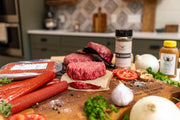
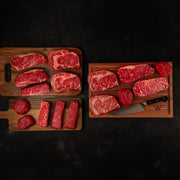

Set a thick-cut Booth Creek Wagyu ribeye in a hot cast iron pan and let the steak do what it does best. As the marbling renders, it builds flavor, tenderness, and a better bite. That is what makes Wagyu different from the standard steak.
The fat in highly marbled Wagyu has a lower melting point than conventional beef, softening at or near body temperature. This isn’t marketing hyperbole; it’s chemistry. At Booth Creek Wagyu, Full-blood and American Wagyu cattle raised in the Flint Hills of Kansas are bred specifically for this extraordinary marbling, measured on a proprietary BC10–BC40 scale that lets you choose exactly how rich you want your steak to be.
In the sections that follow, you’ll learn what makes Wagyu genetics unique, how feed and care shape marbling, why the fat profile may actually be better for you than standard beef, and how to cook these steaks so every bite lives up to its melt-in-your-mouth promise.
Why does Wagyu melt? Its fat is loaded with monounsaturated fatty acids that begin to soften around 86 °F (30 °C) - below your own body temperature - coating your palate with buttery richness the moment it touches your tongue.
What Is Marbling, Really?
Wagyu beef is defined by its exceptional marbling - scientifically known as intramuscular fat (IMF) - which appears as thin, lacy streaks of white woven directly between the muscle fibers. When cooked, this internal fat renders completely, basting the steak from the inside out to deliver an incredibly tender, moist texture and a rich, buttery flavor. It is completely distinct from the external fat cap you trim away or the thick intermuscular seams between separate muscles; when you slice into a premium ribeye or striploin, that beautiful web-like pattern is exactly what you are looking for.
Quality assessors evaluate marbling by examining a cross-section of the ribeye muscle, typically between the 12th and 13th ribs. The finer and more evenly distributed the fat, the higher the grade. Coarse, irregular streaks suggest less refinement; delicate, almost snowflake-like patterns signal premium quality. In Japan, this desirable marbling is called sashi, a term inseparable from the melt-in-the-mouth texture that defines A5 japanese wagyu.
As the steak cooks, the marbling starts to render. That intramuscular fat works through the beef, helping keep each bite tender, juicy, and full of rich flavor. It is the difference between a steak that just eats fine and one that actually delivers. The result is a steak that is simultaneously juicy, tender, and intensely flavorful.
A simple comparison:
|
Attribute |
Lean Grass-Fed Sirloin |
Booth Creek Wagyu Ribeye (BC30) |
|
Visible marbling |
Sparse, coarse streaks |
Dense, fine web throughout |
|
Approximate DMP |
2–3% |
30–39% (Digital Marbling Percentage) |
|
Texture when cooked |
Firm, chewy bite |
Soft. Rich. Tender. |
|
Flavor release |
Moderate |
Sustained, rich, buttery |
The difference is dramatic - and it starts with genetics, as well as with how Wagyu differs from other beef in marbling, flavor, and overall eating experience.

History and Origins of Wagyu
Wagyu refers to all Japanese beef cattle, where 'Wa' means Japanese and 'gyu' means cow. In Japan, there are four breeds considered Wagyu: Japanese Black, Japanese Brown, Japanese Polled, and Japanese Shorthorn.
The story of wagyu beef begins centuries ago, deep in the heart of Japan. Wagyu cattle - literally “Japanese cattle” - trace their lineage back to the 2nd century AD, when animals were first brought to Japan from Korea and China. Originally, these cattle were valued not for their meat, but for their strength and stamina.
Used as draft animals in rice paddies and mountainous fields, wagyu were selectively bred for physical endurance, a trait that would later prove essential to their culinary fame.
Over generations, Japanese farmers noticed that cattle with greater endurance tended to store energy differently. Instead of accumulating thick layers of external fat, these animals developed fine streaks of intramuscular fat - what we now call marbling - woven throughout their muscles. This adaptation not only fueled their work but also laid the foundation for the extraordinary marbling that defines wagyu beef today.
As Japan’s agricultural landscape evolved, so did the focus of wagyu breeding. Farmers began to prize cattle that produced beef with exceptional marbling, tender texture, and a rich, buttery flavor. The result is a breed of cattle unlike any other in the world - one whose meat is celebrated for its melt-in-your-mouth quality, subtle sweetness, and luxurious mouthfeel.
Today, wagyu beef is synonymous with premium quality, and the marbling that once supported physical endurance in the fields now delivers an unparalleled eating experience at the table. From ancient draft animals to the centerpiece of gourmet cuisine, wagyu cattle have become a symbol of Japanese craftsmanship and culinary excellence.
Types of Wagyu: Beyond the Basics
When most people think of wagyu, they picture intensely marbled steaks and the legendary status of Japanese beef. But within the world of wagyu cattle, there’s a remarkable diversity shaped by centuries of careful breeding and regional tradition.
The four main breeds of wagyu cattle are Japanese Black, Japanese Brown, Japanese Polled, and Japanese Shorthorn. Japanese Black is by far the most prevalent, making up over 90% of all wagyu cattle. This breed is renowned for its exceptional marbling, delivering the rich flavor and buttery texture that have made wagyu famous worldwide. Japanese Brown, sometimes called “Akaushi,” offers a slightly different experience - its beef is known for a firmer texture and a gentle, subtle sweetness that sets it apart from its more marbled cousin.
Japanese Polled and Japanese Shorthorn are less common but highly prized among connoisseurs. Japanese Polled cattle produce beef with a robust, beefy flavor and a leaner profile, while Japanese Shorthorn is celebrated for its umami-rich taste and unique texture, making it a favorite for traditional Japanese dishes.
Beyond Japan, wagyu genetics have traveled the world. American Wagyu, for example, is the result of crossing Japanese wagyu with established American breeds, creating beef that balances the extraordinary marbling of Japanese wagyu with the hearty flavor of American cattle. Korean Wagyu, or Hanwoo, is another distinct breed, cherished in Korea for its fine marbling and delicate flavor, and helps illustrate the broader story about Wagyu beef as it has spread and evolved globally.
Whether you’re savoring Japanese Black, exploring the nuanced taste of Japanese Brown, or enjoying the innovation of American Wagyu, each breed brings its own character to the table. This diversity is part of what makes wagyu so highly prized among beef lovers and chefs alike.
Wagyu Genetics: Built for Intramuscular Fat
The exceptional marbling in wagyu beef is no accident. It traces back centuries to Japan, where the four breeds of Japanese cattle were shaped by geography, culture, and utility. These breeds were derived from native Japanese cattle and various breeds imported from Europe and Asia.
The development of Wagyu involved crossbreeding with breeds imported into Japan during the late 19th and early 20th centuries. Japanese Black cattle, the primary source of elite Wagyu genetics, were historically used as draft animals in mountainous terrain. Physical endurance mattered, and animals that stored energy internally - within muscle fibers rather than as thick backfat - could work longer and harder.
Over generations, this selection pressure produced cattle genetically inclined toward high intramuscular fat. Imported genetics also played a significant role in shaping modern Wagyu, contributing to the breed's unique marbling characteristics.
Modern science has mapped some of the mechanisms behind this trait:
-
Fat-cell development: Wagyu develop more adipocytes (fat cells) per unit of muscle area than most european breeds or conventional beef cattle.
-
Gene expression: The stearoyl-CoA desaturase (SCD) gene is more active in Wagyu, converting saturated fatty acids into monounsaturated fats like oleic acid.
-
Heritability: Studies estimate that the heritability of monounsaturated fatty acid levels in Wagyu is around 68%, meaning breeders can consistently select for this trait.
-
Fullblood vs. crossbred: Fullblood Wagyu (100% Wagyu lineage) typically achieve higher marbling and finer fat distribution than crossbreds such as American Wagyu. Crossbreds marble well and are typically highly desirable for those with a North American palette.
The Meiji Restoration marked a turning point, as Western breeds were imported and crossbred with native Japanese cattle, leading to the unique characteristics of Wagyu.
At Booth Creek Wagyu, genetics stay in-house. The operation controls breeding from start to finish, selecting bulls and cows whose offspring consistently hit BC30–BC40 marbling levels, reflecting the vertically integrated philosophy described about Booth Creek.
Tracking calves and pedigrees is essential to ensure genetic quality and maintain the integrity of the breeding program. By managing the herd’s genetic direction alongside feeding and handling, Booth Creek can deliver wagyu steaks with predictable richness - meal after meal, shipment after shipment.
Wagyu is not a single specific breed, but a collective term for several Japanese cattle breeds, and Korean cattle are genetically distinct from Japanese Wagyu. Imported beef and genetics have also influenced Wagyu production in other countries, especially in the United States.
The Chemistry of Fat: Why Wagyu Melts at Lower Temperatures
Not all fat behaves the same way. The difference between a waxy, slow-to-render steak and one that practically liquefies on contact comes down to fatty acid composition.
Saturated vs. unsaturated fats:
-
Saturated fatty acids (SFAs) like palmitic and myristic acid have high melting points; they stay solid until temperatures climb well above body heat.
-
Monounsaturated fatty acids (MUFAs), especially oleic acid, have much lower melting points. Oleic acid begins to soften around 55–61 °F (13–16 °C).
Wagyu fat is unusually rich in MUFAs. Scientific studies report that intramuscular fat in Japanese Black cattle often comprises 50–60% monounsaturated fatty acids, compared to roughly 30–40% in conventional beef breeds. Oleic acid alone can exceed 50% of total fatty acids in well-finished Wagyu.
This chemical reality produces the melt-in-your-mouth phenomenon. When you place a bite of highly marbled Wagyu on your tongue - where temperature hovers around 37 °C (98.6 °F) - the fat immediately begins to liquefy, coating taste buds with rich flavor and umami-laden juices. By contrast, leaner steaks with higher saturated fat content require more chewing to release comparable flavor.
A few additional points worth noting:
-
Stearic acid: A significant portion of the saturated fat in Wagyu is stearic acid, which research suggests has a more neutral effect on LDL cholesterol than other saturated fats like palmitic acid.
-
Conjugated linoleic acid (CLA): Wagyu has been measured to contain more CLA per gram of fat than many other breeds. CLA is associated with potential anti-inflammatory and immune-supporting effects in preliminary studies.
-
MUFA-to-SFA ratio: Highly marbled Wagyu can achieve a ratio above 1.5, versus roughly 1.1 in typical grain-fed beef.
Typical supermarket beef vs. highly marbled Wagyu:
|
Measure |
Conventional Beef |
Highly Marbled Wagyu |
|
MUFA content |
30–40% |
50–60% |
|
Oleic acid |
~35% |
50%+ |
|
Fat melting behavior |
Firm until high heat |
Softens near body temperature |
|
Mouthfeel |
Chewy, requires rendering |
Buttery, immediate flavor release |
Understanding this chemistry helps explain why a BC40 steak from Booth Creek Wagyu tastes dramatically different from even a well-marbled USDA Prime cut, and how each BC grade on the Booth Creek Wagyu labels & guide corresponds to specific marbling levels and flavor intensity.
Grading Marbling: From Japanese A5 to Booth Creek’s BC Scale
Marbling grades exist to communicate quality, but the systems vary widely between countries - and even between producers.
The Japanese grading system:
The Japanese Meat Grading Association (JMGA) evaluates beef carcasses on two axes:
-
Yield grade (A, B, or C): Indicates the ratio of usable meat to total carcass weight. “A” is the highest yield.
-
Quality grade (1–5): Determined by four factors: marbling (measured on the Beef Marbling Standard, BMS 1–12), meat color and brightness, firmness and texture, and fat color and luster.
To earn the coveted A5 designation, a carcass must achieve yield grade A and quality grade 5, which requires a BMS score of 8–12. A5 japanese beef represents the pinnacle of fat marbling, with dense, lace-like intramuscular fat throughout.
Japan is also home to several renowned regional Wagyu brands, each with its own unique qualities and reputation. Kobe beef comes from the city of Kobe in the Hyōgo Prefecture and is produced from Tajima cattle raised under strict guidelines, making it one of the most famous and sought-after Wagyu varieties.
Matsuzaka beef from Mie Prefecture is celebrated for its exceptional tenderness and flavor. Miyazaki beef from Miyazaki Prefecture is prized for its fine-grained marbling and consistent quality. Ōmi beef, originating in Shiga Prefecture, is one of Japan’s oldest Wagyu brands, known since the Meiji era for its delicious taste and historical significance. These regional distinctions highlight the diversity and prestige within Japan’s Wagyu industry.
USDA grading:
American grades - Select, Choice, and Prime - focus primarily on marbling and carcass maturity. However, even the highest USDA Prime typically corresponds to only BMS 4–5 on the Japanese scale. In other words, what Americans consider top-tier beef falls well short of Japanese A5 standards.
The American Wagyu Association plays a key role in certifying American Wagyu, promoting industry development, and supporting high-quality standards for Wagyu beef in the United States, much like Booth Creek’s own focus on premium Wagyu ribeye steaks and other highly marbled cuts.
Booth Creek’s BC scale:
To bridge this gap and give consumers a clear, practical way to choose their preferred richness, Booth Creek Wagyu developed a proprietary grading system:
|
BC Grade |
Digital Marbling Percentage |
What to Expect |
|
BC10 |
10–19% |
Most comparable to USDA Prime |
|
BC20 |
20–29% |
Noticeable marbling; elevated tenderness; balanced richness |
|
BC30 |
30–39% |
Dense marbling; pronounced buttery texture; rich flavor |
|
BC40 |
40%+ |
Maximum marbling; akin to Japanese A5; intensely rich, best in smaller portions |
BC20 gives you noticeable marbling while still keeping that classic red-meat flavor front and center. BC40 takes the marbling much further, creating a richer, softer, more tender eating experience with less chew.
This scale removes guesswork. Whether you prefer a more traditional steakhouse bite or a richer melt-in-your-mouth experience, the BC grade tells you exactly what you’re getting.
From Flint Hills Pasture to Plate: How Feeding and Care Shape Marbling
Genetics set the ceiling for marbling potential, but feed, time, and animal welfare determine how close each animal gets to that ceiling. Booth Creek Wagyu controls every variable.
Vertical integration:
Unlike producers who purchase cattle from multiple sources, Booth Creek owns the entire supply chain: genetics, grazing land in the Flint Hills of Kansas, feedlot finishing, USDA-inspected processing, and retail locations. This allows precise control at every stage - from which bulls breed which cows to exactly how long each animal spends on a finishing ration.
Feeding and finishing:
Booth Creek cattle begin life on Flint Hills pasture, grazing native grasses that build a foundation of health and skeletal development. As animals mature, they transition to a carefully designed grain-based finishing diet - cracked corn, distillers grain, corn silage, hay, and a specially formulated mineral package specifically for Wagyu - formulated to encourage intramuscular fat deposition without excessive external fat, which is especially important for richly marbled cuts like Wagyu plate ribs. In addition to this grain-based ration, Wagyu cattle are often given a specialized diet that may include unique ingredients to further enhance marbling and overall beef quality.
Key feeding principles:
-
Extended time on feed: Wagyu require longer finishing periods than conventional breeds. More months on a high-energy diet correlate with finer, more abundant marbling and higher MUFA content.
-
Gradual transitions: Slowly shifting from pasture to grain reduces stress and digestive upset, supporting both animal health and marbling outcomes.
-
Consistent routines: Low-stress handling, predictable daily schedules, and calm environments help cattle deposit fat efficiently. Stress hormones can divert energy away from marbling.
Traceability:
Because Booth Creek owns the data at every stage, each cut can be traced back to a specific animal, its genetics, feeding history, and marbling measurement. Customers shopping at Booth Creek’s Kansas City - area meat markets (Wichita, Manhattan, Kansas City) or our Texas Southlake location - know exactly where their wagyu steaks come from and how they were raised, making it easy to select the perfect Wagyu steak for any occasion.

Is Wagyu Healthier? The “Rich but Better” Fat Profile
Key Nutritional Points
Wagyu is undeniably indulgent. A steak with 30 - 40% intramuscular fat contains significantly more calories than a lean sirloin. But the type of fat matters, and here Wagyu offers a more favorable profile than many conventional beef options.
-
Higher MUFA content: With 50 - 60% monounsaturated fatty acids, Wagyu fat resembles olive oil more than typical beef fat. Higher MUFA intake is broadly associated with improved cholesterol ratios (higher HDL, lower LDL) and better cardiovascular markers.
-
Stearic acid proportion: Much of the saturated fat in Wagyu is stearic acid, which research suggests has a neutral or even favorable effect on blood lipids compared to palmitic or myristic acids.
-
Elevated CLA levels: Wagyu contains more conjugated linoleic acid per gram of fat than most other red meat. CLA has shown potential anti-inflammatory and immune-supporting effects in animal and preliminary human studies.
-
Better MUFA-to-SFA ratio: Highly marbled Wagyu can achieve ratios above 1.5, compared to around 1.1 in standard grain-fed beef.
Practical Considerations
-
Portion size: Because Wagyu is energy-dense, smaller servings deliver maximum satisfaction. A 3–5 oz portion of a BC30 or BC40 steak provides intense richness without overconsumption, and similarly sized portions of a Wagyu Bavette steak deliver a deeply flavored, well-marbled experience without feeling excessive.
-
Balanced meals: Pairing Wagyu with vegetables, salads, or whole grains rounds out the meal nutritionally and helps cut through the fat’s richness.
-
Informed choices: Many Booth Creek customers are health-conscious home cooks who prefer premium, well-sourced meat over highly processed alternatives. Knowing the fat profile helps them make confident decisions.
This doesn’t make Wagyu a health food, but it does mean that choosing high-quality, highly marbled beef isn’t automatically at odds with mindful eating.
How to Cook Highly Marbled Wagyu So It Actually Melts
The same low melting point that makes Wagyu special also makes it incredibly forgiving in the kitchen. Because the rich intramuscular fat renders so beautifully throughout the meat, it acts as a built-in safety net against overcooking. Even if you leave it on the heat a minute or two longer than intended, you won't end up with a dry steak - the high fat content ensures your cut stays remarkably juicy, tender, and delicious. Still, to capture that peak, buttery texture, here is how to maximize your cook.
Pre-cooking Preparation
-
Remove steaks from the refrigerator 20–30 minutes before cooking. Bringing meat closer to room temperature promotes even cooking.
-
Pat steaks thoroughly dry with paper towels. Surface moisture inhibits browning.
-
Season simply: kosher salt and freshly ground black pepper are usually sufficient. Let the marbling speak for itself.
Cooking Technique
-
Use a cast-iron skillet or very hot grill. High, direct heat creates a flavorful crust quickly.
-
Add minimal or no oil. Highly marbled Booth Creek Wagyu renders enough of its own fat to prevent sticking and baste itself.
-
Sear for 1–2 minutes per side for thinner steaks; 2–3 minutes per side for thicker cuts. Adjust based on thickness and desired doneness.
Target Temperatures
|
Doneness |
Internal Temperature |
Notes |
|
Rare |
120–125 °F (49–52 °C) |
Cool red center; maximum melt |
|
Medium-rare |
130–135 °F (54–57 °C) |
Warm red center; ideal for most palates |
|
Medium |
140–145 °F (60–63 °C) |
Beautiful pink center |
-
Resting: Let steaks rest 5–8 minutes after cooking. This allows juices and melted fat to redistribute, ensuring every bite is moist and flavorful.
Serving Suggestions
-
Slice against the grain for maximum tenderness.
-
Pair with sides that cut through richness: a crisp arugula salad with lemon vinaigrette, simply roasted seasonal vegetables, or plain steamed rice - reminiscent of how Wagyu is served in Japanese steak experiences like sukiyaki or teppanyaki.
-
Serve smaller portions (3–5 oz) for ultra-rich BC30–BC40 cuts. Intensity, not volume, defines the experience.
For best results, follow a simple Wagyu steak recipe at home - using a step-by-step recipe ensures you achieve that signature melt-in-your-mouth texture every time, whether you’re cooking classic steaks or versatile Wagyu steak tips for kabobs or quick sears.

Serving and Pairing: Elevating the Wagyu Experience
Wagyu beef is more than just a meal - it’s an experience that deserves to be savored and celebrated. To truly showcase the premium quality and unique characteristics of wagyu, it’s important to choose cooking methods and pairings that highlight its tender texture and rich flavor.
Grilling or pan-searing are classic techniques that allow wagyu’s extraordinary marbling to shine. A quick, high-heat sear creates a perfect crust, locking in juices while letting the intramuscular fat gently melt and baste the meat from within. The result is a steak that’s tender, juicy, and bursting with flavor in every bite.
When it comes to pairing, wagyu beef is incredibly versatile. Traditional accompaniments like soy sauce, wasabi, or ponzu bring out the beef’s natural umami, while modern pairings - think truffle, foie gras, or even a hint of yuzu - can elevate the experience to new heights.
For beverages, a bold red wine such as Cabernet Sauvignon or Syrah complements wagyu’s richness, while a crisp white like Sauvignon Blanc or Pinot Grigio offers a refreshing contrast. Adventurous diners might enjoy wagyu with a craft beer or a chilled sake, both of which can enhance the meat’s delicate flavors.
Ultimately, the best way to enjoy wagyu is to keep things simple and let the beef take center stage. Serve smaller portions to appreciate the intensity of flavor, and don’t be afraid to experiment with new pairings, whether you’re enjoying a simple steak or sharing richly marbled Wagyu rack ribs at a special gathering. Whether you’re preparing a special occasion feast or a weeknight treat, wagyu beef transforms any meal into a memorable culinary event.
Choosing the Right Booth Creek Wagyu Cut for Your Experience
Navigating a Wagyu menu can feel intimidating, but matching cuts to occasions simplifies the decision.
For first-time Wagyu eaters:
-
Ribeye (BC20 - BC30): The classic choice. Abundant marbling, rich flavor, and forgiving during cooking.
-
Kansas City Strip (BC20 - BC30): Even, clean marbling across the cut ; a familiar steak profile with elevated tenderness.
-
Denver Steak (BC20 - BC30): An underrated cut from the chuck; excellent marbling at a more accessible price point.
For special occasions:
-
Ribeye or KC Striploin Roast (BC30 - BC40): Maximum richness for date nights, holidays, or celebratory meals. Best enjoyed in 3 - 5 oz portions.
-
Tenderloin (BC30): Exceptionally tenderness; ideal for guests who prefer milder beef flavor.
For weeknight versatility:
-
Wagyu Ground Beef and Burger Patties: High-marbling genetics translate to juicy, flavorful burgers, meatballs, and bolognese without the premium price of whole-muscle cuts.
-
Steak Tips and Short Ribs: Braised preparations allow marbling to render slowly, creating silky, falling-apart texture.
Exploring different marbling levels:
-
Sampler boxes and gift sets: Booth Creek offers curated collections that include multiple cuts and marbling grades. These let you - or a gift recipient - experience the full BC10–BC40 spectrum without committing to a single style.
-
In-store sampling: If you’re near the Kansas City metro, visit one of Booth Creek’s brick-and-mortar meat markets. The in-store sampling kitchen lets you see marbling in person, taste before you buy, and ask questions. This includes KS locations in Kansas City, Wichita, and Manhattan and Southlake in TX.
Shipping:
Booth Creek ships insulated boxes throughout the continental United States, so premium Wagyu is accessible even if you’re nowhere near Kansas. Each order arrives frozen and vacuum-sealed, ready for your next meal.

Conclusion: The Art and Science Behind Every Melt-in-Your-Mouth Bite
The melt-in-your-mouth sensation that defines premium wagyu beef isn’t magic - it’s the convergence of genetics honed over centuries, feeding programs measured in months, low-stress animal care, a fat profile rich in monounsaturated fatty acids, and cooking techniques that respect that chemistry. At Booth Creek Wagyu, full control of the process - from Flint Hills ranch to Kansas City, Manhattan, Wichita and Texas meat counter to insulated shipping box- ensures that every steak delivers on its marbling promise.
Now that you understand the science, put it to use. Choose a BC grade that matches your palate- whether that’s a balanced BC20 for a weeknight dinner or an ultra-rich BC40 for a milestone celebration. Season simply, sear hot, rest well, and slice against the grain. Each bite will remind you why exceptional marbling matters.
When you know what creates that buttery texture - the genetics, the feeding, the fat chemistry - you cook with more confidence and savor every bite with deeper appreciation. That’s the reward of understanding the science behind the world’s most highly prized beef.