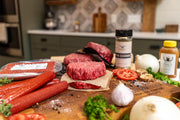
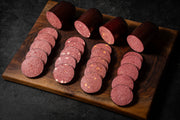
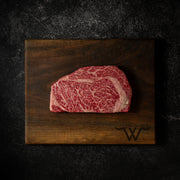

Wagyu beef is expensive because of its genetics, intensive raising process, and the extraordinary fat marbling no other breed can match. Knowing why wagyu beef is pricey helps you see exactly what you're paying for.
Fortune Business Insights projects the global Wagyu beef market will climb from $28.66 billion in 2026 to $49.06 billion by 2034. This kind of growth doesn't happen by accident and raises the question: why is Wagyu beef so expensive? Wagyu commands premium prices because everything about its production is deliberate.
I have spent years working with Wagyu cattle on the Flint Hills of Kansas. I know firsthand what separates authentic Wagyu from everything else on the market.
The price reflects genetics that took centuries to develop, a raising process that takes years to execute, and a finished product that delivers flavor and nutrition conventional beef simply cannot. At Booth Creek Wagyu, we raise Fullblood Wagyu and American Wagyu on the native tallgrass prairie of the Flint Hills of Kansas.
What Makes Wagyu Beef Different from All Other Beef?

Wagyu is a premium grade of beef because of its genetics, fat structure, flavor, and nutritional profile. Here is how the three components make it different:
The Genetics
Wagyu cattle originate from four specific Japanese breeds. These breeds include:
- Japanese Black
- Japanese Brown
- Japanese Polled
- Japanese Shorthorn
Japanese Black accounts for the vast majority of Wagyu production worldwide. These cattle carry a genetic predisposition to produce intramuscular fat at levels no other breed can replicate.
Fullblood Wagyu cattle carry 100% Wagyu genetics with no crossbreeding. With a crossbreed, the marbling potential of the animal reduces.
Nutritionally Distinct Fat Profile
Wagyu beef contains higher levels of oleic acid than conventional beef. Oleic acid is the same heart-healthy monounsaturated fat found in olive oil.
A study at the NIH found Wagyu entrecote had more unsaturated fats (55.8% vs. 53.0%) and more oleic acid (47.5% vs. 43.3%) than regular beef. This nutritional profile gives your meat a soft, buttery feel at room temperature.
A Different Flavor Category
The marbling in Wagyu beef doesn't just look impressive. It melts at a lower temperature than standard beef fat, which is closer to body temperature.
This fat bastes the meat from the inside as it cooks. The result is a depth of flavor, richness, and tenderness that no conventional cut can match, regardless of how it's prepared.
Why Is Wagyu Beef So Expensive?
The price of Wagyu reflects a production process that takes years, demands precision, and tolerates no shortcuts. You'll pay more for Wagyu beef for the following reasons:
Breeding Takes Years and Costs More
Raising a Fullblood Wagyu animal to market weight takes 26 to 30 months. It's unlike conventional beef cattle, which reach market weight in 15 to 18 months.
This additional time represents an additional year or more of feed, land, labor, and veterinary care for every single animal. The breeding program that produces Fullblood genetics also needs a significant long-term investment in sires and dam lines with documented pedigrees and verified genetics.
The Feed Program is Intensive and Expensive
Wagyu beef cost reflects a feeding program designed specifically to develop intramuscular fat rather than external fat. Wagyu cattle consume a high-energy, grain-based diet for an extended finishing period, often 300 to 500 days.
It's longer than the 90-to-120-day grain-finishing period for conventional beef. The feed volume and duration required to develop authentic Wagyu marbling adds a lot of cost to every animal raised.
The Yield Per Animal is Lower
Wagyu cattle are smaller-framed than conventional beef breeds. They produce fewer total pounds of beef per animal than breeds like Angus or Hereford.
This smaller yield spreads the production cost across fewer pounds of finished product. As a result, the per-pound price is higher even before premium margins are applied.
How Does Beef Marbling Impact the Price and Flavor of Wagyu?
Beef marbling is the single most important factor in Wagyu pricing. However, it's the least understood by buyers encountering authentic Wagyu for the first time.
Wagyu marbling is most commonly measured on the Beef Marbling Standard (BMS) scale, which runs from 1 to 12. Authentic Wagyu commonly scores BMS 8 through BMS 12. This fine marbling distributes fat evenly through the muscle tissue rather than concentrating it on the exterior.
We wanted to remove the ambiguity of traditional grading methods. We grade all of our cattle using the digital marbling percentage (DMP) to tell us exactly how much marbling is there. We then assign a grade (BC10-BC40) based off it's DMP, so you can dial into Wagyu, just like you would wine or bourbon.
When you cook a well-marbled Wagyu cut, that internal fat melts and saturates the meat from within. The result is a tenderness and richness that no amount of buttering or basting can replicate on the outside of a conventional cut. High marbling scores don't happen quickly.
They require the right genetics combined with a proper extended feeding program over a long finishing period. Authentic, high-marbling Wagyu cannot be rushed. The time needed often affects the premium beef pricing you see on shelves.

What Are the Exclusive Wagyu Breeds in America?
Exclusive beef breeds are at the heart of the Wagyu price premium. Not all cattle labeled "Wagyu" are the same. Here is what you need to know about Wagyu breed categories:
- Fullblood Wagyu: 100% Wagyu genetics
- Purebred Wagyu: Contains at least 93.75% (15/16) Wagyu genetics
- F1 Wagyu: First-generation cross between Fullblood Wagyu and another breed, containing 50% Wagyu genetics, commonly known as American Wagyu.
Breed category matters because Wagyu ancestry influences marbling potential and eating qualities. Fullblood Wagyu preserves 100% Wagyu ancestry, but actual marbling and quality also depend on the animal’s individual genetics and how it is raised. Fullblood status alone does not guarantee superior beef or the highest price.
At Booth Creek Wagyu, we understand that exceptional beef starts with genetics, but it doesn't end there. That's why we focus on intentional breeding, responsible animal care, and carefully managed feeding practices to help our cattle reach their full genetic potential and deliver the exceptional marbling, tenderness, and flavor Wagyu is known for.
Is the Premium Price of Wagyu Beef Worth It?
The question of value is personal, but the answer from the people who know food best is consistent. Premium protein sourcing remains one of the top purchasing priorities for fine dining establishments across the United States. Wagyu sits at the top of that list.
We believe the value of authentic Wagyu comes down to the eating experience it delivers, the health profile it carries, and the story behind how it reaches your table. Here is why premium buyers consistently return to Wagyu:
- Versatility for elite menus: Chefs can sear, roast, and serve Wagyu as tartare.
- Unmatched tenderness: Fullblood Wagyu produces cuts so tender they require minimal preparation
- Heart-healthy fat profile: Wagyu offers high monounsaturated fat content and lower cholesterol.
- A premium gifting product: Curated Wagyu boxes have become popular corporate and personal gifts in the premium food market.
The price of authentic Wagyu isn't a barrier for the buyers it was raised for. When you buy Wagyu, you get quality, provenance, and an experience that nothing at a lower price point can replicate.
Frequently Asked Questions
Does Cooking Method Affect Wagyu Beef Differently Than Conventional Beef?
Yes, it does. Wagyu's high intramuscular fat content means it responds to heat differently than conventional beef. Because the fat melts at a lower temperature, Wagyu cuts reach optimal flavor and texture faster than you might expect.
Most Wagyu cuts perform best at medium-rare to medium, which is around 130 to 140 degrees Fahrenheit internal temperature. The great thing about Wagyu is you can overcook and still have a great steak; the marbling makes Wagyu more forgiving than traditional beef. Use high heat, shorter cooking times, and rest the meat after cooking to allow the fat to redistribute.
Can Wagyu Beef Be Frozen Without Losing Quality?
Yes, it can, but only when you freeze it correctly. Authentic Wagyu freezes well because of its high fat content. Fat protects muscle tissue during freezing better than lean meat.
You should use vacuum sealing before freezing to prevent freezer burn and oxidation. Wagyu frozen immediately after butchering and vacuum-sealed will retain its flavor and texture integrity for up to twelve months.
Thaw slowly in the refrigerator over 24 to 48 hours, but if you're short on time you can use a water bath. Use only cold water, hot or warm water can begin to render the marbling.
What is the Difference Between Japanese A5 Wagyu, Fullblood Wagyu and American Wagyu?
All three are Wagyu in terms of genetics. Japanese A5 is graded under Japan's strict five-tier system, with A5 representing the highest possible score across yield, marbling, color, firmness, and fat quality. Fullblood Wagyu carries the same Wagyu genetics but is raised domestically. American Wagyu is Wagyu genetics crossed with a traditional breed, most commonly Angus.
Both the FullBlood Wagyu and American Wagyu we raise at Booth Creek are graded using the DMP and processed under USDA supervision.
Taste the Premium Quality of Wagyu Beef
So, why is wagyu beef so expensive? Knowing this is understanding what genuine quality costs to produce. It takes the right genetics, feeding program, and years of patience to deliver beef that performs at this level.
At Booth Creek Wagyu, we raise Wagyu on the Flint Hills of Kansas, one of the last intact tallgrass prairie ecosystems in the United States. The result is a Wagyu with genuine provenance, heart-healthy unsaturated fat, and lower cholesterol.
Shop our curated boxes and enjoy our tasty Fullblood Wagyu.